The Beauty of the Wrapper: African Fashion On The Global Stage
African fashion is redefining identity and power. From Ankara pants to luxury Adire designs, read about how the wrapper evolved from tradition to global influence.
Introduction
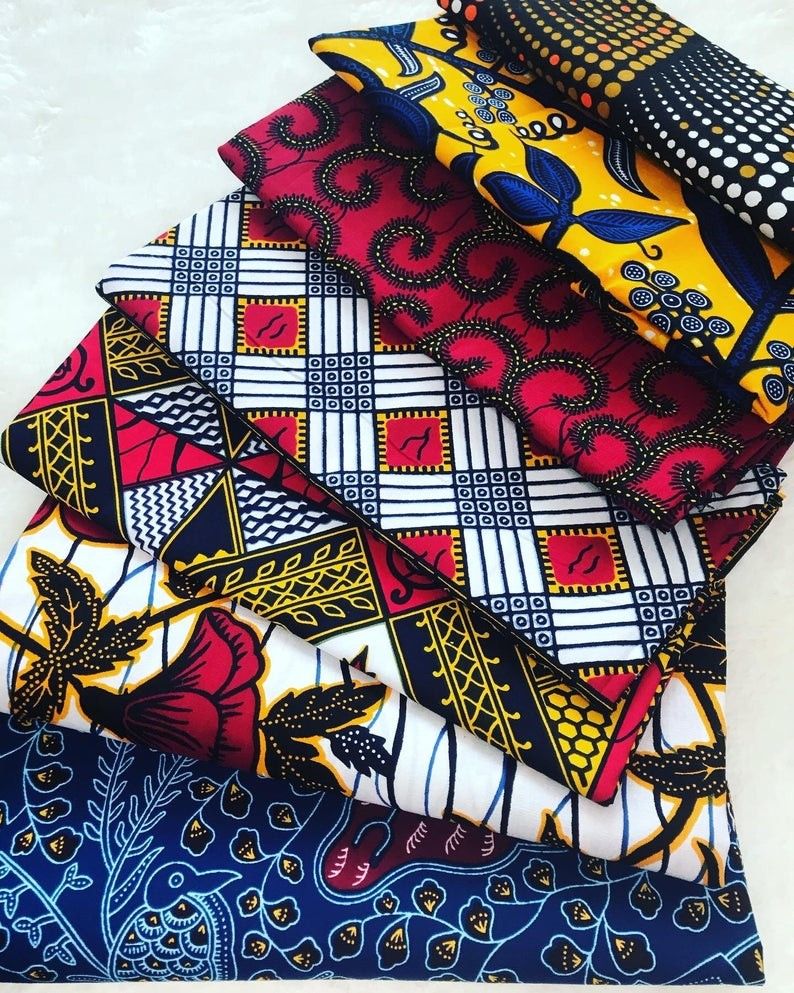
Once upon a time, for many the wrapper was just fabric, folded, tied, and worn by mothers and grandmothers, it was a quiet mark of modesty, culture, and femininity. It was seen as part of clothing but rarely shouted in style. Fast-forward to today, the wrapper is becoming something else entirely: a loud, unapologetic statement of identity, and global power.
Today’s African youth are not just wearing the wrapper; they’re rewriting what it means. No longer confined to Sunday service or village weddings, Ankara, Adire, and Aso Oke have burst onto the global stage, in pants, jackets, corsets, sneakers, and even luxury handbags. Fashion houses and independent designers alike are reframing heritage into haute couture, proving that Africa’s fabric has found its rhythm in the language of power.
A Domestic Symbol to Cultural Renaissance
In the not-so-distant past, the wrapper symbolized domesticity, a woman’s place in the home, her duty, and her dignity. It was functional, even sacred, but rarely seen as fashionable. The global perception of African fabrics often leaned toward “tribal” or “ethnic,” categories that reduced creativity to clichés. But something shifted. The 2000s ushered in a cultural awakening, Nollywood stars, Afrobeats icons, and social media influencers began wearing traditional fabrics with pride. What was once confined to local markets became the new face of African excellence. Designers like Vekee James, Lisa Folawiyo and others have pushed a narrative of what fashion really looked like in the African way and have began to dismantle Western beauty hierarchies by merging bold African prints with global silhouettes. What was considered “native” evolved into “narrative”, a way to tell African stories through color, texture, and tailoring.
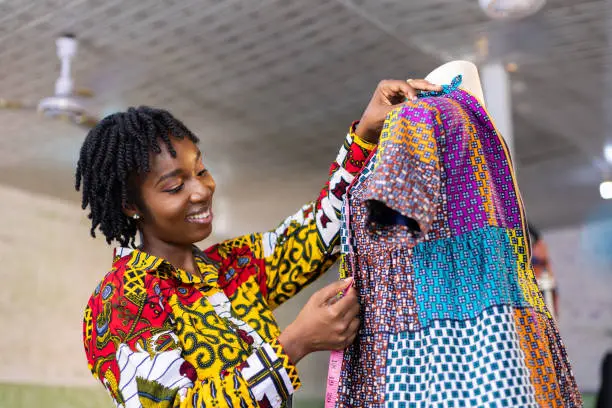
Across Lagos streets, Ankara pants now rival jeans. Adire mini-dresses, reimagined with sequins or mesh overlays, make appearances at brunch spots in Lekki and rooftop parties in Accra. On TikTok, young creators post tutorials on how to wrap the iro in unconventional ways, side-slits, high-waisted, even asymmetrical.
This evolution isn’t accidental; it’s a reclaiming. The youth are not just following trends, they’re shaping a new cultural grammar that honors the past but speaks to the present. Where older generations saw the wrapper as a mark of modesty, Gen Z sees it as a symbol of boldness and independence. The wrapper is no longer a piece of cloth; it’s a manifesto stitched with meaning.
Fashion And Africa
Clothing has always been a symbol of pride and of great cultural significance. Across African history, attire has marked resistance, from women in colonial Nigeria tying wrappers as symbols of protest during the Aba Women’s Riot of 1929, to modern feminist movements reclaiming traditional wear as empowerment.
In today’s context, African fashion has become a quiet revolution. Every Ankara outfit worn on an international runway, every celebrity styled in Adire at a red-carpet event, chips away at centuries of cultural erasure. When a popular artist wears an African print outfit, it’s not just fashion, it’s diplomacy.
These fabrics travel where policies cannot. They tell the world: “We are not just consumers of global culture; we are contributors to it.”
The Global Market and Luxury Branding
African fashion is not just thriving locally, it’s breaking into the global luxury economy. Brands like Orange Culture, IAMISIGO, and Thebe Magugu (South Africa’s first LVMH Prize winner) are redefining what luxury means on their own terms.
International collaborations with platforms like Farfetch and Vogue Business have placed African fashion under the global spotlight. Yet, the question remains: can African designers retain cultural authenticity while scaling commercially?
The danger of cultural commodification is real, where heritage becomes “aesthetic,” stripped of context and mass-produced for foreign markets. However, many designers are now building ethical fashion models that prioritize local artisanship and sustainability, ensuring that the wrapper’s story is told by the people who own it.
The Feminine Power of Fabric
Beyond the aesthetics, the wrapper has always carried a deeply feminine energy. It signifies motherhood, authority, sensuality, and spirituality, all at once. The act of tying a wrapper, for many African women, is a ritual, one that commands grace and confidence.
Today’s designers tap into that essence, fusing heritage with innovation. Vekee James, for instance, has mastered the art of turning cultural textures into red-carpet-ready pieces that celebrate the African body in all its curves and confidence. Each stitch becomes both homage and evolution.
This renaissance shows that fashion is not just about what we wear, but who we are becoming a generation unafraid to redefine beauty and tradition on its own terms.
Beyond Fabric : A Cultural Identity
Social media has become the new runway for African fashion. Instagram feeds and TikTok reels now dictate trends faster than any fashion week. With the fusion of traditional prints with streetwear that is going viral, influencing people to embrace this fashion revolution is not so complex. The result? A global conversation about what it means to be stylishly African in a world obsessed with Western validation. For many young Africans, wearing Ankara or Adire is no longer just cultural pride, it’s digital identity. It says, “I am part of a lineage, but I’m also rewriting it and they can style their way through.”
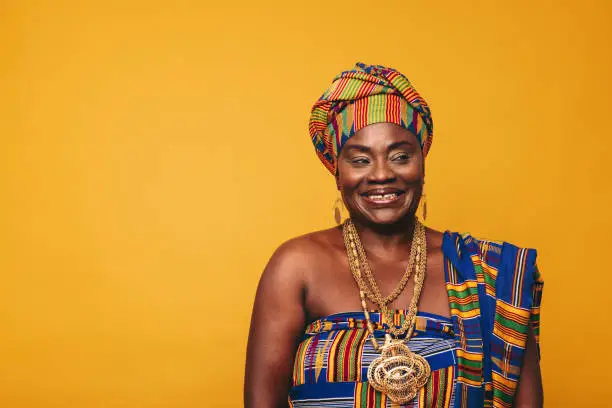

Fashion in Africa has always been more than fabric. It’s about agency, who gets to decide what is beautiful, who gets to tell the story, and who profits from it. As African designers, stylists, and consumers continue to redefine fashion from within, they’re also reclaiming narrative power from a system that once dictated it. The wrapper is now a metaphor for resilience, a fabric that ties together generations, histories, and futures. It has evolved from symbol to statement, from homewear to haute couture, proving that Africa’s most powerful language might just be woven in thread.
Conclusion: Dressing the Future
African fashion is not nostalgia, it’s an everyday feeling to be shared. It is where history, artistry, and identity meet in color and craft. The politics of the wrapper remind us that power doesn’t always roar; sometimes, it flows, it folds, and it wraps beautifully and boldly around a new kind of African story. As the continent’s designers and creatives continue to challenge conventions, one thing is clear: The wrapper like Africa is no longer something to be tied down.