Tanzania rocked: Election violence inquiry reveals organized unrest, President pledges reforms!
A Tanzanian commission investigating the October 2025 post-election violence has recommended national reconciliation, deeper criminal investigations, and a new Constitution by 2028. The report detailed widespread unrest, significant casualties, and property damage, attributing the events to organized riots. President Samia Suluhu Hassan has pledged swift government action to implement these critical findings.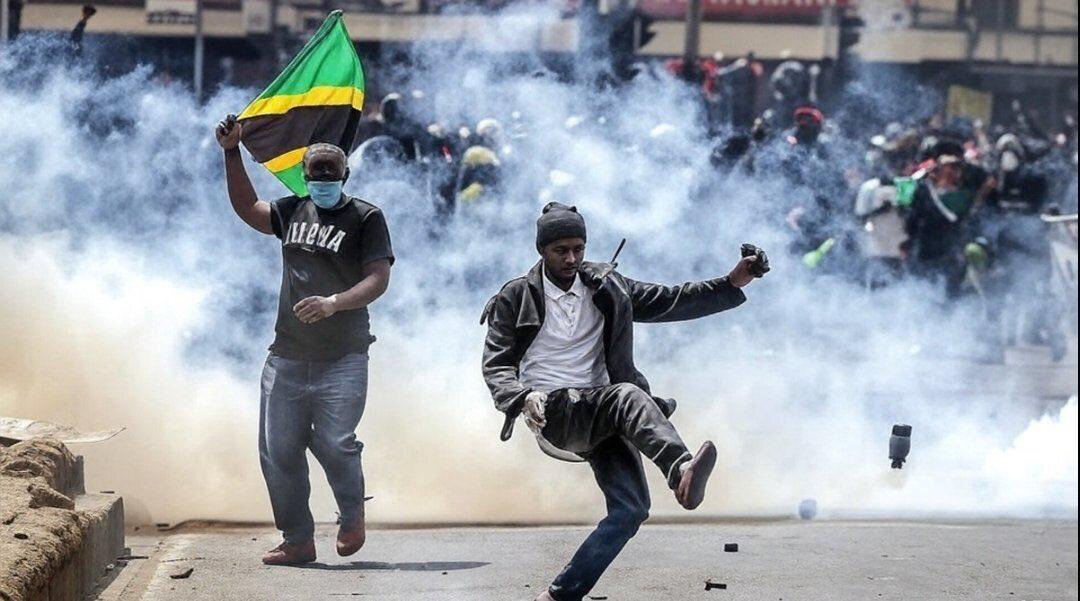
Following the deadly unrest that erupted after Tanzania’s disputed October 2025 general election, a commission was established to investigate reported violence across 14 regions. Protests over alleged irregularities and the exclusion of opposition candidates were met with a violent security crackdown, deepening the country's challenges and triggering nationwide concern over political tensions and governance.
The commission, led by Judge Chande Othman, reviewed 202 incidents and gathered extensive evidence, including 149 affidavits, thousands of questionnaires, SMS messages, WhatsApp communications, still images, and video clips. Scientific analysis confirmed some social media images were authentic, while others were manipulated using artificial intelligence. The inquiry heard testimonies from over 63,000 citizens, victims, bereaved families, and various officials, though some political parties and activists declined to participate.
The commission concluded that the October 2025 events were organized, coordinated, and financed riots aimed at disrupting the general election, rather than peaceful assemblies. It identified both structural causes, such as unresolved political and social grievances, concerns over the electoral system, economic hardship, unemployment, and corruption, alongside immediate triggers like politicians and activists mobilizing supporters with rallying calls such as “No Reform, No Election” and “Samia must go.” The report highlighted that participants, particularly vulnerable youth, were paid between 10,000 and 50,000 Tanzanian shillings, with promises of employment, to take part and amplify the unrest through live-streaming. Operational tactics included roadblocks, arson, coded signals, and the use of motorcycles to spread violence.
The human and economic toll was significant: 518 people died across 11 regions, with Dar es Salaam, Mwanza, Mbeya, and Arusha reporting the highest numbers. The deceased included 21 children and 16 security force members, with most deaths resulting from gunshot wounds. Over 2,700 people were injured, many by gunshots. Total property damage was estimated at Tsh125 billion, with the private sector accounting for Tsh89 billion and government property Tsh36 billion. The commission debunked claims of mass graves in Kondo after scientific investigations. It clarified that while it emphasized evaluating the use of force based on specific circumstances, its mandate was strictly fact-finding and did not include naming or prosecuting individuals responsible for criminal acts.
Among its key recommendations, the commission urged a national reconciliation process to restore unity, involving political, social, economic, and religious stakeholders, extending to local government levels. It proposed establishing a national reconciliation commission supported by a council of elders. Short-term recommendations included free medical treatment for the injured, a national day of mourning, and mental health support for victims. It called for deeper criminal investigations into each incident, including probes into planning, coordination, financing, and tracing missing persons.
A strong emphasis was placed on delivering a new Constitution by 2028 to guide the 2029 local government and 2030 general elections. This would involve forming an expert committee to review the 2014 draft, collect fresh public views from all Tanzanians, and prepare a revised draft for a national referendum, ensuring the process is calm and healing-focused. Further recommendations included stronger government accountability systems, improved public official responsiveness, monitoring units, strict enforcement of leadership ethics, anti-corruption measures, and a fair employment system. In the security sector, it advised strengthening community policing, reinstating neighborhood structures, enhancing border security, and developing a coordinated disaster response system. The commission also proposed forming a national youth council for dialogue and reinstating the national service training program for form six graduates. Overall, these recommendations aim to reinforce peace, justice, sustainable development, genuine reconciliation, and good governance.
Tanzanian President Samia Suluhu Hassan pledged swift government action on the commission's findings, affirming they would guide national reconciliation, accountability, and constitutional reforms. She warned that the violence deepened national challenges and emphasized the fragility of peace, urging Tanzanians to safeguard it against external destabilizing forces. President Samia confirmed immediate implementation of recommendations, including further investigations and the establishment of a reconciliation commission, plans for which predated the October unrest. She also committed to establishing a special criminal investigation mechanism to identify and prosecute those who organized, financed, and executed the violence, covering aspects like looting, child deaths, missing bodies, and abductions. Reforms will target identified weaknesses, and accountability measures will be enforced to restore trust, strengthen institutions, and prevent future instability.