Swipe, Tap, Trap: The Dark Side of Digital Money in Africa
Africa’s mobile wallets and digital lenders promise instant access, but they’re also exposing millions to fraud, hidden data risks, and debt traps.
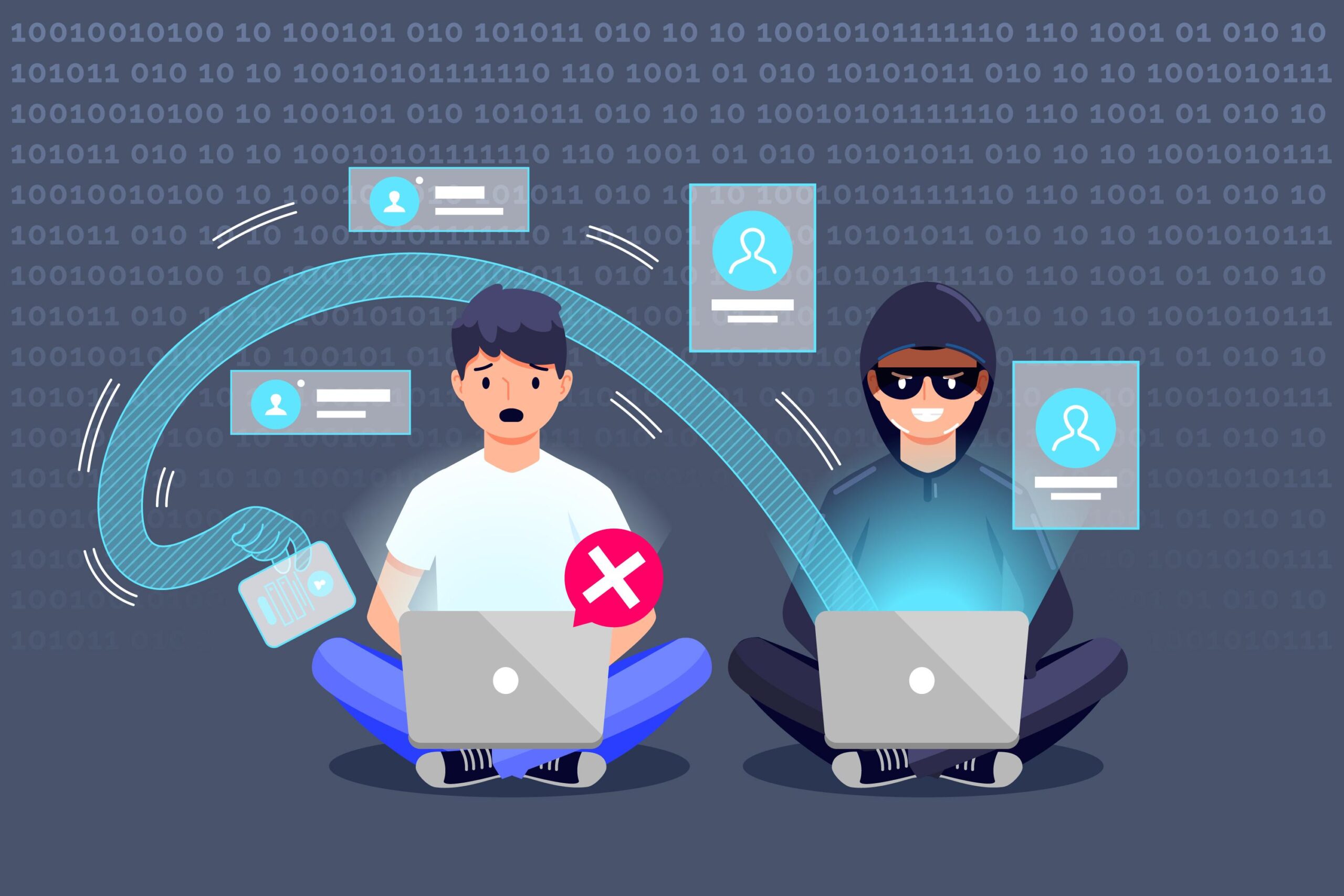
In Africa, digital finance promised a revolution, one of instant payments, microloans in minutes, seamless savings and the empowerment of millions who had been previously excluded from formal banking. Mobile wallets, app-based lenders and fintech platforms opened doors that traditional banks had long kept closed. A small business owner in Lagos could pay suppliers with a tap, a student in Nairobi could receive money from family abroad without standing in line, and a market vendor in Accra could borrow a microloan through the phone. But as the continent embraced digital finance with enthusiasm, the shadows lengthened. The same platforms that offered unprecedented convenience also became vectors for scams, data exploitation and over-crediting. Users, particularly young and financially inexperienced populations, were often the most vulnerable. In the push for financial inclusion, regulatory oversight fell behind, creating openings that fraudsters, predatory lenders and careless data practices were quick to exploit.
Across Nigeria, Kenya, Ghana, and beyond, the digital finance ecosystem is now at a crossroads. Its potential to transform lives is enormous, but so are the risks that come with insufficiencies in regulation, consumer literacy and protection.
What happens when the speed, convenience and inclusivity of digital finance collide with human and system vulnerabilities?
Scam Economy in Digital Finance
Digital finance in Africa has exploded over the years, and Nigeria alone boasts millions of active mobile money users and a rapidly growing fintech sector. Yet with growth came fraud. According to consolidated estimates from the Central Bank of Nigeria (CBN), the Nigeria InterBank Settlement System (NIBSS) and industry reports, Nigeria may have lost over ₦320 billion to financial fraud between January 2023 and April 2025. More than 92 percent of these cases were linked to digital transactions, mobile money platforms, or fintech applications.
Fraud manifests in multiple forms. Fake websites and phishing apps mimic legitimate wallets. SIM-swap attacks allow fraudsters to intercept two-factor authentication codes. Agents in remote areas manipulate transactions for personal gain. The reliance on large agent networks which are necessary to reach Africa’s underserved populations has brought about extensive reach paired with heightened vulnerability.
These scams are not minor inconveniences, they have tangible consequences. A wallet drained, a credit line exploited or a personal identity stolen can devastate users. But the larger effect is systemic. Trust erodes, adoption slows and the very promise of digital finance which is financial inclusion, is threatened. The scam economy is further complicated by social engineering tactics that exploit trust and community networks. Fraudsters often contact users posing as bank officials or fintech agents. They exploit local languages, cultural norms and social trust to extract sensitive data. The consequences extend beyond financial loss, others are psychological stress, social humiliation and damaged reputation.
Data: Harvesting, Privacy, and Risk
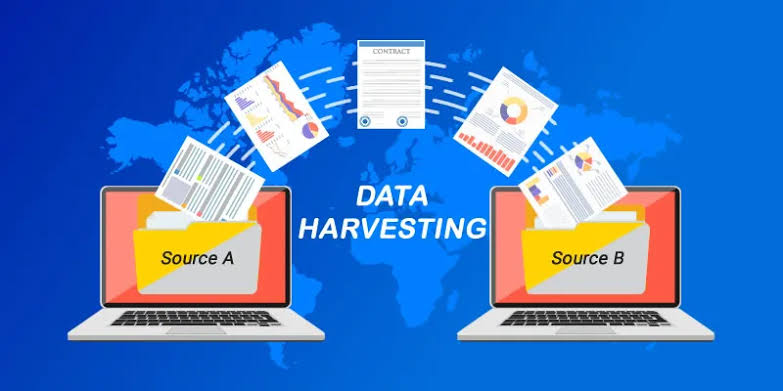
Fintechs analyze transaction histories, app usage patterns, device fingerprints and even social networks to assess creditworthiness, tailor product offerings and detect fraud. Alternative data allows fintechs to serve populations that are excluded from formal banking, such as informal sector workers, gig economy participants, and students.
Yet this data-goldmine carries significant risks. Many apps require permissions that grant access to contacts, SMS messages, location and even call logs. Oftentimes, users consent without fully understanding the implications. Sadly, African regulatory frameworks are quite inconsistent. While South Africa’s Protection of Personal Information Act (POPIA) and Nigeria’s Nigeria Data Protection Regulation (NDPR) provide some protections, enforcement remains weak. Cross-border data flows complicate matters further, and many fintechs operate in a legal gray area. Users’ personal information can be stored on servers outside their countries, often without their knowledge, increasing exposure to breaches or misuse. In turn, stolen or mismanaged data enables scammers to impersonate users, apply for loans and drain accounts. Without robust data privacy laws and enforcement, these risks persist, threatening both individual users and trust in the broader system.
Over-Crediting and Digital Lending Risks
Digital lending has been one of Africa’s most celebrated fintech innovations. Apps promise instant cash, no collateral and approval in minutes. However, the very speed and convenience that make digital lending appealing also creates risk. Many fintechs rely heavily on alternative data and automated algorithms, sometimes approving loans far beyond users’ repayment capacities. The consequences are significant. Borrowers can accumulate multiple loans simultaneously, often from different platforms, to repay earlier debts. Automatic debit systems can overdraw accounts and social pressure tactics, including contacting friends and family, amplify the stress. Over-crediting is particularly dangerous for youth and low-income users, who may lack financial literacy or stable incomes. The combination of high interest, unclear terms and aggressive collection practices can push vulnerable populations into cycles of indebtedness, undermining the financial inclusion goals these digital platforms initially sought to achieve.
How Scam, Data, and Credit Collide
The problems of fraud, data misuse, and over-crediting are deeply intertwined. A scam that harvests personal data enables unauthorized loan approvals, which in turn leads to over-crediting and financial strain. Poor data protection can allow multiple digital identities to be created fraudulently, distorting credit models and penalizing legitimate users. This collision results in dire consequences, users lose trust in apps, financial literacy efforts are undermined and fintechs struggle to maintain credibility. In Kenya, cases of fraud-driven over-crediting have prompted government intervention and stricter vetting of digital lending platforms. In Nigeria, the Central Bank has implemented tighter monitoring rules for financial institutions lenders, but enforcement remains uneven. The intersection of these risks demonstrates that digital financial inclusion is not just about access. It is about safe access, where users are protected against systemic vulnerabilities, predatory practices and technological exploitation. Without this, the very platforms meant to empower users may instead compromise their financial health.

Building a Safer Digital Finance Ecosystem
Addressing the risks in Africa’s digital finance ecosystem requires a multi-layered approach that involves regulators, industry players and users alike. At the regulatory level, harmonized data privacy laws, strict licensing of lending applications, and cross-border collaboration between fintech authorities are essential.
Industry responsibility is equally crucial. Fintechs and banks must pair technological innovation with accountability. This includes implementing real-time fraud detection systems, employing multi-factor authentication beyond simple SMS verification, providing transparent loan terms and ensuring the ethical use of alternative data.
Consumer literacy should also be prioritized as users need accessible education on the risks of digital finance, guidance on protecting their personal data, and a clear understanding of credit terms. Also, responsible lending practices must be at the forefront of any solution. Digital credit platforms should adopt robust affordability checks, maintain transparent repayment schedules and employ privacy-respecting algorithms. Finally, technological safeguards play a critical role in protecting users. Artificial intelligence and machine learning can enhance fraud detection, monitor patterns of over-crediting and secure sensitive data.
The Price of Convenience
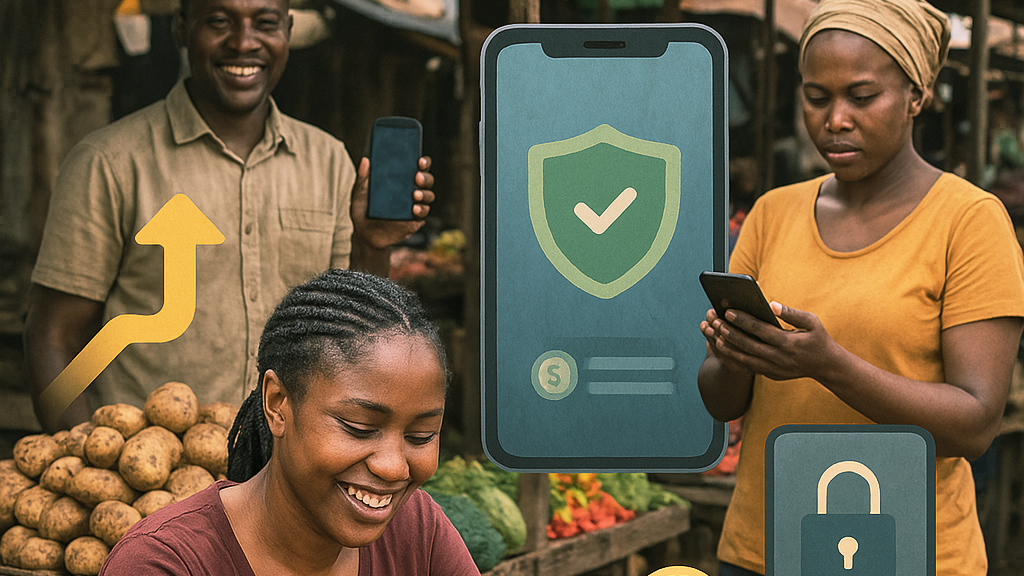
The dark side of digital finance reminds us that technology alone does not guarantee protection. These issues springing forth create vulnerability for the very users digital finance seeks to empower. Africa’s digital finance future depends on balance. It is not enough to provide instant loans or frictionless payments, platforms must combine innovation with responsibility. Safety and security measures must be put in place. Without these, the promise of digital finance risks becoming a cautionary tale rather than a success.
The lesson is clear: convenience without safeguards is a double-edged sword. Digital finance can continue to transform lives, but only if its shadows are acknowledged and addressed. The next chapter of Africa’s financial revolution depends on it.