WAFCON 2026 Fever: African Giants Battle for Continental Supremacy
The TotalEnergies CAF Women's Africa Cup of Nations Morocco 2026 kicks off with high stakes, as hosts Morocco aim for their maiden title. Joining them are emerging powerhouses like Senegal and Algeria, both building on recent quarter-final successes, alongside a determined Kenyan side making its return after a decade, all set to showcase the continent's growing women's football talent.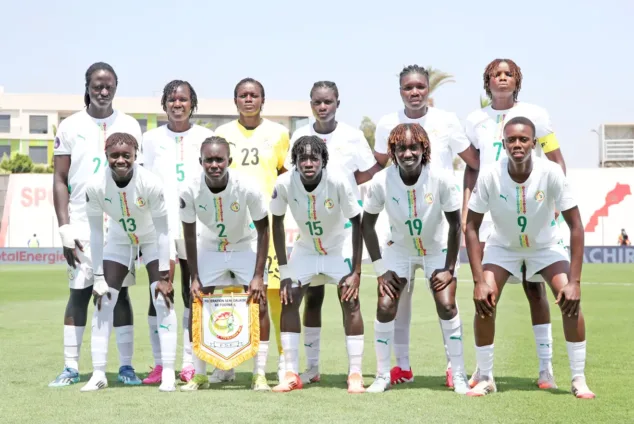
The TotalEnergies CAF Women's Africa Cup of Nations Morocco 2026 is set to be a highly anticipated tournament, bringing together some of the continent's most dynamic women's national teams. With hosts Morocco aiming for their maiden title, and consistent performers like Senegal and Algeria building on recent successes, alongside a determined Kenya making its return, the competition promises to be a showcase of evolving African women's football.
Morocco: The Hosts with a Golden Ambition
As the proud hosts, Morocco's Atlas Lionesses enter the tournament with a singular objective: to turn their back-to-back silver medals from 2022 and 2024 into gold. Under the leadership of Spanish tactician Jorge Vilda, appointed in October 2023, the team has embraced a structured, possession-based style with high pressing and quick attacking transitions. Vilda, renowned for his international pedigree, has successfully integrated experienced leaders with new talent, fostering a winning culture. The Atlas Lionesses have enjoyed remarkable progress, reaching two consecutive AFCON finals and achieving a historic Round of 16 qualification at their maiden FIFA Women's World Cup in 2023. At 35, captain Ghizlane Chebbak remains the influential heartbeat of the team, admired for her exceptional vision, technical quality, and leadership, dictating matches from midfield and inspiring the next generation. Their journey to this point has been driven by significant investment and long-term planning by the Royal Moroccan Football Federation (FRMF), establishing them as one of Africa's leading forces. Morocco will kick off their campaign on July 26 against Kenya in Group A.
Senegal: Emerging Consistency and Semi-Final Aspirations
Senegal, nicknamed the Lionesses of Teranga, arrive in Morocco as one of the continent's most consistent emerging sides, having reached the quarter-finals in the last two editions (2022, 2024). Their ambition for Morocco 2026 is clear: to secure a place in the semi-finals for the first time. Head coach Mame Moussa Cissé, who has overseen the team's transformation since 2019, emphasizes tactical discipline, strong organization, defensive solidity, and collective commitment. Their road to the tournament saw them overcome Côte d'Ivoire 5-4 on penalties after two goalless draws. The 19-year-old goalkeeper Adji Ndiaye is a key player to watch, recognized as one of Africa's brightest young talents, having been shortlisted for the CAF Awards 2025 after an outstanding qualifying campaign where she conceded no goals. Captain Ndeye Awa Diakhaté, a playmaker, also serves as an ambassador for the Dakar 2026 Youth Olympic Games, highlighting the team's growing profile. The continuity within the squad, developed over several years, is seen as one of Senegal's greatest strengths, providing understanding and consistency.
Algeria: The Rising Dark Horses
Algeria's Fennecs enter WAFCON 2026 as promising dark horses, buoyed by an impressive qualification campaign that included a memorable victory over continental heavyweights Cameroon. They aim to build on their historic quarter-final appearance in 2024, which marked a breakthrough after years of struggling to progress beyond the group stage. Led by Farid Benstiti, a highly respected figure in women's football with experience managing European giants like Olympique Lyonnais and Paris Saint-Germain, Algeria has developed tactical discipline and technical cohesion. Benstiti has effectively blended seasoned internationals with a talented new generation, making the team competitive against Africa's strongest nations. Their qualification included a dominant 8-0 aggregate win over South Sudan and a significant 3-1 aggregate triumph over Cameroon, demonstrating remarkable progress. Midfielder Inès Boutaleb is central to Algeria's strategy, known for her tactical intelligence, vision, technical quality, and ability to dictate tempo. Her international experience makes her a vital leader in high-pressure moments. With a balanced squad and growing confidence, Algeria seeks to continue its rise among the continent's elite.
Kenya: A Decennial Return and Group A Challenge
Kenya's Harambee Starlets make their return to the continental stage after a ten-year absence, their only previous appearance being in 2016 where they exited at the group stage. Guided by head coach Beldine Odemba, who has rebuilt confidence within the national team, Kenya demonstrated a disciplined tactical approach built around defensive organization, teamwork, and quick transitions during their qualification campaign. Odemba is notably one of the few local female coaches to lead a national team at the tournament. Their road to Morocco 2026 involved edging Tunisia 1-0 on aggregate before a strong performance against The Gambia, securing a 4-1 aggregate victory with captain Mwanahalima Adam Jereko scoring the decisive goal in the return leg. Jereko, an experienced forward, will be crucial with her pace, creativity, and leadership. Group A presents a significant challenge for Kenya, as they face hosts Morocco, Algeria, and Senegal. While success will not be measured solely by results, the Harambee Starlets aim to compete consistently against formidable opponents and further establish themselves on the continental stage, reflecting the continued growth of women's football in the CECAFA region.
The TotalEnergies CAF Women's Africa Cup of Nations Morocco 2026 is poised to be an enthralling tournament, showcasing the remarkable talent, strategic development, and growing stature of women's football across Africa.