Subsidy Removal Saved the Nigerian Budget, But Did It Save Nigerians?
Nigeria’s fuel subsidy removal improved government finances and boosted revenue, but rising living costs continue to affect households. Has the reform strengthened the economy without improving daily life?
When Bola Ahmed Tinubu announced the removal of fuel subsidy in May 2023, the message was direct and the effects of the announcements were felt immediately as pump prices skyrocketed.
Nigeria, according to the president, could no longer afford to spend billions propping up petrol prices. The funds, the government argued, would be redirected toward infrastructure, social programs, and long-term economic stability.
On paper, the decision made fiscal sense and this wasn't debatable.
For years, fuel subsidies consumed a large portion of Nigeria’s revenue. At times, the government spent more on subsidizing petrol than on education, healthcare, and infrastructure combined.
It was in this context that the removal of subsidy was framed as a necessary reset, which was said to be going to be painful at first, but beneficial over time.
Nearly three years later, the numbers suggest improvement. Government revenues increased, budget deficits narrowed and state allocations have increased following the removal.
International observers, including the International Monetary Fund and the World Bank, pointed to the reform as a step toward fiscal discipline. Yet outside spreadsheets and economic briefings, many Nigerians tell a different story.
The Budget May Be Healthier, But Life Seems To Be Harder
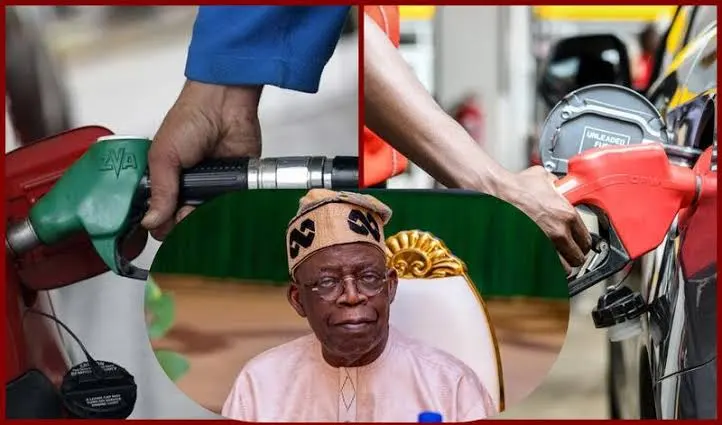
Fuel subsidy removal triggered an immediate rise in petrol prices after the announcement. Transport costs surged and food prices increased without warning. Within months, the cost of living shifted sharply upward.
For the average Nigerian, the reform did not feel like a structural adjustment. It felt like a sudden increase in everyday expenses with no plans in places to cushion the aftermath of events.
The effect of the removal was felt across different businesses and various sectors. Small businesses, already operating on thin margins, continued struggling with higher operating costs. Salaries, meanwhile, remained largely unchanged.
This disconnect created a familiar tension: economic growth figures began improving, but lived experiences did not.
Nigeria’s economy has recorded periods of growth since the subsidy removal. Foreign exchange reforms followed. Investor confidence improved in certain sectors. Government revenue expanded, giving states more funds for development projects.
Still, many Nigerians ask a simple question: where is the relief and infrastructure?
Economic growth often takes time to translate into household improvement. But time feels longer when daily costs keep rising. Inflation has remained high and household purchasing power has weakened.
The lived reality remains difficult, even as macroeconomic indicators suggest progress of the nation's economy.
Is There a Positive Side That Nigerians Are Not Yet Seeing?
Despite the hardship, some analysts argue that subsidy removal may still benefit Nigerians in ways that are not immediately visible.
Over the course of the past three years, government revenue has increased. Roads, rail, and energy projects require funding, and subsidy removal created fiscal space for that.
If the allocation of government revenue is executed properly, these investments could reduce transportation costs and improve productivity over time.
Also, subsidy removal reduced fuel smuggling. When petrol was heavily subsidized, Nigeria effectively financed fuel consumption in neighboring countries.

With the prices being closer to market rates even though it's on the high side as against what Nigerians are used to, that incentive has declined. The government now retains more value domestically.
Another positive side is that state governments now receive higher allocations from federal revenue. These interventions vary in effectiveness, but they reflect increased fiscal capacity.
There is also a longer-term economic argument. Subsidies often distort markets. Removing them encourages private investment in refining, distribution, and energy infrastructure.
Nigeria has already seen developments in domestic refining, which could stabilize fuel supply over time.
Still, these benefits feel distant to many households. The hardship is immediate but the benefits remain gradual.
This creates a delicate balance. Reform without visible relief risks public frustration. But reversing the policy risks returning to unsustainable spending.
Nigeria now sits in that uncomfortable middle. Subsidy removal may have strengthened the government’s budget. It may also create opportunities for long-term growth.
Yet for millions of Nigerians facing rising costs, the question remains unresolved.
Has subsidy removal saved the Nigerian budget? Possibly. Has it saved Nigerians? That answer can only be answered by a Nigerian.