Space Tourism: Who Benefits from the Final Frontier?
Private space tourism is no longer science fiction, but who truly benefits from these costly flights? Learn the economic opportunities, social implications, and environmental costs shaping humanity’s newest frontier.
The idea of ordinary people floating above the Earth, gazing down at the blue oceans and cloud-streaked continents, has long been a dream of science fiction. Today, it is edging closer to reality. Space tourism is no longer confined to government astronauts and billionaires; private companies are now offering the chance for paying passengers to experience orbital flights, suborbital jumps, and near-space journeys. Yet as excitement builds, so do questions: Who truly benefits from space tourism? Is it a boon for society at large, or an exclusive venture with hidden costs?
The Billionaire-Driven Boom
The most visible drivers of the space tourism industry are the ultra-wealthy. Companies like Blue Origin, SpaceX, and Virgin Galactic have made headlines with ticket prices ranging from $250,000 to $55 million, depending on the type of flight.
Critics argue that these ventures primarily serve billionaires seeking novelty or prestige. Jeff Bezos, Richard Branson, and Elon Musk have publicly championed their companies as gateways to a future where space is accessible to all. Yet, in practice, only a tiny fraction of humanity can afford the price of a ticket. Meanwhile, the spectacle of these launches draws global attention, offering marketing value for their companies and elevating personal brands of the founders themselves.
For the ultra-wealthy, the benefits are immediate: status, exclusivity, and the opportunity to participate in an emerging market that promises enormous returns. But does the average person gain anything from this cosmic tourism?
Economic Implications Beyond the Elite: Proponents of space tourism argue that the industry could create jobs, stimulate technological innovation, and generate revenue. Engineers, scientists, support staff, and logistics personnel are already benefiting from employment opportunities created by private space companies.
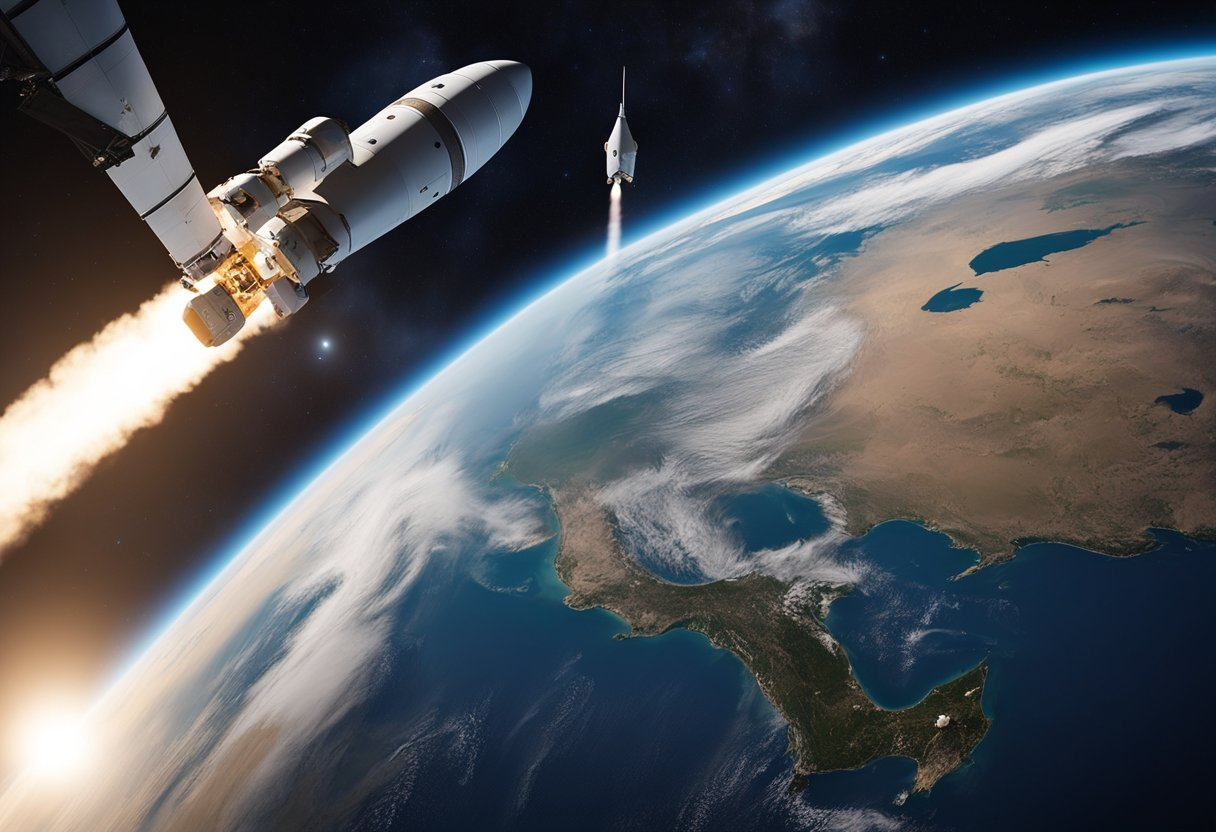
The ripple effects extend to materials science, aerospace engineering, and manufacturing, as innovations developed for commercial flights trickle down into other industries. Lightweight materials, propulsion systems, and sustainable fuels designed for space tourism could improve aviation, transportation, and even renewable energy solutions.
However, skeptics point out that the economic benefits are unevenly distributed. While high-tech sectors and launch-site regions may see growth, the cost of a single seat in space far exceeds what is affordable to the majority of the population. As such, the financial upside is concentrated in a narrow segment of society. Moreover, government subsidies and regulatory support often tilt the playing field, effectively using public resources to support private ventures.
Environmental Costs and Carbon Footprints
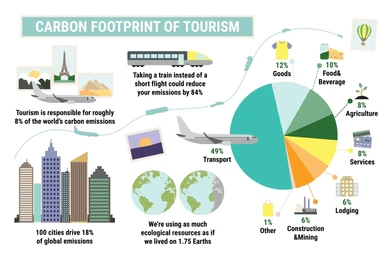
Another layer of scrutiny involves environmental impact. Rocket launches release greenhouse gases directly into the upper atmosphere, where they can exacerbate climate change in ways that ground-level emissions cannot. According to recent research, a single rocket launch can emit as much carbon as hundreds of transatlantic flights.
As private companies plan more frequent launches, critics warn that the environmental footprint could grow significantly. While some companies are experimenting with reusable rockets and alternative fuels, the broader environmental cost remains substantial. It raises ethical questions: Should the privilege of a fleeting trip to the edge of space outweigh the environmental consequences felt on Earth by billions who cannot afford it?
Now Social Perspectives: Inspiration or Inequality? Space tourism also carries symbolic weight. Advocates claim it inspires generations, sparking interest in STEM fields and encouraging public imagination about space exploration. Seeing private individuals take flight may motivate students to pursue careers in science, engineering, and technology.
Yet, the social impact is not evenly distributed. The industry may amplify perceptions of inequality, creating a spectacle that is exciting yet unattainable for most. Children in developing countries, for instance, might feel inspired by the idea of space travel, but the tangible benefits like education, access to training, and career pathways, are often inaccessible.
Furthermore, some sociologists argue that space tourism risks commercializing humanity’s final frontier, turning exploration into entertainment for the privileged rather than a shared human achievement. The line between public inspiration and private luxury becomes blurred.
Potential Benefits to Science and Technology: Despite the critiques, space tourism could have indirect benefits for science. Frequent flights may drive innovation in safety, propulsion, and materials science. Experiments on microgravity and orbital platforms could accelerate research in medicine, materials engineering, and environmental monitoring.

Companies like SpaceX already run commercial payloads alongside passenger flights, meaning that tourism could double as research opportunities. In theory, profits from high-priced tickets could fund scientific research that might otherwise struggle for financing.
Still, the question remains: will these benefits trickle down to society at large, or remain concentrated in a narrow ecosystem of companies, governments, and research institutions?
Who Really Benefits?
Breaking it down, we see three categories of beneficiaries:
The Ultra-Wealthy – Immediate access to prestige, exclusive experiences, and potential financial returns.
Science and Industry – Opportunities for technological advancement, research funding, and specialized employment.
The Broader Public – Mostly intangible benefits: inspiration, STEM engagement, and the psychological thrill of knowing humanity is expanding its reach.
Conversely, the broader society bears indirect costs, environmental impact, public subsidies, and the ethical dilemma of space becoming a luxury rather than a shared domain.
Looking ahead, space tourism is still in its infancy. Ticket prices may drop over the next decade as technology matures and commercial viability improves. The introduction of smaller, more affordable flights could broaden access, but the timeline remains uncertain.
Policy and regulation will play a crucial role. Governments must balance innovation with responsibility, ensuring that environmental protections, equitable economic development, and public access to space science are prioritized. Otherwise, space tourism risks becoming a gilded playground for the few, with little benefit for the many.
Space tourism represents one of the most fascinating intersections of ambition, technology, and human desire. It has the potential to inspire, create jobs, and advance science. Yet, it also highlights glaring inequalities and environmental costs. In weighing its promise against its pitfalls, society must ask hard questions: Who should have access to space? Who bears the cost of this luxury? And how can the benefits reach beyond the elite few to truly inspire and advance humanity?
As the private space industry grows, these questions will only become more urgent. Space is vast, but opportunities remain finite, at least for now. Understanding who really benefits helps ground the conversation in reality, ensuring that exploration does not leave the majority behind.