South Africa Wants Your SIM Card to Become Part of Your Digital Identity. Will This Be A Smart Move?
Your SIM card could soon become much more than a way to make calls. South Africa is planning a major change that could reshape how millions prove their identity.
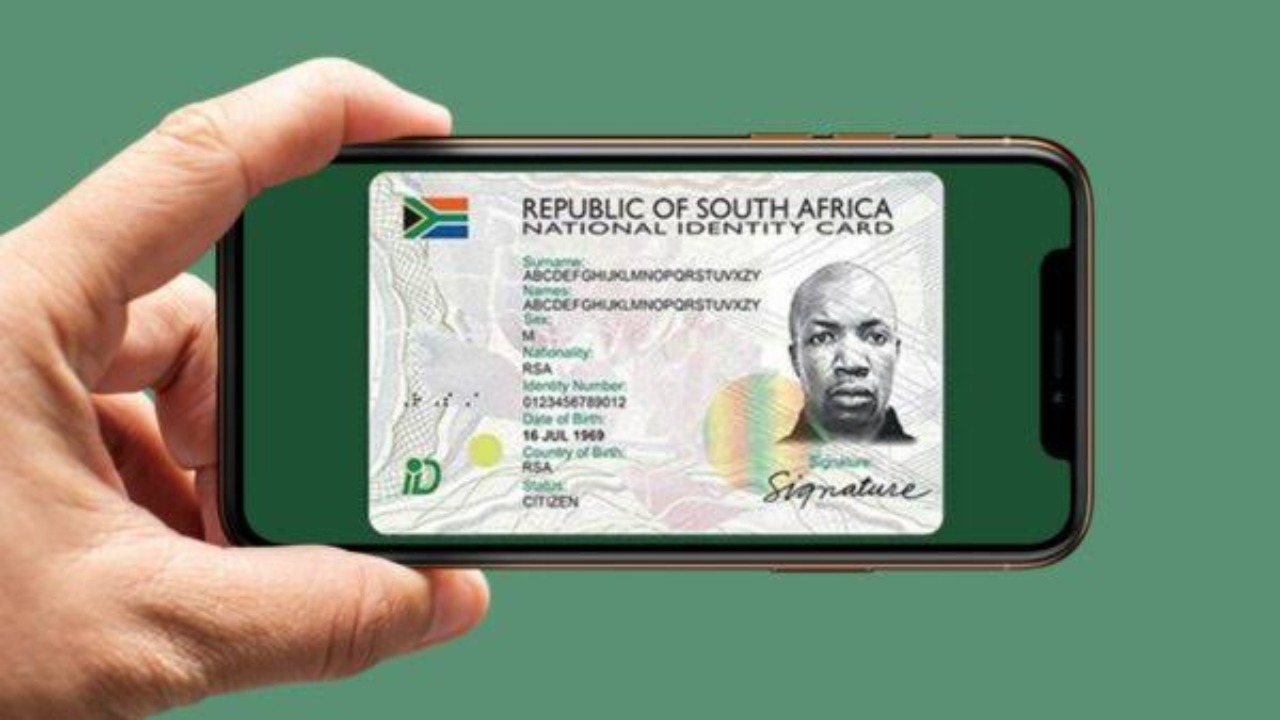
Buying a SIM card in South Africa could soon involve much more than showing an ID at the counter.
The government is preparing the country's biggest overhaul of SIM registration since the Regulation of Interception of Communications and Provision of Communication-Related Information Act (RICA) made registration compulsory nearly 20 years ago.
This time, officials want every SIM card to be linked to a person's identity in real time, using the Department of Home Affairs database.
If the plan goes ahead, a registered SIM card won't simply prove you own a phone number. It could become one of the country's most trusted digital identity credentials, used alongside the government's broader digital ID programme.
Why South Africa Is Tightening SIM Registration
The push for tougher verification gained momentum after an urgent meeting in March 2026, where Justice and Constitutional Development Minister Mmamoloko Kubayi met with telecom operators, regulators and law enforcement agencies to address weaknesses in the current registration system.
According to the Department of Justice, improperly registered SIM cards have repeatedly surfaced in investigations involving banking fraud, cybercrime, money laundering, kidnappings, contract killings and cash-in-transit robberies.
Officials also identified a loophole in Section 40 of RICA, which has allowed criminals to register large numbers of SIM cards using fake identities.
That loophole has made it far more difficult for investigators to trace phone numbers back to the people actually using them, particularly in cases involving SIM cards issued to foreign nationals.
The government has already begun tightening enforcement.
Since July 1, 2026, authorities have stepped up enforcement of existing RICA penalties, which include fines of up to R5 million (about $303,000) or prison sentences of up to 10 years for non-compliance.
Police, prosecutors, and other enforcement agencies are now working together to ensure those penalties are actually applied.
Minister Kubayi made the government's position clear: the laws already exist. The focus now is on enforcing them properly.
The New System Would Verify Every SIM in Real Time
The proposed reforms would fundamentally change how South Africans register SIM cards.
Today, registration usually involves presenting an identity document when purchasing a SIM.
Latest Tech News
Decode Africa's Digital Transformation
From Startups to Fintech Hubs - We Cover It All.
Under the proposed framework, that process would happen very differently.
Instead of relying on a one-time document check, mobile operators would verify every customer's identity directly against the Department of Home Affairs database in real time, similar to the identity checks banks already perform before opening new accounts.
That means someone presenting a fake or stolen identity document would find it much harder to activate a SIM card successfully.
The framework has been developed jointly by mobile operators and the Department of Justice and Constitutional Development, with the Association of Communications and Technology (ACT) coordinating discussions on behalf of the telecom industry.
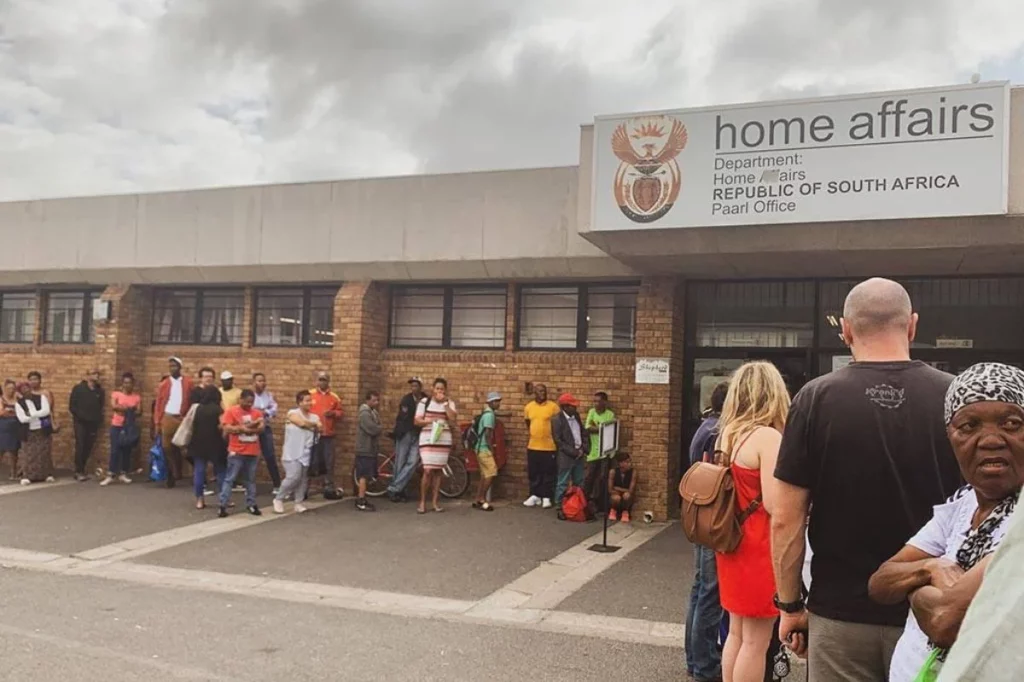
Home Affairs Minister Leon Schreiberhas confirmed that his department already has the technical capability to support real-time identity verification, removing one of the biggest practical obstacles to implementing the system.

Because competing telecom companies have been working together on a shared verification standard, ACT also involved South Africa's Competition Commission throughout the discussions to ensure the process wouldn't violate competition laws.
According to ACT, the commission indicated that the proposed framework was unlikely to raise competition concerns as long as appropriate safeguards remained in place.
To reinforce transparency, meetings were conducted with a competition lawyer present, and formal records were kept throughout the negotiations.
The proposed rules would apply across the entire SIM distribution chain.
Anyone selling, distributing, or activating SIM cards on behalf of participating mobile operators would be required to follow the enhanced identity verification process.
Part of a Much Bigger Digital Identity Plan
The SIM reforms are only one piece of a broader transformation taking place inside South Africa's digital identity system.
Earlier this year, the government released draft regulations for a national digital ID programme that would allow citizens to verify their identity digitally while still keeping their physical identity documents.
The proposed SIM verification system fits neatly into that vision.
Rather than banks, telecom companies, and government agencies each relying on separate identity checks, they could all verify customers using the same trusted Home Affairs database.
That creates a stronger and more consistent identity infrastructure while reducing opportunities for fraudsters to exploit gaps between different verification systems.
Latest Tech News
Decode Africa's Digital Transformation
From Startups to Fintech Hubs - We Cover It All.
The logic becomes clearer when you think about how much depends on a mobile number today.
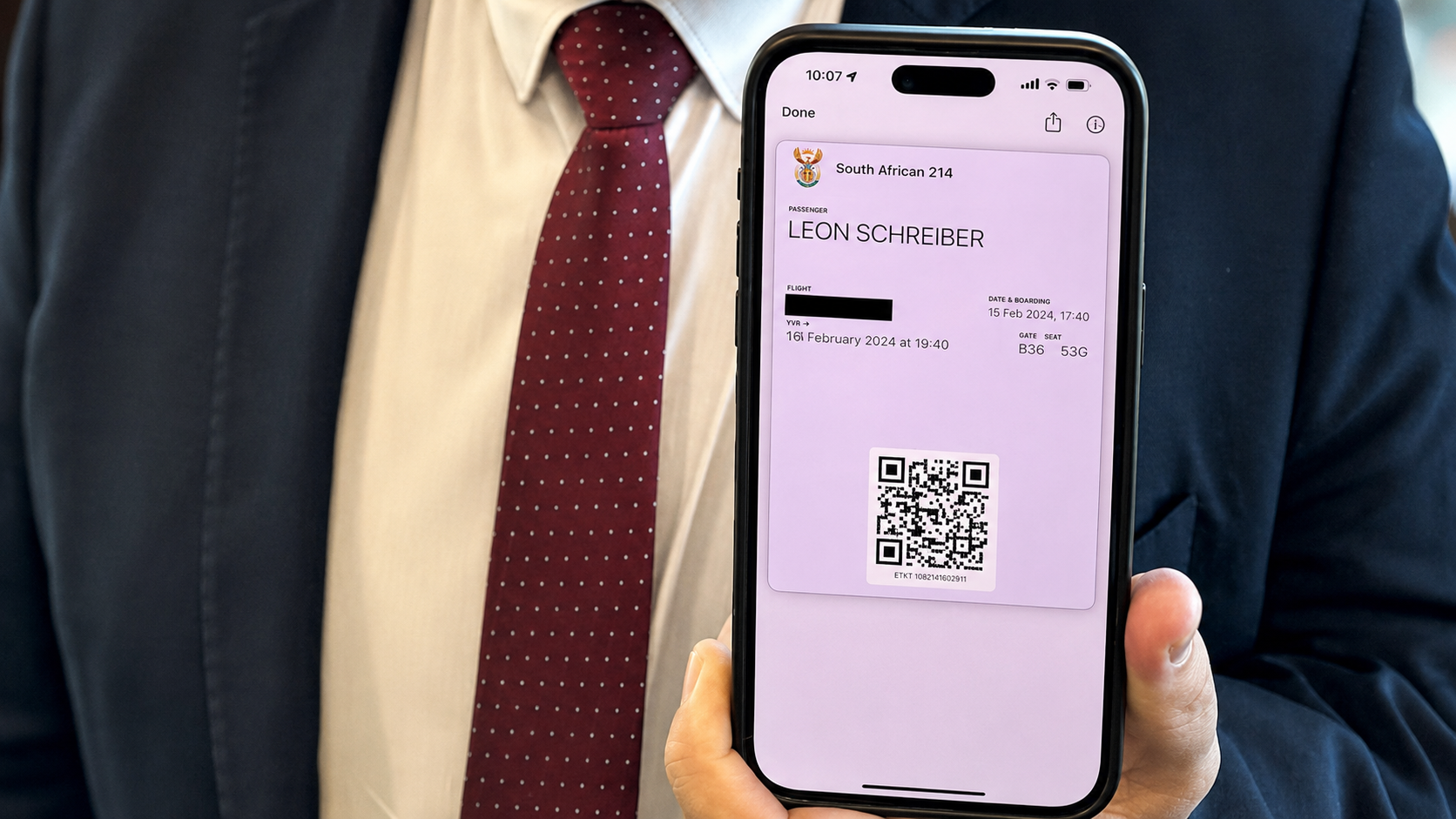
Phone numbers are used to receive banking alerts, one-time passwords, access WhatsApp, recover forgotten accounts, use ride-hailing and delivery services, access mobile money platforms, and interact with government services.
If someone manages to obtain a fraudulently registered SIM card, they gain access to one of the most important pieces of a person's digital identity.
The government's goal is to strengthen that first layer rather than fighting fraud separately across banking, telecommunications, and public services.
What It Means for South Africans
For now, nothing changes for existing mobile users.
The telecom industry says the new verification process will be introduced gradually, supported by a public awareness campaign before any nationwide rollout begins.
The stricter enforcement that started on July 1, 2026, relates mainly to compliance with existing RICA requirements rather than the proposed real-time verification system, which is still being developed.
Still, the government's direction is becoming increasingly clear.
South Africa is moving away from treating SIM registration as a routine telecom formality. Instead, it wants mobile numbers to become part of the country's core identity infrastructure, sitting alongside banking credentials and the national digital ID programme.
If the reforms are implemented as planned, a South African SIM card will become much more than something that connects people to calls, texts, and mobile data.
It could become one of the country's most trusted forms of digital identification, verified instantly against the same government database already used to confirm a person's identity for official services.
Whether the system delivers on that promise will depend on how effectively the Department of Home Affairs, telecom operators, and law enforcement agencies turn today's policy framework into a working national system.