IGP, NBA President Debate Nigerians’ Right to Record Police Officers
Nigeria’s police chief and NBA president have clashed over the limits of recording police officers in public, raising questions about citizens’ rights, police privacy, transparency and accountability.
A significant debate has emerged in Nigeria concerning the legality and ethical boundaries of citizens recording police officers during their official duties.
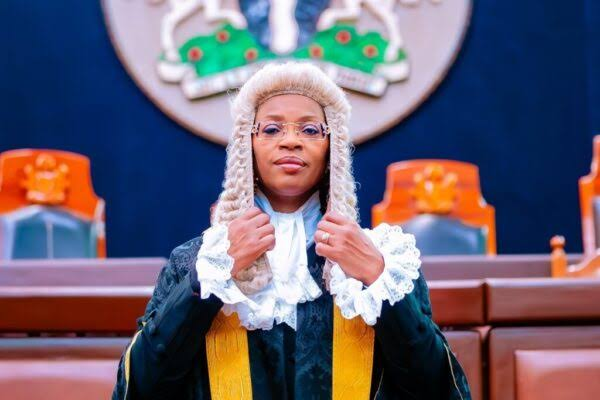
This discussion recently came to the forefront during an engagement between the Inspector-General of Police (IGP), Olatunji Disu, and the President of the Nigerian Bar Association (NBA), Oyinkansola Badejo-Okusanya SAN, highlighting differing perspectives on transparency, privacy, and public accountability.
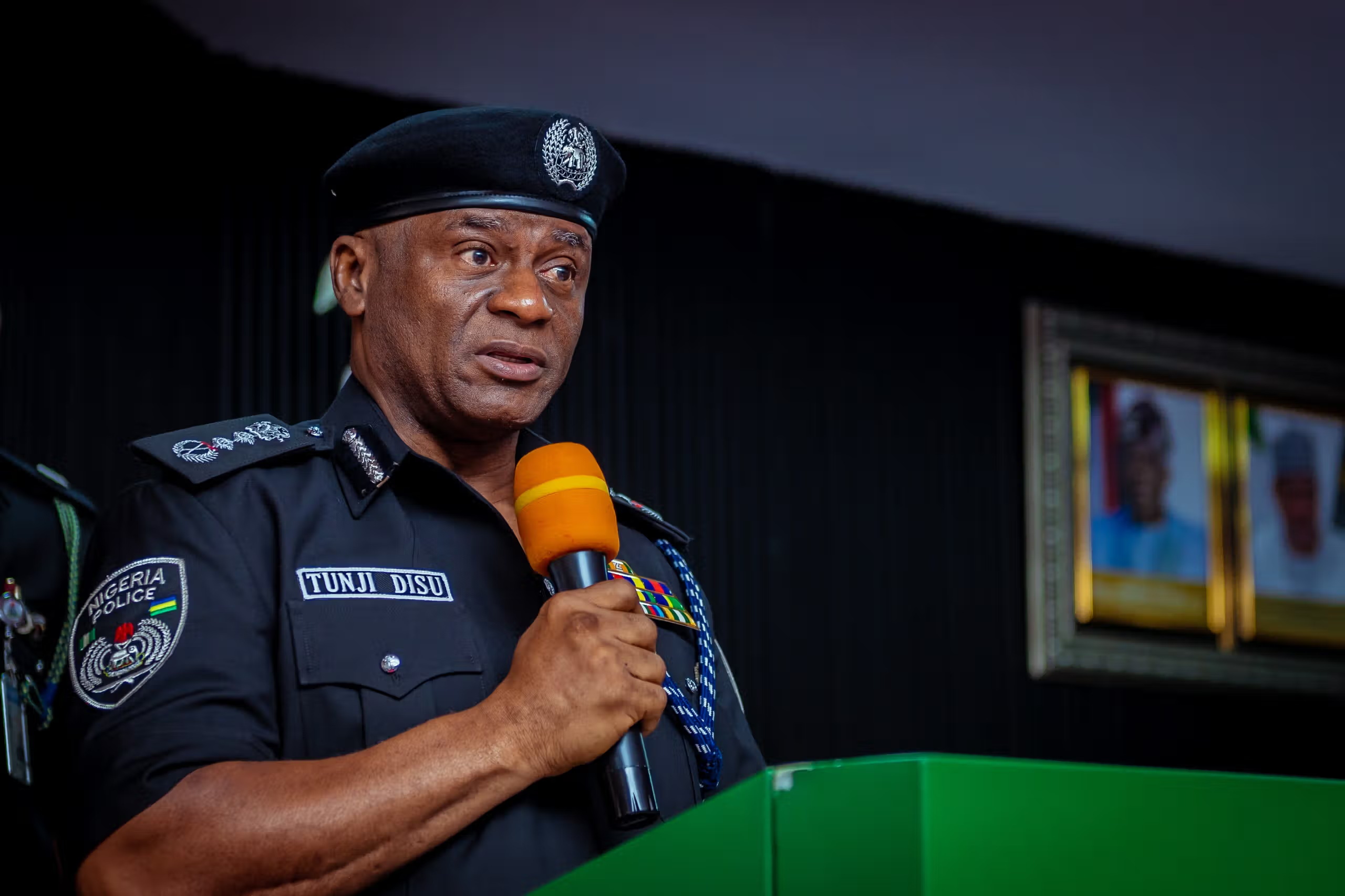
IGP Olatunji Disu initiated the discussion by challenging the NBA President on the extent to which citizens should be permitted to record police officers. He questioned whether similar recording practices would be accepted in other professional environments, such as lawyers' offices or court proceedings, without restrictions.
The police chief expressed a growing concern within the Nigeria Police Force, particularly after a recent court judgment that he claims encouraged citizens to widely record officers.
This development, according to Disu, has become "very, very demoralizing" for police personnel, especially those serving in challenging and dangerous areas like highways, forests, and bushes, where full concentration is vital for public safety.
Disu further elaborated that the practice has extended beyond recording officers performing duties in public spaces, with instances of Nigerians allegedly recording police officers in private settings, such as restaurants while they are eating.
He described this intrusion as highly demoralizing, stating, "Some even went to restaurants to start recording police officers who are eating. Everywhere you see a policeman, you start recording the policeman."
While clarifying that the police do not oppose citizens exercising their right to record officers in public performing their duties, the IGP stressed the importance of restraint, advocating that these rights should not be abused for entertainment or social media content, turning officers into subjects for "skits or anything."
He appealed to the NBA to send a representative toa police symposium in Owerri, Imo State, to discuss these issues, particularly in light of the impactful court judgment.
In response, NBA President Oyinkansola Badejo-Okusanya SAN firmly defended the right to record police officers carrying out lawful duties, emphasizing that law enforcement agencies should not shy away from transparency.
She highlighted the importance of frank discussions between lawyers and police, viewing both professions as partners in fostering a safe, vibrant society that upholds the rule of law.
Badejo-Okusanya argued that citizens should not be automatically prevented from recording officers in public, while acknowledging the necessity of protecting the privacy of officers and other individuals within legal parameters.
The NBA President referenced the United States' introduction of body cameras for police officers as a progressive measure to promote transparency and accountability. She explained that body cameras serve as a mechanism for officers to be aware their actions are recorded, allowing for subsequent review and helping to identify and punish misconduct, thereby acting as a deterrent.
While agreeing with the IGP that recording officers in private settings like restaurants constitutes an intrusion of privacy, she maintained that the broader issue should not lead to a rejection of progressive transparency measures. Instead, she called for a clear delineation of the legal limits of public recording.
Badejo-Okusanya suggested that existing laws, such asthe Cybercrimes law, could be strengthened or reinterpreted to clearly define the boundaries of recording officers during duty and to protect individual privacy. She emphasized the need for a collaborative approach to ensure that the privilege of recording is not abused.
The NBA President reiterated her commitment to ongoing dialogue with police leadership, commending IGP Disu for his efforts in promoting cooperation and dialogue in other contexts, which she noted had yielded positive results.