She100: The Quiet Architect Behind Africa's HIV Survival Story — The Story of Glenda Gray
Glenda Gray helped transform HIV from a death sentence into a preventable condition for thousands of African children, reshaping public health systems across the continent.
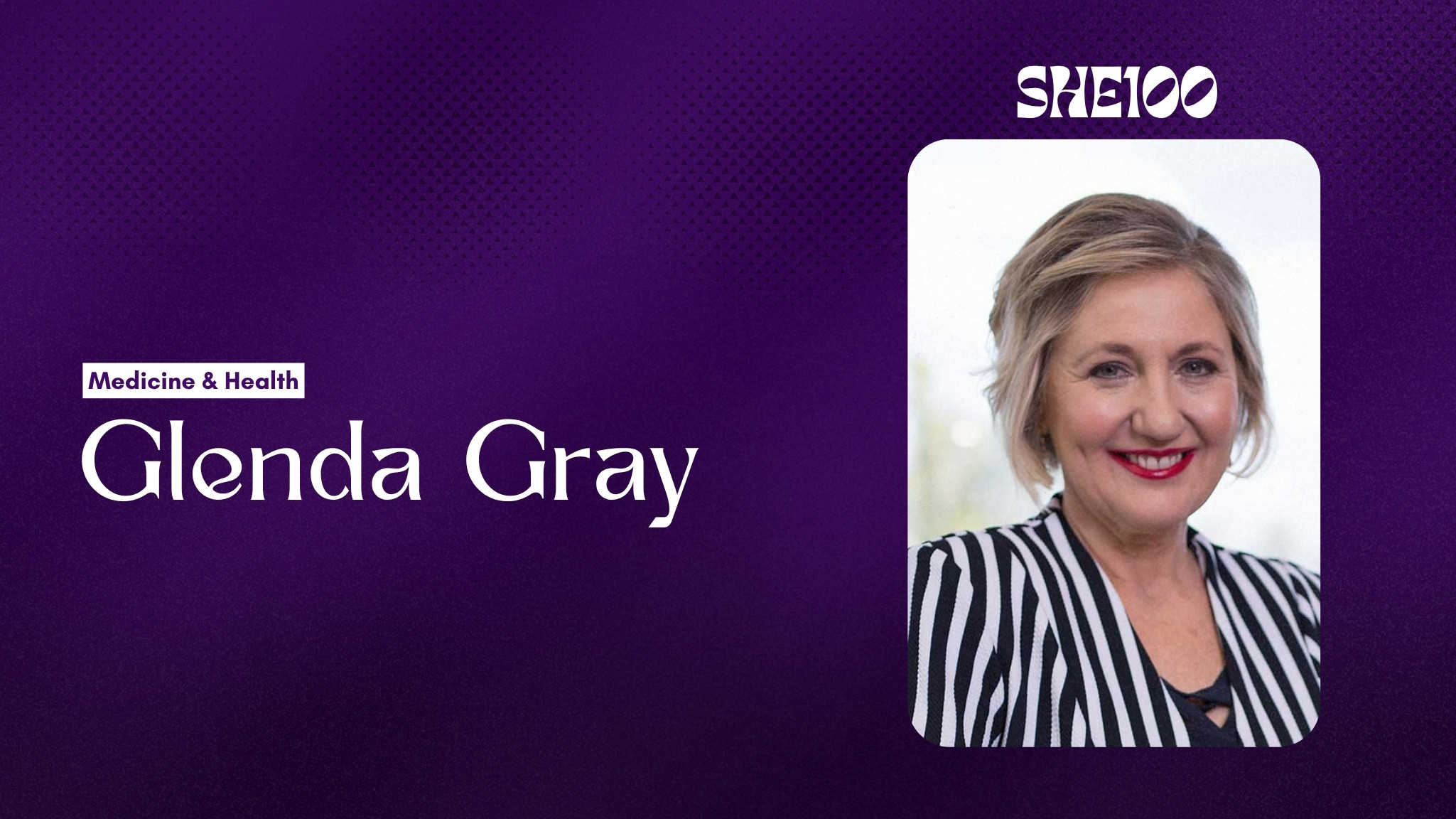
Glenda Elisabeth Gray was born on 14 December 1962 in Boksburg, a gold mining town in Gauteng, South Africa, that ran on sweat and apartheid logic.
She was the fifth of six children. Her father worked the mines as a mechanical engineer; her mother was a bookkeeper. Money was tight.
The town was racially segregated, but her father had one unwavering rule: all six children were going to university, no choice.
Her eldest brother came home fromWitwatersrand University radicalized, and dinner table conversations quickly became seminars on social injustice. Glenda was listening.
She entered medicine not just with a stethoscope but with a fully formed understanding of what it looked like when systems failed people and a personal commitment to fixing it.
She had no way of knowing that the crisis of her lifetime was already brewing.
The Epidemic Nobody Wanted to See
By the late 1980s, Glenda was a young doctor at Chris Hani Baragwanath Hospital in Soweto, one of the largest hospitals in the world, serving one of the most under-resourced communities in South Africa.
She was working in the ICU when HIV began showing up in patients. Then, in 1989, children started coming in. By 1996, almost every child in the ward had the virus.
That shift changed everything for her. She had planned to run a paediatric ward, train the next generation of doctors and do the classic clinician's work. HIV made her a researcher instead.
In 1993, alongside obstetrician Dr James McIntyre, she co-founded a perinatal HIV clinic at Baragwanath, among the first in South Africa to offer HIV testing and counselling for pregnant women and to take that work directly into the surrounding community.
Three years later, the clinic became the Perinatal HIV Research Unit at the University of the Witwatersrand.
Fighting the Government While Saving Its People
A drug called AZT existed that could prevent HIV from passing from mother to child during childbirth. The problem was that the 14-week treatment course was unaffordable for women in developing countries and most didn't even learn they had HIV until close to delivery.
Glenda's unit joined a clinical trial to find a shorter, cheaper regimen, tested against a placebo.
The backlash was immediate. A New England Journal of Medicine editorial accused them of conducting unethical research.
But the women enrolled in the trial had been consulted. They agreed to continue with the condition that every woman in Soweto would eventually benefit from the results.
Glenda and her team made that promise. And then they kept it, even when it meant going around the government to do so.
The South African government under Thabo Mbeki was infull HIV denialism mode. His health minister dismissed antiretrovirals as too expensive. Glenda helped procure the drugs covertly and treat patients anyway.
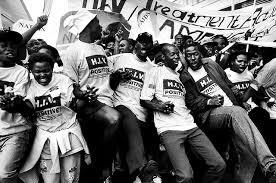
She was also part of the founding of the Treatment Action Campaign, the civil society organisation that eventually took the government to court and won.

In 2002, Nelson Mandela personally presented Glenda and McIntyre with the Nelson Mandela Health and Human Rights Award.
The Numbers That Tell the Story
Partly due to the work pioneered by Glenda Gray and her colleagues, the number of babies born with HIV globally dropped from 600,000 per year to around 150,000. South Africa's mother-to-child transmission rate fell to under two percent.
She has co-authored over 300 scientific papers. She became the first female President of the South African Medical Research Council in 2014, leading it for two consecutive five-year terms.
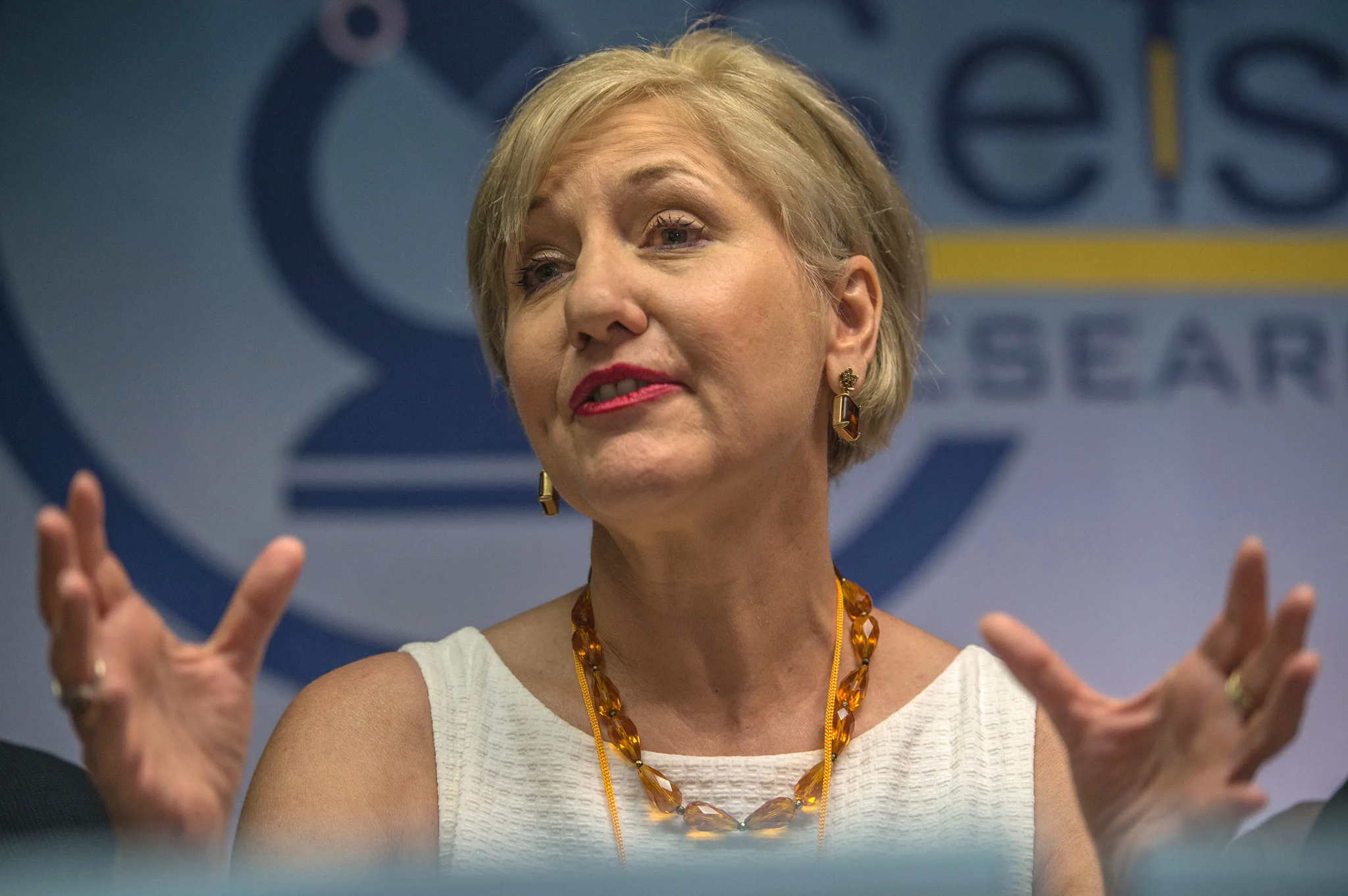
In 2017, TIME Magazine named herone of the 100 Most Influential People in the world. Forbes Africa listed her among Africa's 50 Most Powerful Women in 2020. South Africa awarded her the Order of Mapungubwe (Silver), the nation's highest honour.
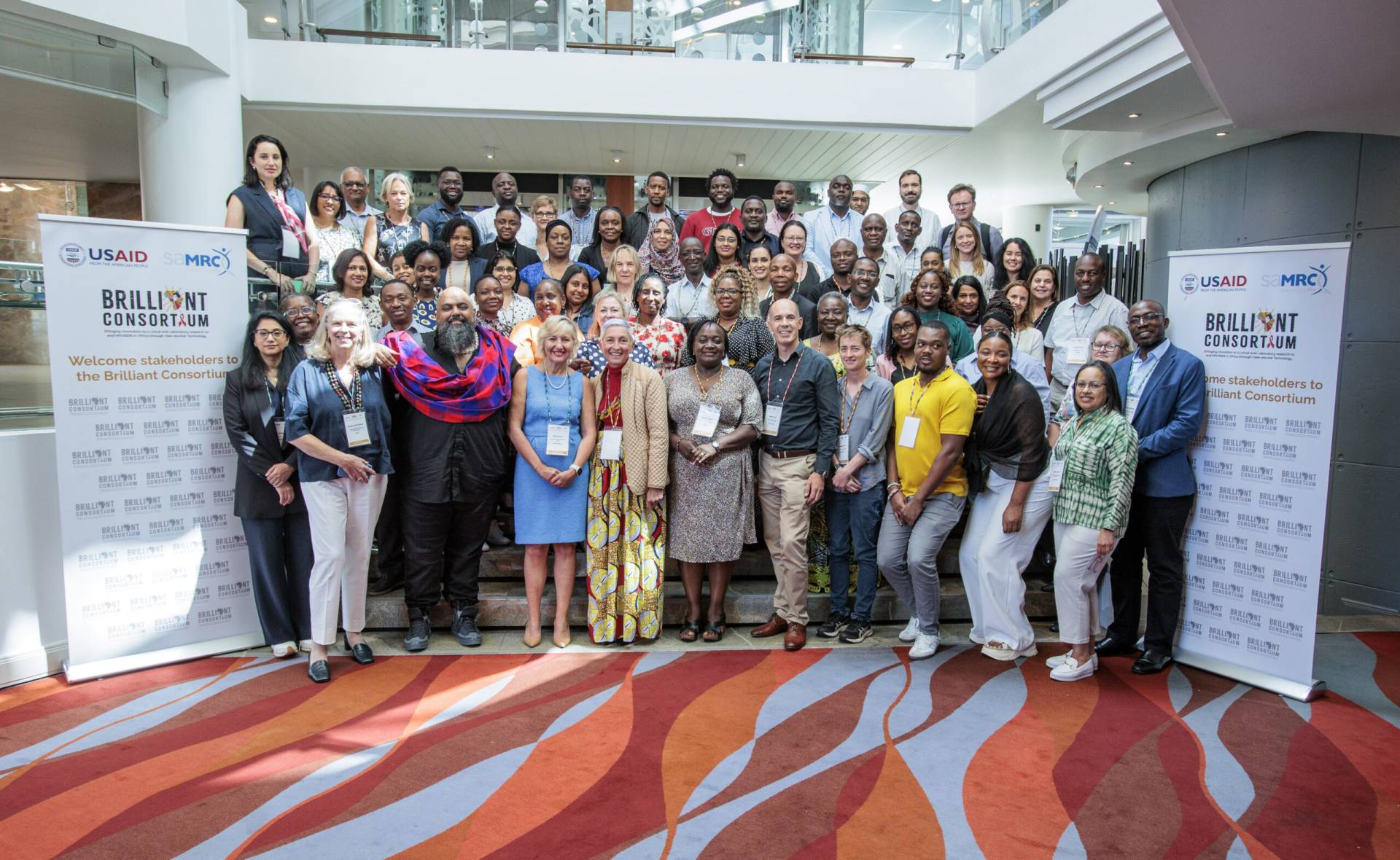
She is now Chief Scientific Officer at the SAMRC and leads the BRILLIANT Consortium, building Africa's first homegrown HIV vaccine pipeline.
Still Not Done
Glenda Gray is not a person who rests on what has already been built.
She openly states that finding a preventive HIV vaccine is the scientific achievement she is still chasing, the one that will complete the work she started in a maternity ward in Soweto in 1993.
Because of what she did, mothers are alive. Children are alive. A continent is alive in ways it might not have been.
That is the quiet architecture of a remarkable career.