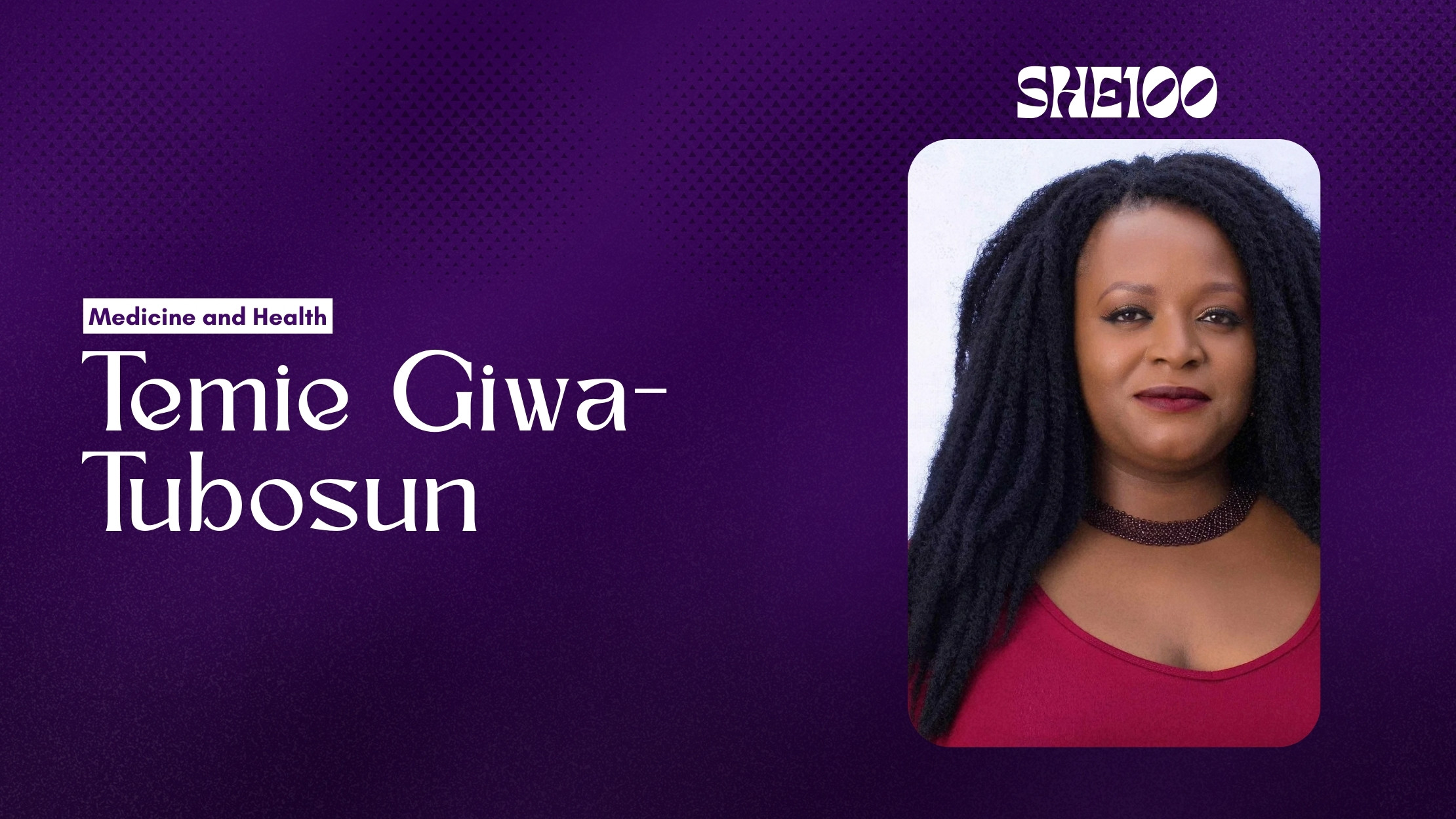
She100: Temie Giwa-Tubosun — The Woman Who Turned Blood Into a Delivery System for Life
A near-fatal encounter with maternal mortality pushed Temie Giwa-Tubosun to build LifeBank, a logistics system delivering blood and medical supplies across Africa—saving tens of thousands of lives in the process.
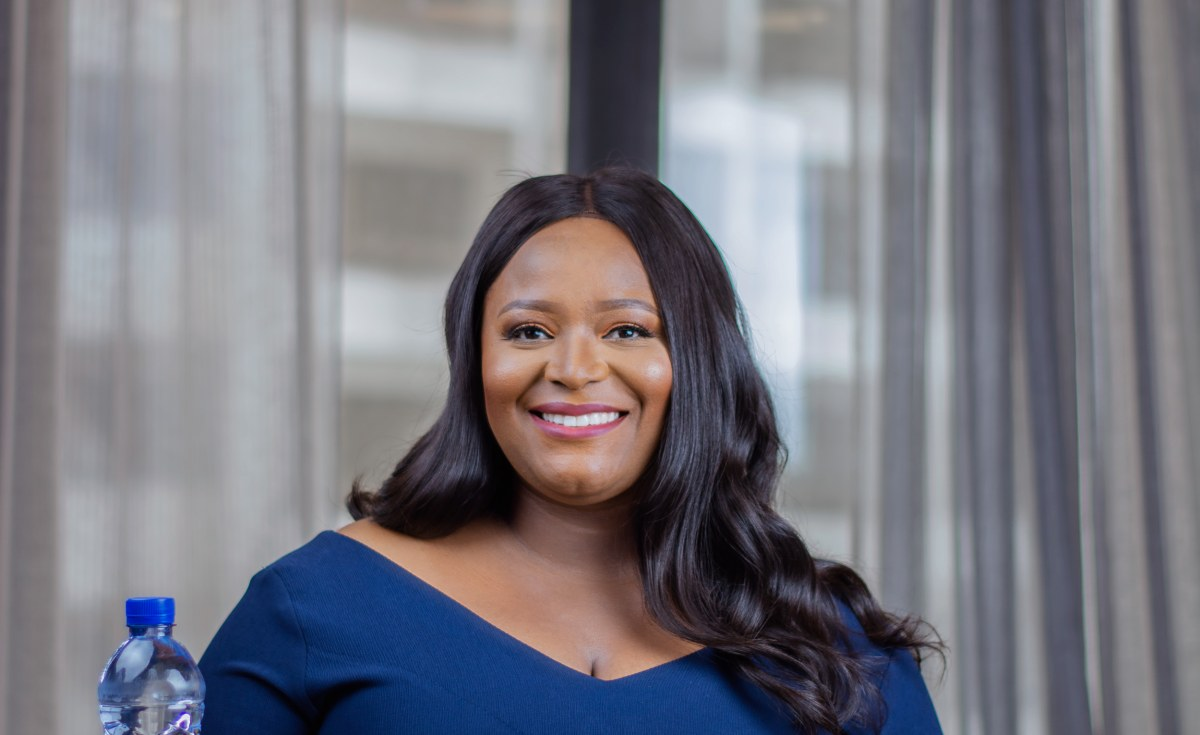
There is a version of this story where Temie Giwa-Tubosun becomes a lawyer. She grew up in Ila-Orangun, Osun State, with big ambitions and a head full of ideas about justice.
Then Nelson Mandela happened, the way he can to a certain kind of young Nigerian idealist, and she took a U-turn, deciding that the real work was in building systems that kept people alive.
It was a good call. Today, she runs a company that has saved tens of thousands of lives across three African countries, and she did it by solving a problem so obvious it is almost embarrassing that it took this long: getting blood from where it sits unused to where it is desperately needed.
A Village in Kano and a Woman Left to Die
The turning point happened during an internship with the UK's Department for International Development in northeast Nigeria in 2003, when a young Temie and her team came across a pregnant woman in a village in Kano who had been in labour for days from birth complications.
She was bleeding heavily. Her community had gathered around her, not to help, but to wait for the inevitable.
A caesarean section and a blood transfusion would have saved her. She had neither.
That image did not leave Temie. It followed her through her degree in political science at Minnesota State University, her master's in international health systems management, her fellowship at the World Health Organisation in Geneva.
It followed her all the way to a hospital bed in Minnesota in February 2014, where she gave birth to her son Eniafe seven weeks early.
The Birth That Built a Business
Eniafe came in at just two pounds, 0.9 in kilograms. It was, by Temie's own account, a difficult and painful delivery.
But she had access to excellent healthcare. Her son survived. She survived. And lying in that hospital bed during recovery, she did what any public health professional would do — she pulled out the research.
She confirmed what she already suspected —- the leading cause of maternal mortality globally is postpartum haemorrhage, the loss of too much blood after childbirth.
In Nigeria, it was killing more than 26,000 women every year. The math was brutal.
She had survived because she was in Minnesota. She could have died in Lagos. That realisation became a company.
Building the "Amazon for Blood"
Temie founded LifeBank in January 2016, incubating it at Lagos's Co-Creation Hub with an initial $25,000 in pre-seed funding.
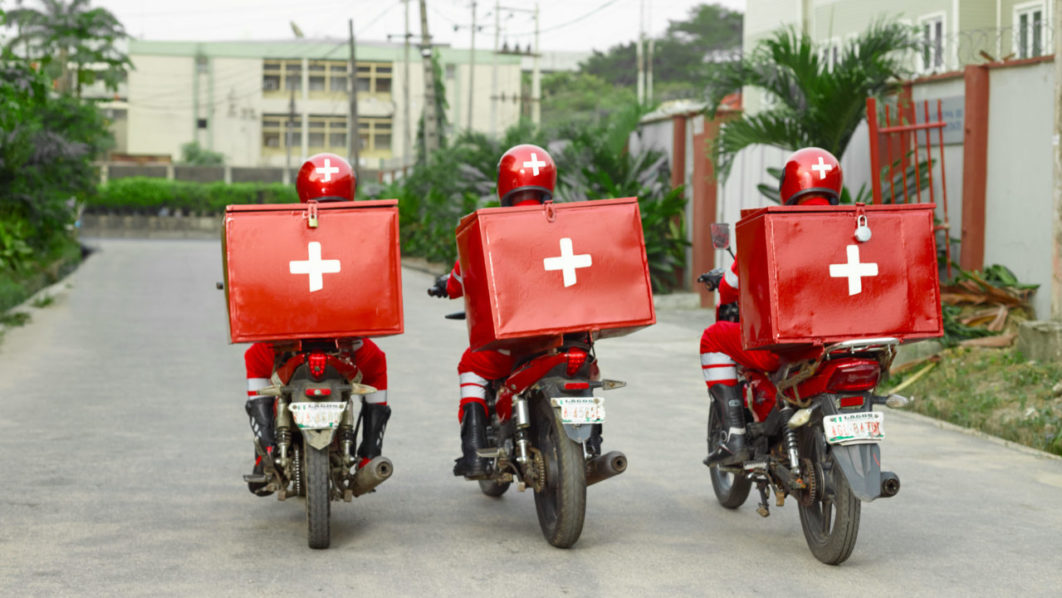
The premise was almost embarrassingly simple: Lagos had blood. Hospitals needed blood. Nobody was efficiently connecting the two. LifeBank set out to fix that.
The company built a platform that aggregated daily inventory datafrom blood suppliers across the city, let hospitals call in their needs through a 24-hour call centre and then dispatched delivery — by motorcycle, boat, truck, tricycle — in under 55 minutes, any time of day or night.
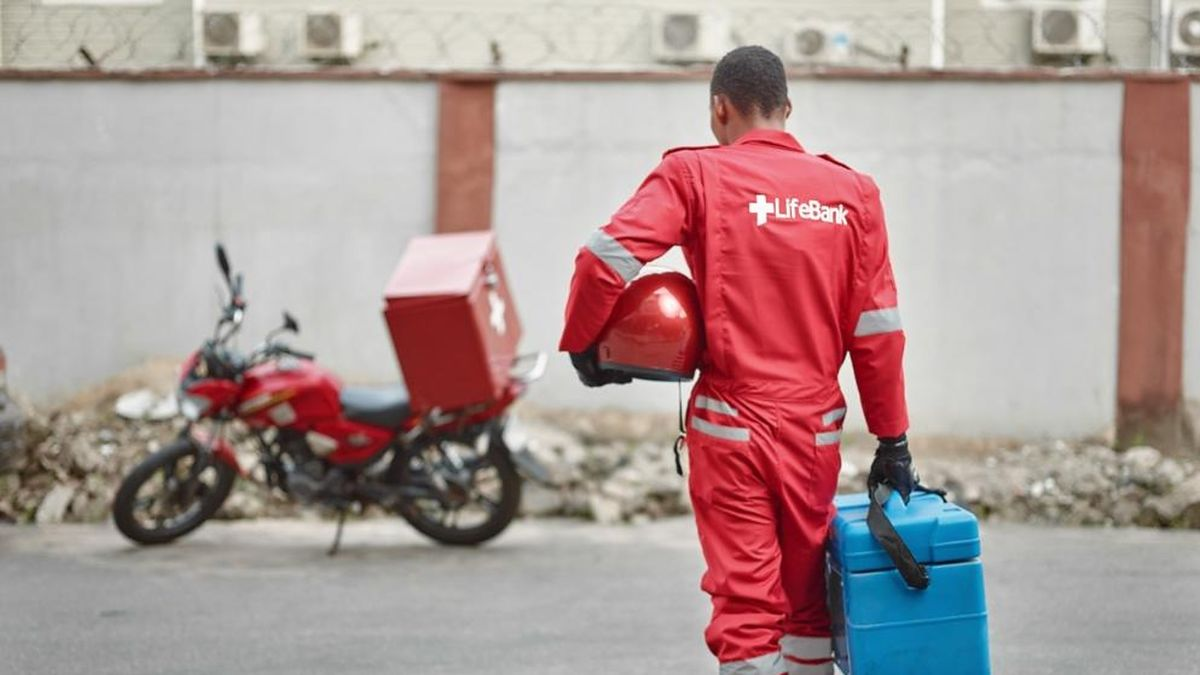
Blood travelled in WHO-compliant cold chain boxes, sealed in Bluetooth-padlocked containers that only the intended recipient could open.
The technology was smart. The logistics were smarter.
More Than Blood
What started as a blood delivery service grew into something much larger. LifeBank now distributes medical oxygen, plasma, platelets, vaccines and health consumables.

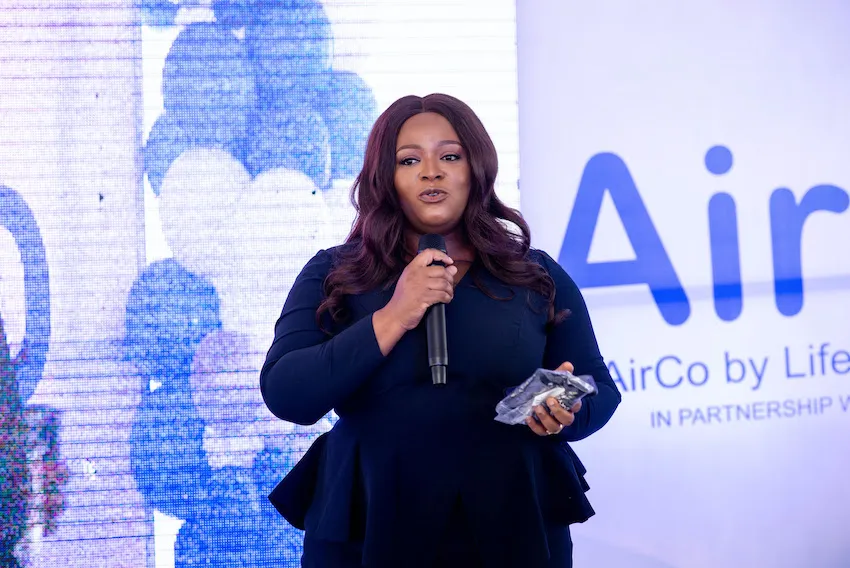
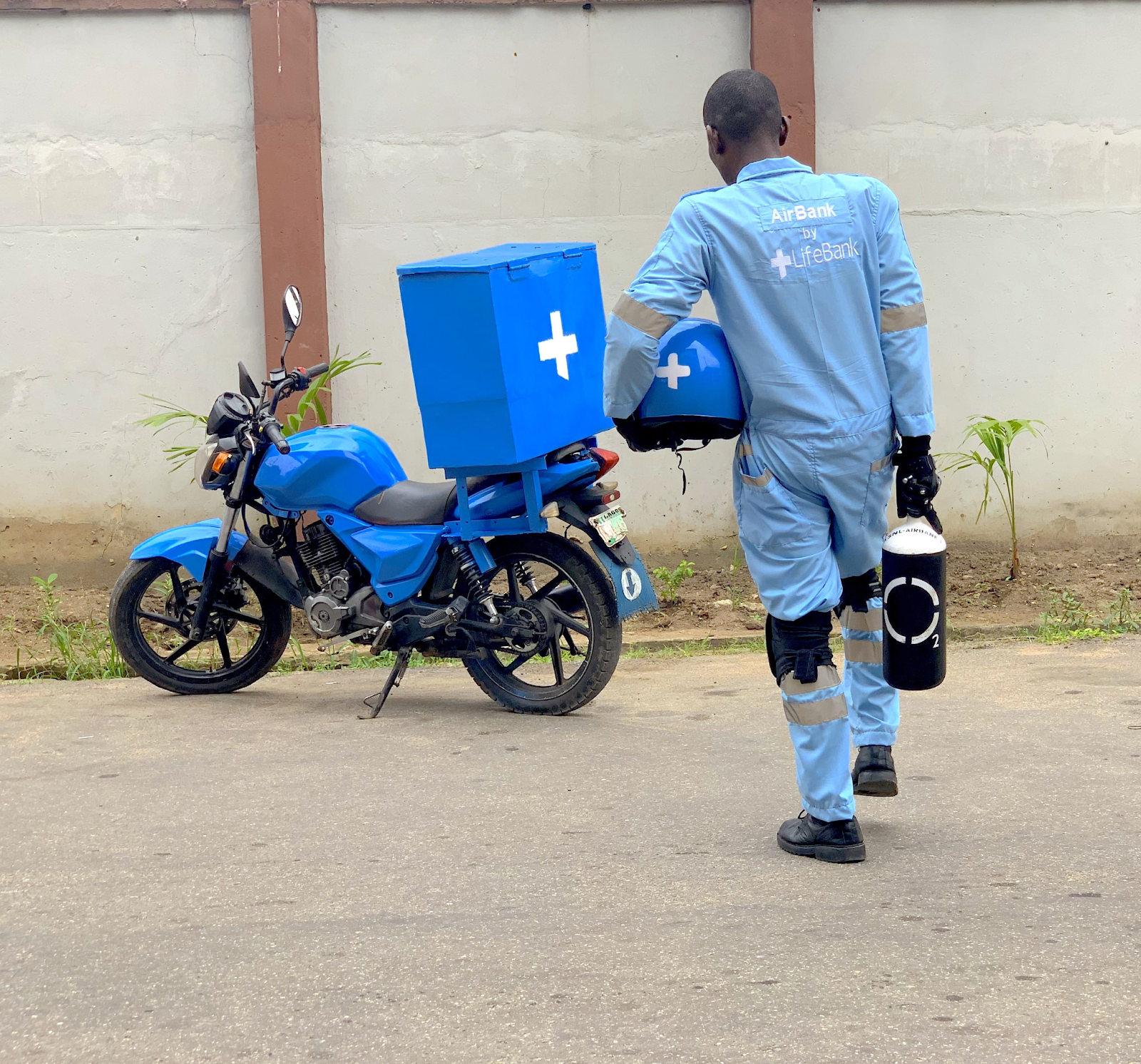
In 2018, the company launched AirBank, a platform for ordering emergency oxygen cylinders, a move that became critical when COVID-19 hit and hospitals across Nigeria scrambled for supply.
LifeBank set up testing centres during the pandemic and in December 2020, Temie won the Global Citizen Prize for Business Leader partly in recognition of that response.
By this point, the company had crossed into Kenya and Ethiopia, operating across three countries with over 160 staff and serving more than 1,200 hospitals.
The Numbers That Matter
LifeBank has transported over 155,000 units of blood and medical products since its founding.
It has saved more than 40,000 lives, roughly three-quarters of them from low-income communities. It has recruited over 7,400 blood donors and partnered with more than 100 accredited blood banks.
Source: Google
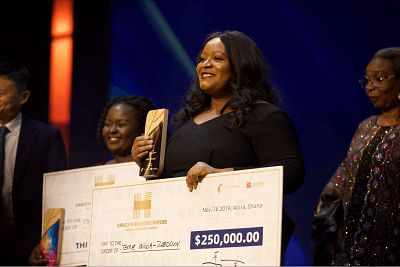
In 2019, Temie won Jack Ma's Africa Netpreneur Prize worth $250,000. In 2017, she was named one of the World Economic Forum's six global innovators.
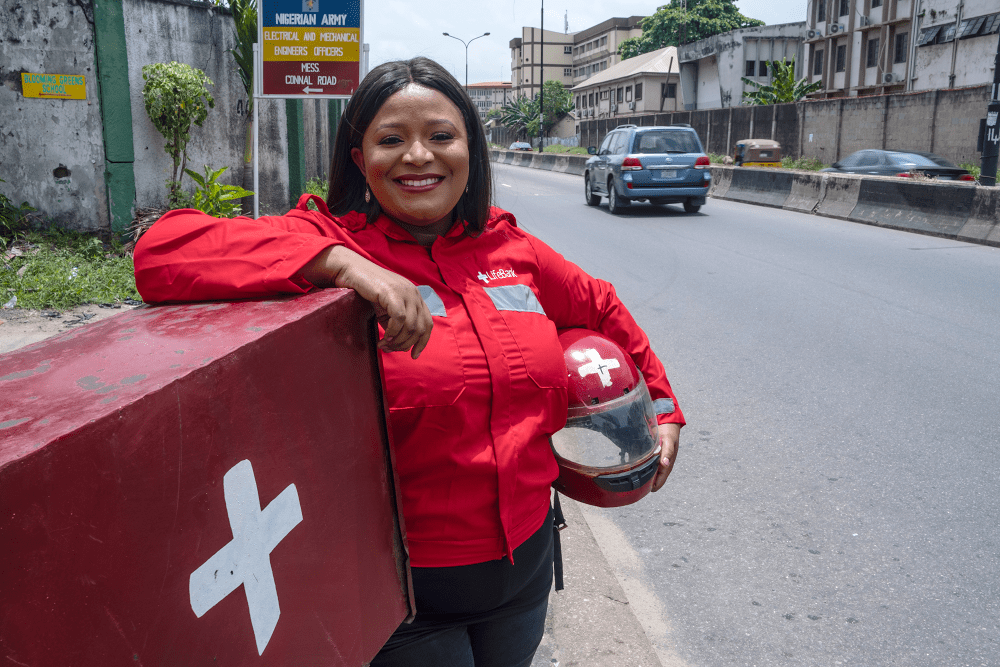
Mark Zuckerberg, after meeting her in Lagos, said that if she pulled it off, she would show a model capable of changing not just Nigeria, but countries all over the world.
She pulled it off.

What She Is Really Building
Temie Giwa-Tubosun's stated goal is to save one million lives across Africa in ten years.
The bigger ambition is expansion into South Asia, Southeast Asia and South America, and eventually, a profitable public company.
But underneath the scale and the prize money and the investor decks is something more personal.
She has said, plainly, that she needs people who look like her to see that they can solve the problems in their communities. That the future of healthcare on this continent does not have to wait for someone else to come and build it.
LifeBank is, at its core, proof of concept. An African woman looked at a broken system, built a better one and got the receipts to prove it worked.