SHE100: Omoyemi Akerele, The Architect of Lagos Fashion Week
Omoyemi Akerele built more than a fashion event. Through Lagos Fashion Week, she created a global platform for African designers and helped shift the narrative around African fashion. A SHE100 fashion feature celebrating women shaping the industry.

Before the world began paying attention to African fashion, there were designers creating extraordinary work in studios scattered across Lagos, Accra, Johannesburg, and Dakar. Their garments carried history, craftsmanship, and imagination. What they often lacked was a stage big enough for the world to see them.
Omoyemi Akerele saw that gap clearly.
Long before global retailers and international editors began turning their gaze toward the continent, she imagined a platform that could spotlight African designers, connect them to buyers, and reshape the narrative around African creativity.
That vision eventually became Lagos Fashion Week, now one of the most important fashion platforms on the continent and a gateway through which African designers reach the global industry.
But Omoyemi did not start out in fashion. Her journey into the industry is a story of reinvention, persistence, and an unwavering belief that African creativity deserved a bigger stage.
From Law Books to the Language of Fashion
Before going into the fashion ecosytem, Omoyemi Akerele was studying law. She earned her degree from the University of Lagos and later pursued a master’s in international economic law at the University of Warwick.
Her early career followed a predictable path. From 2000 to 2003, she worked at the Nigerian law firm Olaniwun Ajayi and Co., building a career that many would have considered stable and successful. Yet something kept pulling her toward a different world.
Fashion.
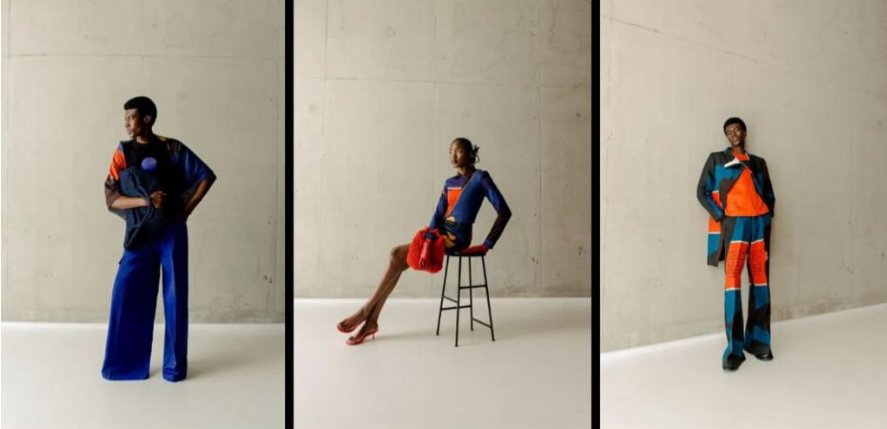
It was not just about clothes. For Omoyemi, fashion represented identity, culture, and storytelling. She eventually transitioned into the industry, working in fashion media and styling before launching Style House Files in 2008, a creative agency focused on developing the African fashion industry.
This shift would prove pivotal. Through her work with designers, brands, and creatives, she began to see a gap in the industry. African designers had talent and cultural richness, but they lacked a structured platform that could connect them to global buyers, media, and investors.
Omoyemi decided to build that platform herself.

The Birth of Lagos Fashion Week
In 2011, Omoyemi launched Lagos Fashion Week through Style House Files. At the time, the idea seemed ambitious. Fashion weeks were traditionally dominated by global capitals like New York, London, Milan, and Paris.
Lagos was rarely part of that conversation.
But Omoyemi saw something others overlooked. Lagos was already a cultural powerhouse, bursting with creativity, entrepreneurship, and bold style. What it lacked was a formal stage to showcase its fashion industry to the world.
Lagos Fashion Week became that stage.
Today, the event hosts dozens of African designers every year and draws thousands of visitors, including international buyers, editors, and media professionals.
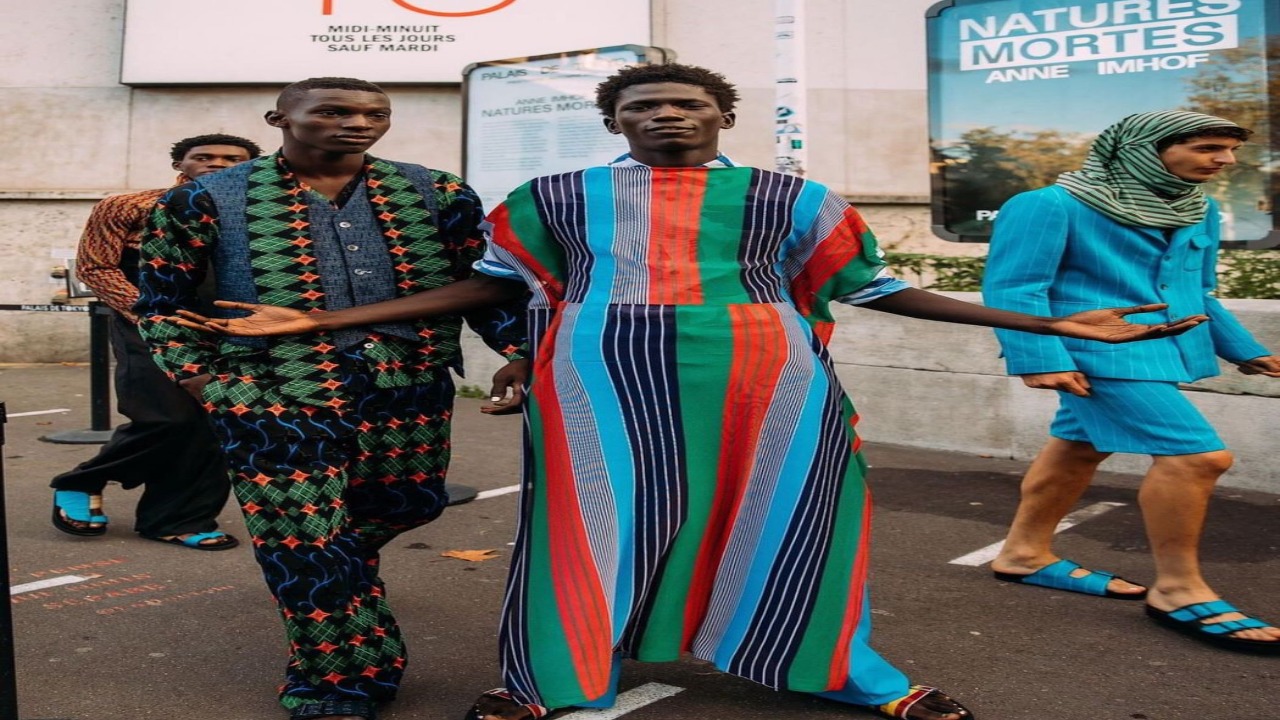
For many designers, the platform has been a launchpad. Brands that debuted on its runway have gone on to gain international recognition, demonstrating that African fashion is not simply a trend but a thriving creative economy rooted in heritage and innovation.
What began as a single event has grown into a movement that celebrates African craftsmanship while building bridges to the global fashion market.
Championing Sustainability and the Future of African Fashion
While Lagos Fashion Week amplified African design, Omoyemi understood that visibility alone was not enough. The industry needed sustainability, education, and infrastructure to thrive.

Under her leadership, the platform launched initiatives like Green Access and Woven Threads, programs designed to support designers working with environmentally responsible practices and circular fashion systems.
These initiatives encourage designers to rethink production, explore upcycling, and develop eco-conscious approaches to fashion.
By doing so, Omoyemi positioned African fashion not just as culturally rich but as a leader in sustainable innovation.
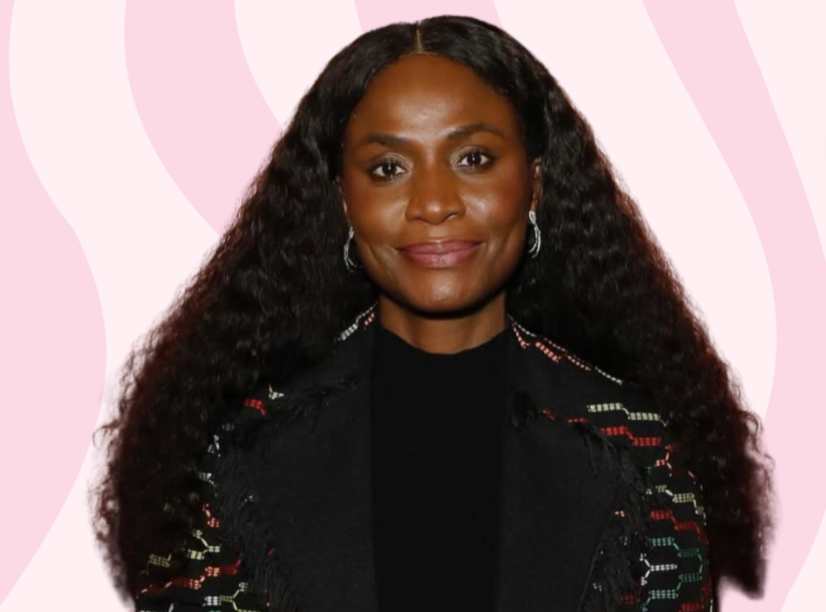
Her advocacy has earned international recognition. She has served as an advisor to institutions including the United Nations, the Museum of Modern Art, and the Victoria & Albert Museum, helping shape global conversations around fashion and sustainability.
For her, fashion has always been about more than aesthetics. It is about economic empowerment, cultural preservation, and the future of creative industries across Africa.
Building a Global Platform for African Creativity
More than a decade after its launch, Lagos Fashion Week has become one of the most important fashion events on the continent. Designers from Nigeria, Ghana, South Africa, and beyond now gather in Lagos to present collections that blend traditional craftsmanship with contemporary design.
The impact goes far beyond the runway.
By connecting designers with global retailers, investors, and media, Omoyemi has helped expand the international footprint of African fashion. Her work has also opened doors for emerging talent, offering mentorship programs, workshops, and industry training.
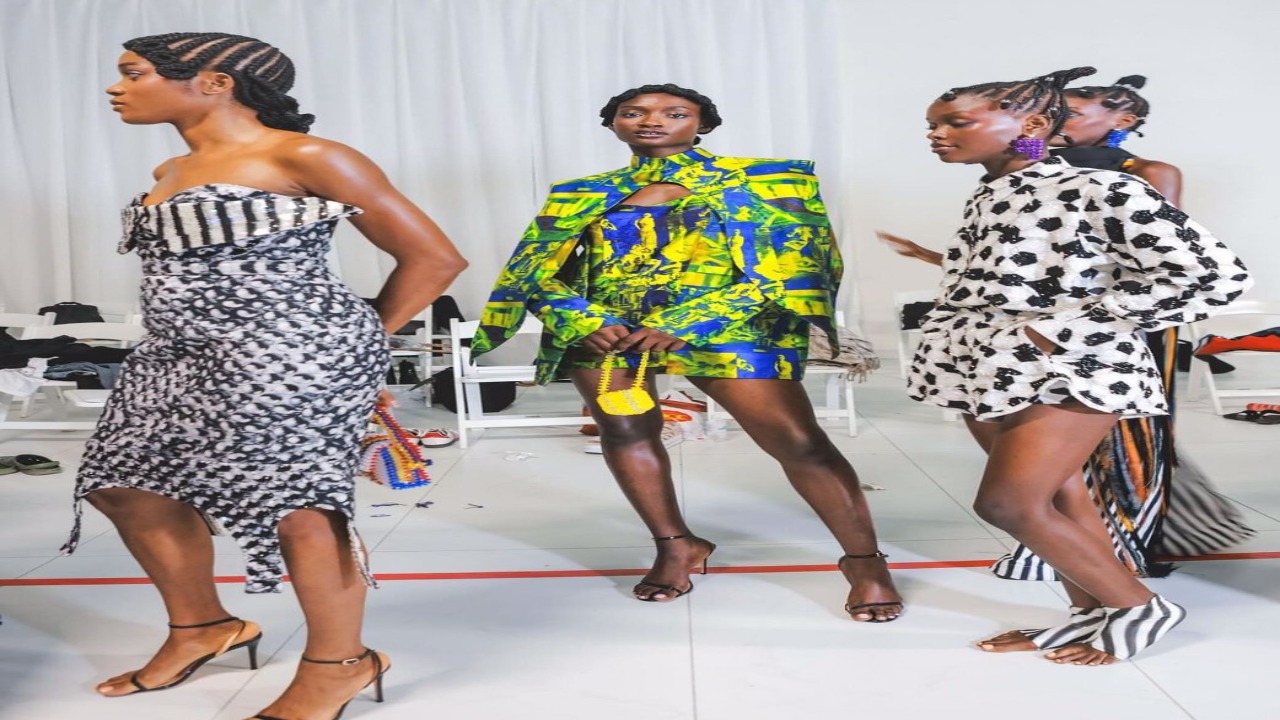
She was in 2017 on the advisory committee for exhibition Items: Is Fashion Modern? at the Museum of Modern Art (MoMA).
The exhibition featured African designers, including Loza Maléombho, and African textiles, including Kente cloth, African-inspired textiles like real Dutch wax, and Dashiki from Lagos.
She also spoke about the global impact of African fashion at the accompanying MoMA Live conference.
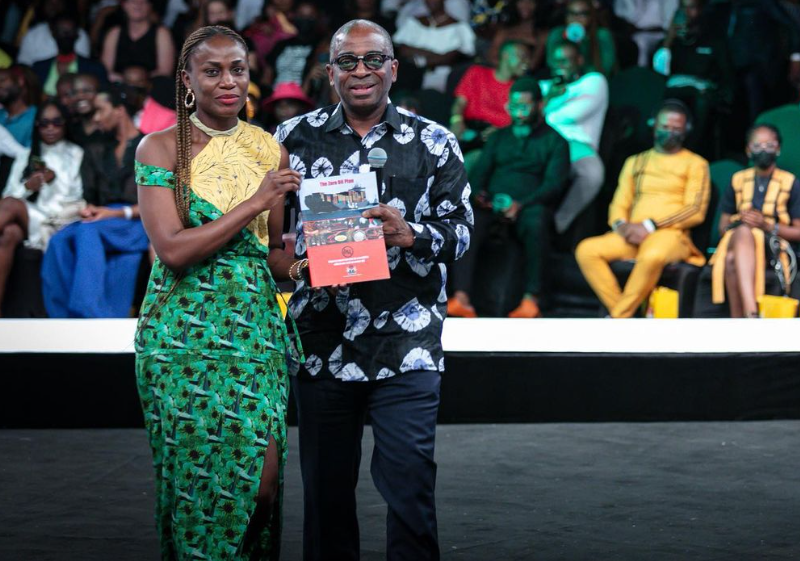
She was in 2021 named Zero Oil Ambassador for Nigeria by the CEO of the Nigerian Export Promotion Council and President ECOWAS TPO Network, Mr. Olusegun Awolowo, and given a five-hundred-million-Naira grant to support thirty brands in the fashion industry.
In 2022, runway footage from Lagos Fashion Week was featured in the Victoria & Albert Museum's exhibition Africa Fashion, and several African designers, photographers, and creatives were exhibited.
Today, she is recognized as one of the most influential voices shaping the African fashion ecosystem, appearing on the Business of Fashion Global 500 list and speaking at international conferences about the future of the industry.
Yet perhaps her greatest achievement is something less tangible. She changed how the world sees African fashion.
No longer an overlooked corner of the industry, it is now a powerful cultural force that blends heritage, innovation, and global relevance.
And behind that shift stands a woman who believed the continent’s creativity deserved its own runway.
As we celebrate women throughout March, a time marked globally by International Women's Day, Omoyemi Akerele’s journey stands as a powerful reminder of what happens when vision meets courage.
By building platforms, opening doors, and insisting that African creativity deserves a global audience, she has shown how one woman’s determination can shift an entire industry