SHE100: From Nigeria to the World Bank - The Rise of Arunma Oteh
Arunma Oteh served as Treasurer of the World Bank from 2015–2018, managing global financial operations and development funding.
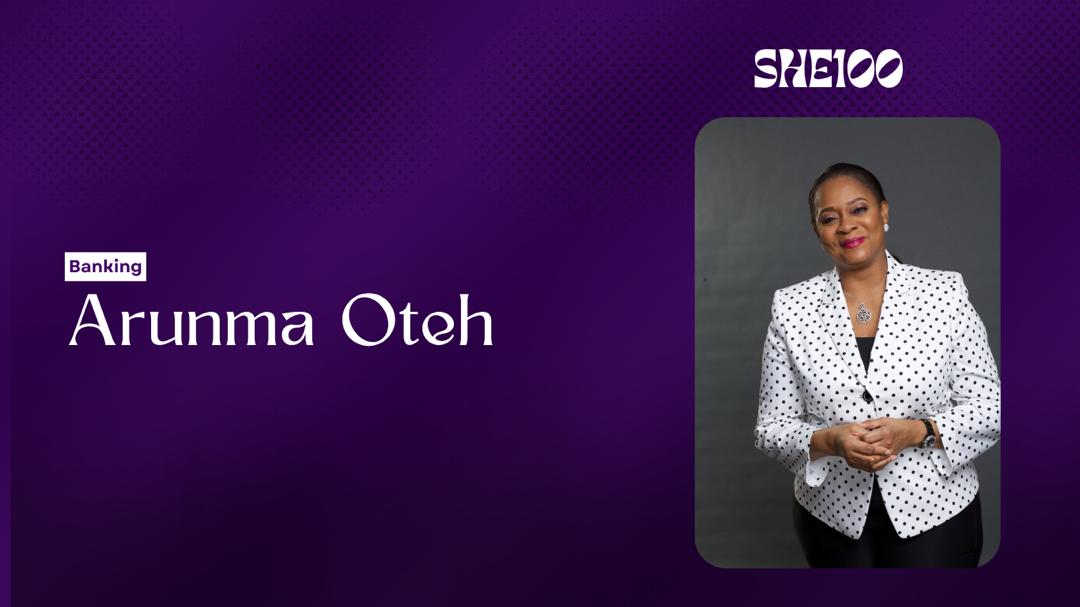
In Africa’s financial landscape, Arunma Oteh stands out as a powerful and transformative leader.
Because of her expertise in finance, capital markets, and global economic systems, she has played a significant role in shaping both Nigeria’s financial sector and international financial institutions.
From leading reforms in Nigeria’s capital market to managing global financial operations at the World Bank, Oteh’s career reflects excellence, integrity, and visionary leadership.
Her journey is a strong example of how African professionals can make a lasting impact on both local and global stages.
Early Life and Education
Arunma Oteh, born in 1965, built a strong academic and intellectual foundation that would later position her as a global leader in finance.
She began her educational journey at the University of Nigeria, where she earned a degree in Computer Science.
Her choice of studying computer science at a time when the field was still developing highlights her forward-thinking mindset and interest in technology-driven problem solving.
During her university years, she developed key skills in analysis, logic, and systems thinking, which later became valuable in understanding complex financial systems and data-driven decision-making.
Recognizing the need to combine technical knowledge with business expertise, Oteh pursued a Master of Business Administration (MBA) at the Harvard Business School.
At Harvard, she was exposed to global business strategies, leadership principles, and financial management practices.
The experience also gave her access to an international network and broadened her understanding of global markets and economic systems.
Her education, spanning both technology and business, gave her a unique advantage.
It equipped her with the ability to approach financial challenges with both analytical precision and strategic insight, laying the foundation for her successful career in capital markets, regulation, and international finance.
Leadership at Nigeria’s SEC
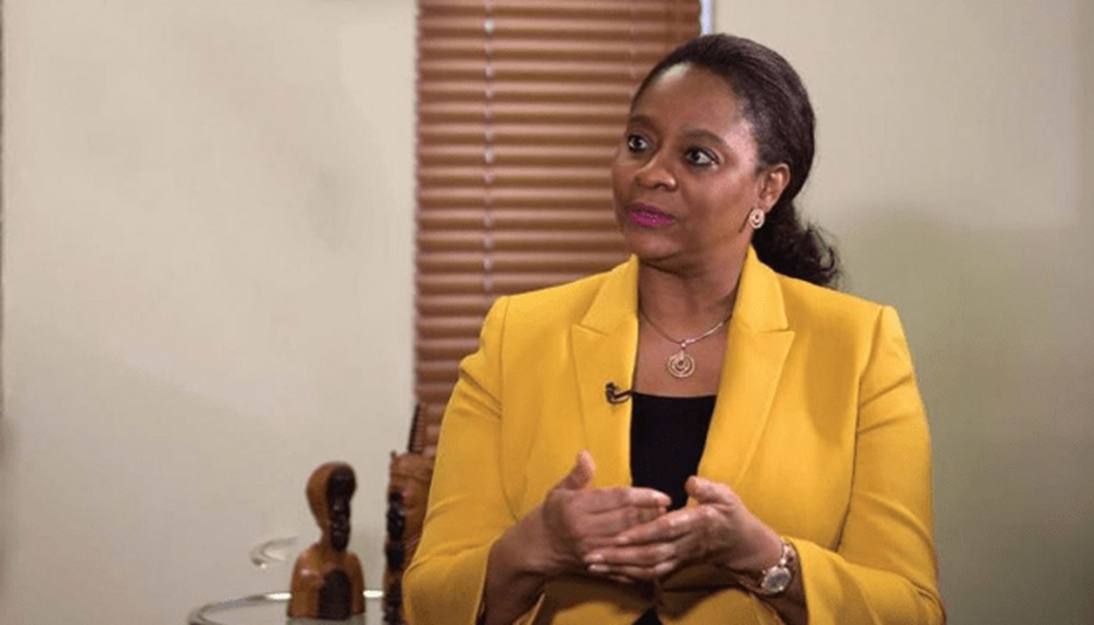
Arunma Oteh rose to national prominence when she was appointed Director-General of the Securities and Exchange Commission Nigeria (SEC) in January 2010, a position she held until 2015.
Her appointment came at a critical time, shortly after the Global Financial Crisis, when Nigeria’s capital market was struggling with instability, loss of investor confidence, and weak regulatory oversight.
Upon assuming office, Oteh took bold steps to reform and stabilize the capital market.
One of her key priorities was improving transparency and accountability, ensuring that market operators followed stricter rules and ethical standards.

She introduced stronger regulatory frameworks to monitor financial activities and reduce the risks of market abuse and mismanagement.
She also focused heavily on investor protection, implementing policies that safeguarded investors’ interests and restored trust in the system.
Her leadership involved restructuring parts of the market, addressing issues related to corporate governance, and promoting fair trading practices.
These reforms were essential in rebuilding confidence among both local and international investors.
During her tenure from 2010 to 2015, Oteh played a major role in repositioning the SEC as a credible and effective regulatory body.
Her efforts contributed significantly to the recovery and gradual growth of Nigeria’s capital market, making it more stable and attractive for investment.
Overall, her leadership at the SEC demonstrated courage and vision, as she tackled deep-rooted challenges and implemented reforms that had a lasting impact on Nigeria’s financial system.
Global Role at the World Bank
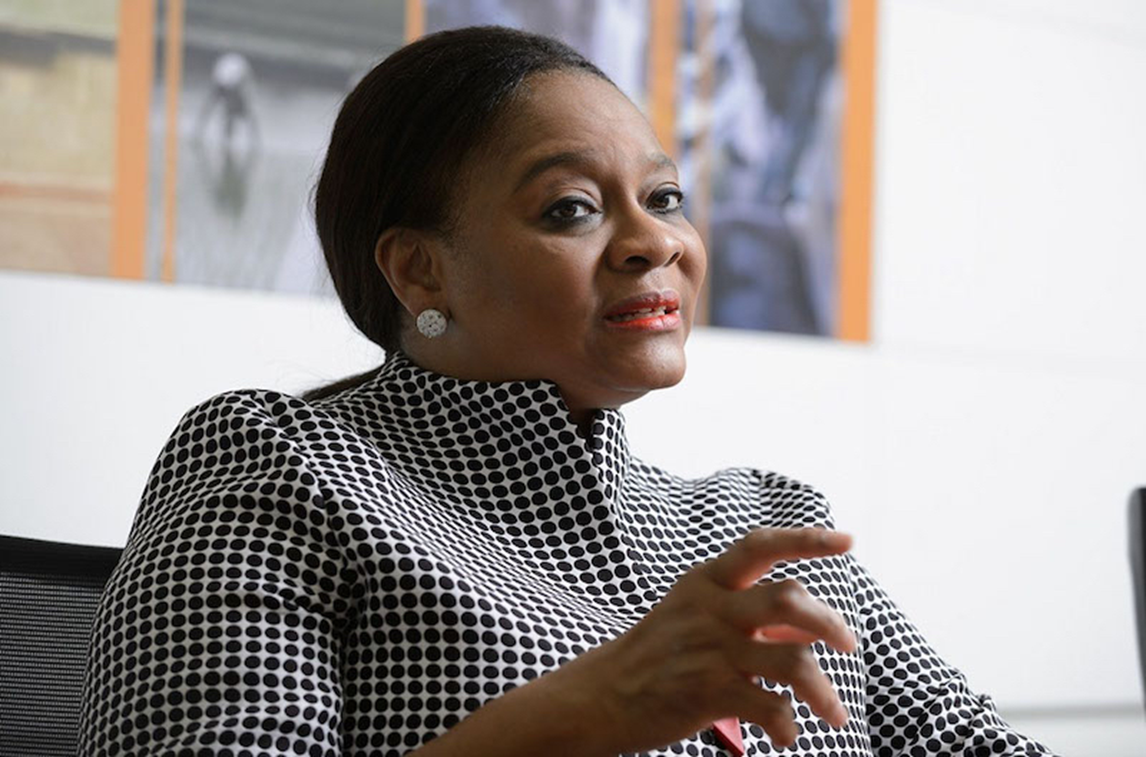
After her impactful work in Nigeria, Arunma Oteh moved to the global stage,becoming Treasurer of the World Bank in 2015
In this role, she was responsible for managing the institution’s multi-billion-dollar financial operations, including funding, investments, and risk management.
As Treasurer, Oteh oversaw the World Bank’s international capital market activities, which involved raising funds through global bond issuances to support development projects worldwide.
She played a crucial role in ensuring the financial sustainability of initiatives aimed at reducing poverty and promoting economic growth across different countries.
Her work also focused on innovative financial solutions, helping the World Bank explore new ways to finance development, manage risks, and respond to global economic challenges.
This included strengthening partnerships with investors and improving the efficiency of financial operations.
During her tenure (from 2015 onward, serving until 2018), Oteh’s leadership reinforced the World Bank’s reputation as a trusted global financial institution.
Her performance at this level highlighted her expertise, strategic thinking, and ability to operate effectively in complex international financial systems, further establishing her as a globally respected financial leader.
Conclusion
Arunma Oteh’s journey from a student in Nigeria to a global financial leader is a story of determination, intelligence, and impact.
Her contributions to Nigeria’s capital market reforms and her leadership at the World Bank demonstrate her ability to drive change at both national and international levels.
As one of Africa’s most influential women in finance, she continues to inspire a new generation of leaders, especially women, showing that with knowledge, vision, and resilience, it is possible to shape the future of global finance.