Rest in Steeze: The Fantasy Coffin Culture of Ghana
Who wouldn’t like to be buried in a bottle of champagne, an airplane or in a giant Nike sneaker?
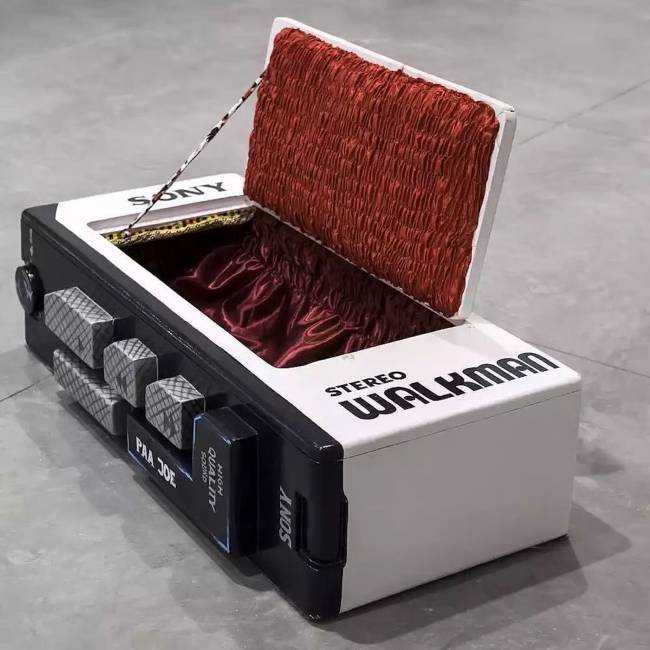
Who wouldn’t like to be buried in a bottle of champagne, an airplane or in a giant Nike sneaker?
In the vibrant cultural tapestry of Ghana, one of the most visually stunning and symbolically rich traditions is the creation of fantasy coffins—locally known as abebuu adekai, or “proverbial coffins.”
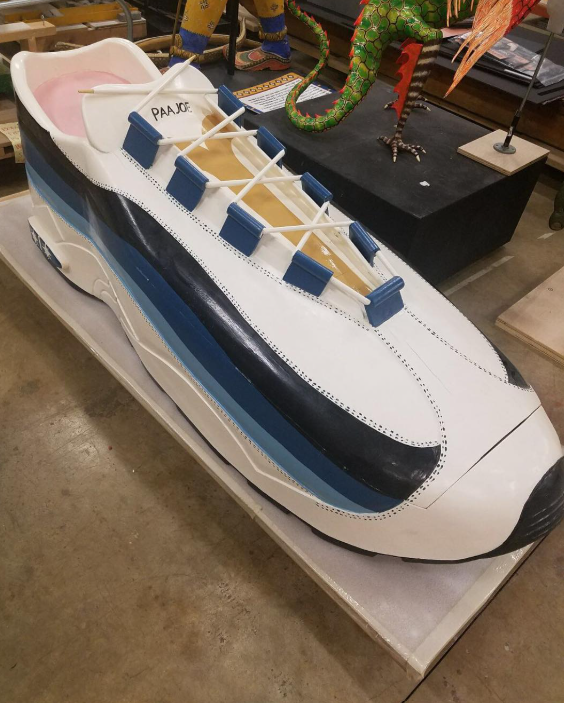
Image Credit: Paa Joe’s Instagram
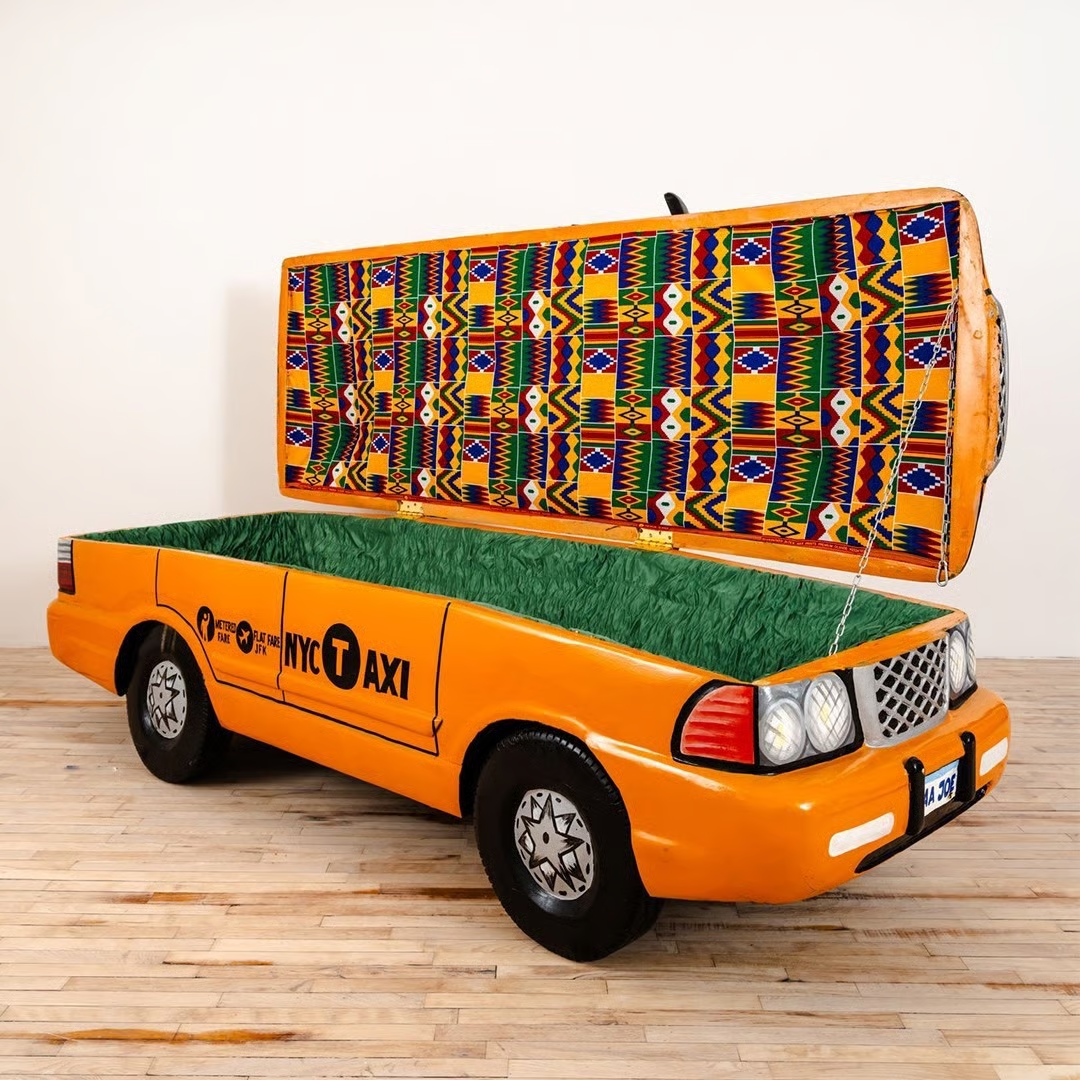
Image Credit: Kottke
These imaginative burial vessels, crafted to resemble everything from coke bottles, to fish, to airplanes to mobile phones and cocoa pods, are more than just curious works of art. They are deeply rooted in Ga traditions from the Greater Accra region and serve as poignant expressions of identity, legacy, and belief. Over time, these coffins have gained international recognition for their ingenuity and cultural significance, transforming funerals into elaborate celebrations of life.
Historical Origins
The tradition of designer coffins started in the early 1900s among the Ga people of Ghana. At that time, chiefs and priests used to ride in special ceremonial litters calledpalanquins, these were often shaped like animals or important symbols. Sometimes, these same palanquins were also used as coffins when the leaders died.
By the 1950s, local craftsmen began turning this idea into actual coffins, creating them in the shapes of meaningful objects. At first, only the rich and powerful used them, but over time, more people began to order these unique coffins. By the 1960s, it became common for anyone who could afford it to be buried in a coffin that reflected their job, personality, or dreams—making funerals a personal and creative tribute to the life they lived.
Culture
Read Between the Lines of African Society
Your Gateway to Africa's Untold Cultural Narratives.
Purpose and Cultural Significance
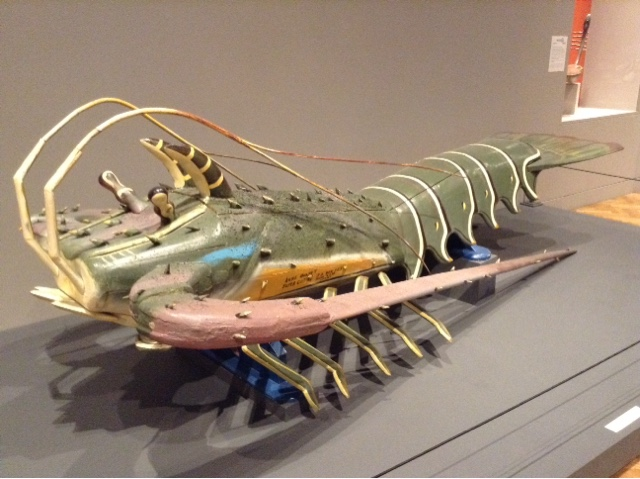
Image Credit: Mini Matisse
The fantasy coffins are not merely decorative. For the Ga people, they fulfill a spiritual purpose. Death is seen not as an end but a transition to another phase of existence. The coffin becomes a vessel that carries the soul into the afterlife, retaining the essence https://minimatisse.blogspot.com/2015/06/sub-plan-create-fantasy-coffin.htmlof the individual’s life on Earth.

Creation Process
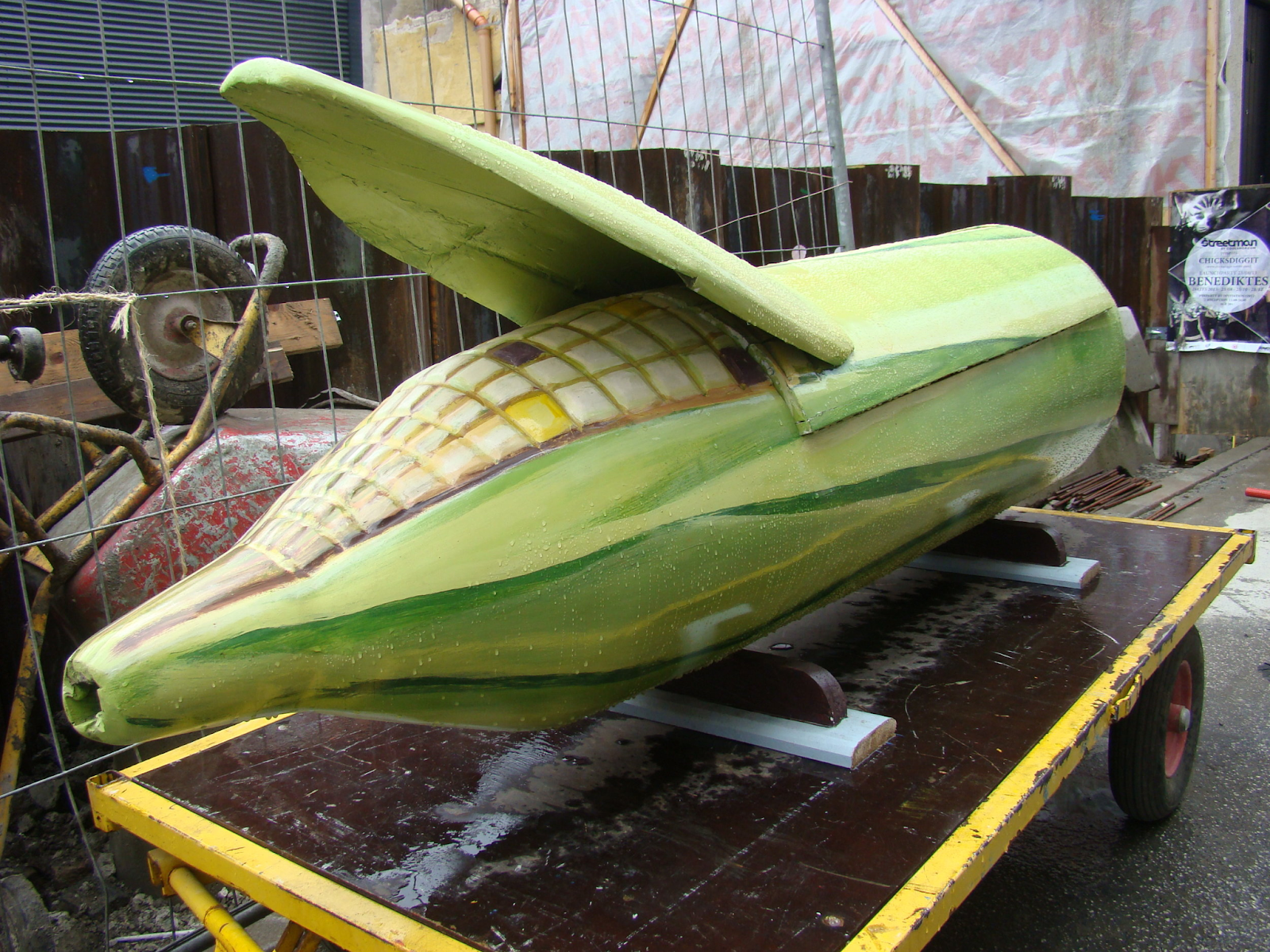
Image Credit: Kane Kwei Carpentry Workshop
Designing and crafting a fantasy coffin is a labor-intensive process involving skilled carpentry, sculpting, and painting. The coffins are made from lightweight local woods such as from the wawa tree, and each piece is tailor-made according to the wishes of the deceased’s family.
The process begins with a conversation—family members share details about the deceased’s life, values, and passions. From there, the coffin maker sketches a design that embodies these elements. The range of possibilities is astonishing: coffins shaped like shoes, pianos, toothpaste, beer bottles, or even toothbrushes. While creativity knows few limits, cultural traditions still play a guiding role.
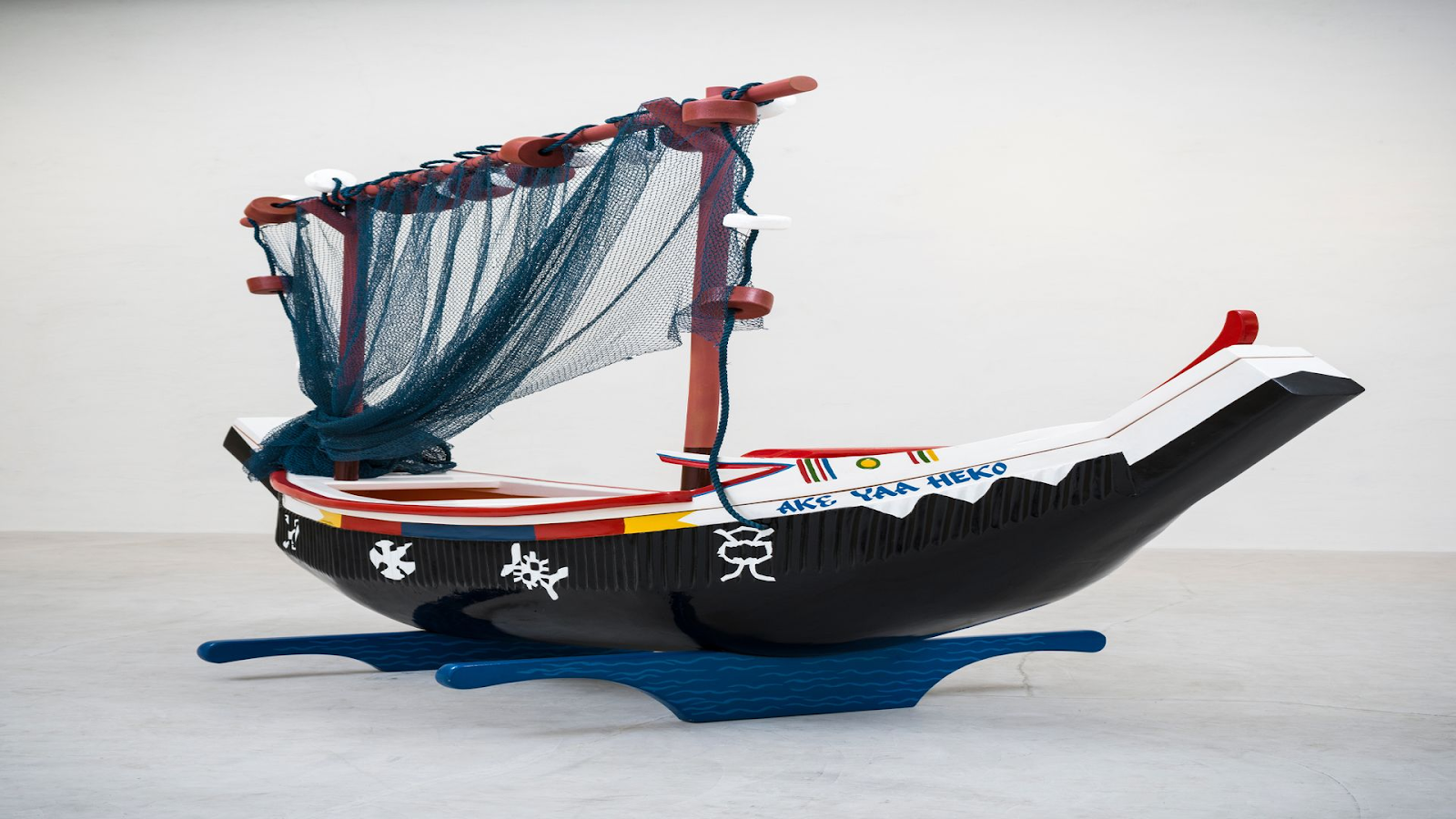
Image Credit: CNN
Culture
Read Between the Lines of African Society
Your Gateway to Africa's Untold Cultural Narratives.
Each coffin is a narrative in three dimensions. Shapes are not chosen lightly—they carry layers of meaning that relate to the deceased’s life, profession, dreams, social status, orspiritual beliefs. A teacher may be honored with a coffin shaped like a chalkboard or a book, while a religious devotee may rest in a Bible-shaped coffin.
A fisherman might be buried in a massive fish, a farmer in a cocoa pod, a business executive in a luxury car. Personal dreams are often honored posthumously. Someone who always wished to fly might be given a plane-shaped coffin, to symbolically fulfill their dreams.
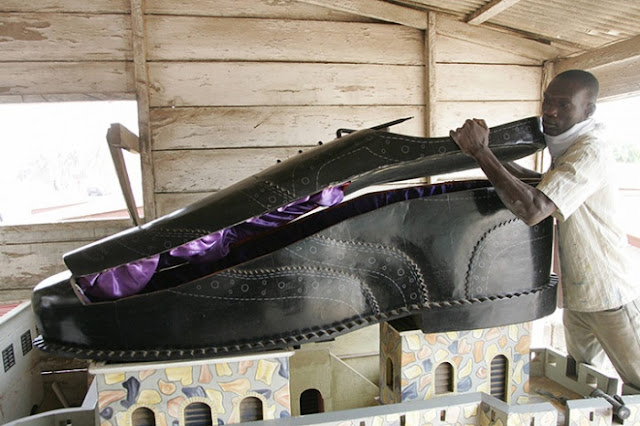
Image Credit: Mini Matisse
Chiefs are honored with coffins shaped like lions or eagles—symbols of strength and leadership. These choices are not random but deliberate reflections of personal stories and communal values.
Cultural taboos still guide many design decisions. Certain animals or objects—like eagles, lions, or traditional stools, are reserved for those of particular social ranks. This ensures that symbolism remains respectful and aligned with longstanding customs.
Beyond individual symbolism, these coffins are also expressions of family pride and community identity. The more elaborate and imaginative the coffin, the more it elevates the social standing of the deceased’s family. Funerals become public spectacles of creativity and respect, underscoring both grief and celebration.
Notable Designers and Makers
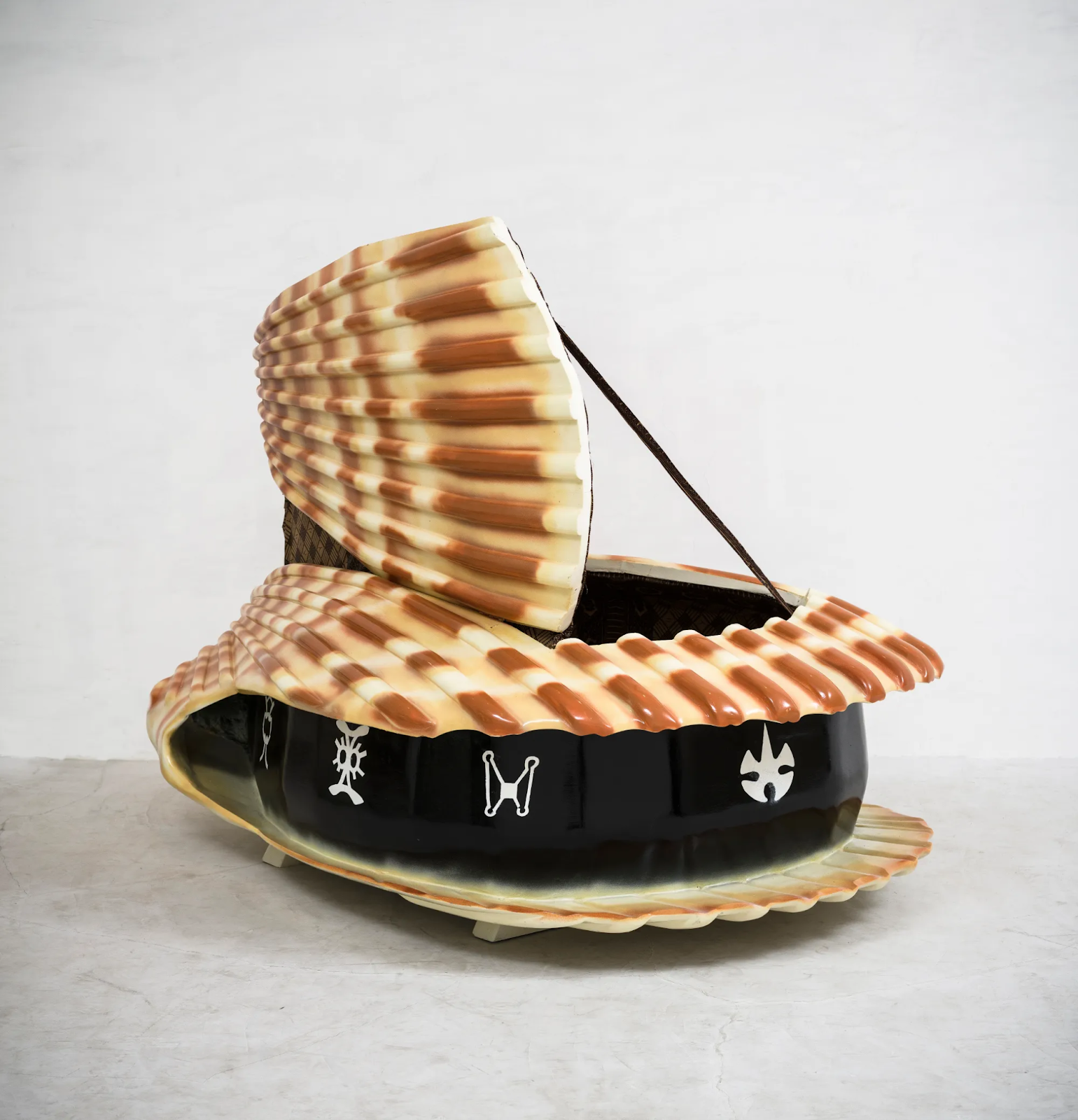
Image Credit: Observer
The legacy of fantasy coffins is inseparable from the artisans who craft them. Seth Kane Kwei is widely recognized as the father of the modern designer coffin, having established a workshop in Teshie that continues to influence new generations of craftsmen. Ataa Oko Addo, a visionary carpenter from La, also contributed significantly to the tradition, creating figurative palanquins and coffins as early as the 1940s.
Their artistic descendants include Paa Joe and Eric Adjetey Anang, both of whom have earned international acclaim. Their works have appeared in museums, galleries, and art festivals around the world, helping elevate Ghanaian fantasy coffins to the status of global cultural icons.
Culture
Read Between the Lines of African Society
Your Gateway to Africa's Untold Cultural Narratives.
Global Recognition
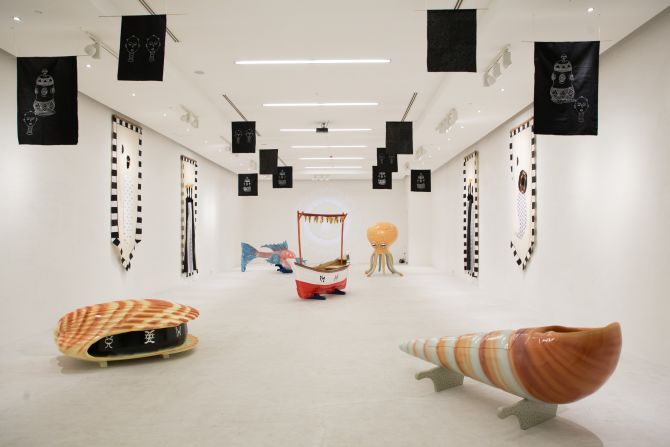
Image Credit: CNN
What began as a localized cultural practice has, over the past few decades, captured the imagination of the global art world. Ghanaian fantasy coffins first drew international attention at the Les Magiciens de la Terre exhibition in Paris in 1989. Since then, they have appeared in major institutions in Denmark, England, Russia, and the United States, including the National Museum of Funeral History in Texas.
Though the majority of fantasy coffins—around 80 percent—are still crafted for use in Ghanaian burials, a growing market now exists among international collectors and curators. Artists like Paa Joe have participated in residencies and collaborative art projects, using the coffin form as a powerful medium for global commentary on life, death, and identity.
Workshops in Teshie and La have also become destinations for curious travelers, offering tours and opportunities to witness the creation process firsthand. These visits reveal the intense craftsmanship behind each piece and the rich stories they encapsulate.
Conclusion
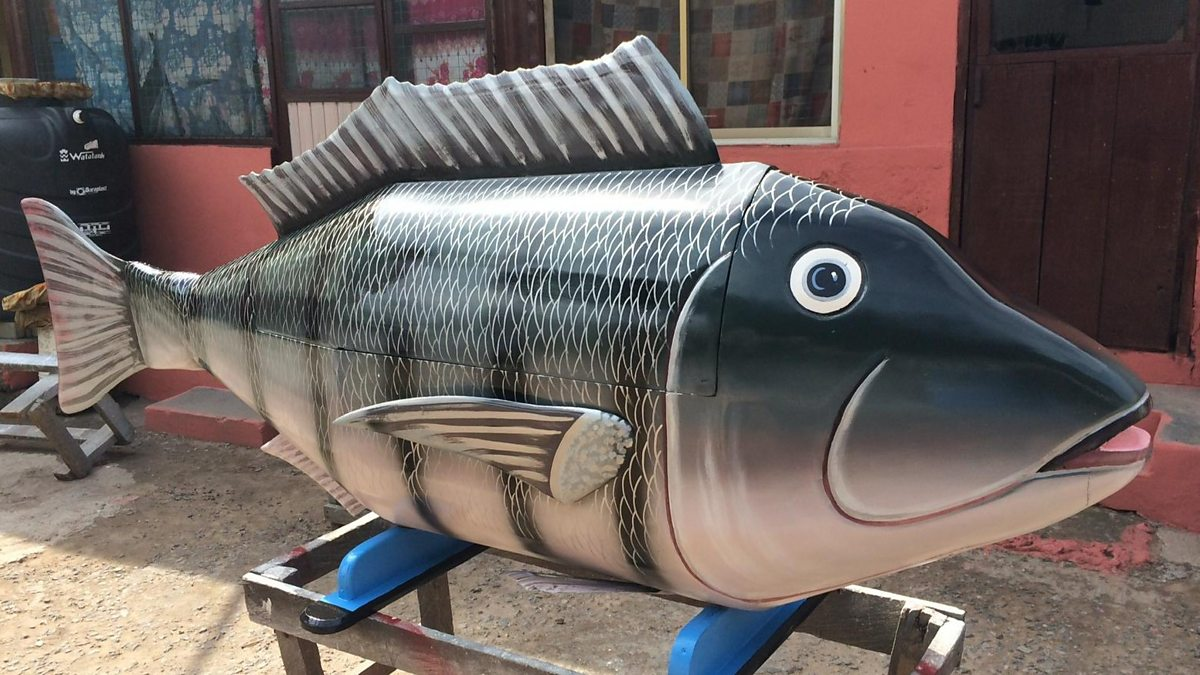
Image Credit: BBC
Ghana’s fantasy coffin culture is a remarkable blend of art, identity, and spiritual expression. It transforms the experience of death into a celebration of life—one that honors the uniqueness of the individual while reinforcing collective values and community pride.
From humble roots in Ga traditions to the halls of major international museums, these extraordinary coffins continue to captivate and inspire. They are more than coffins; they are visual biographies, folk tales in wood and paint, and testaments to a culture that embraces death not with fear, but with color, creativity, and reverence.
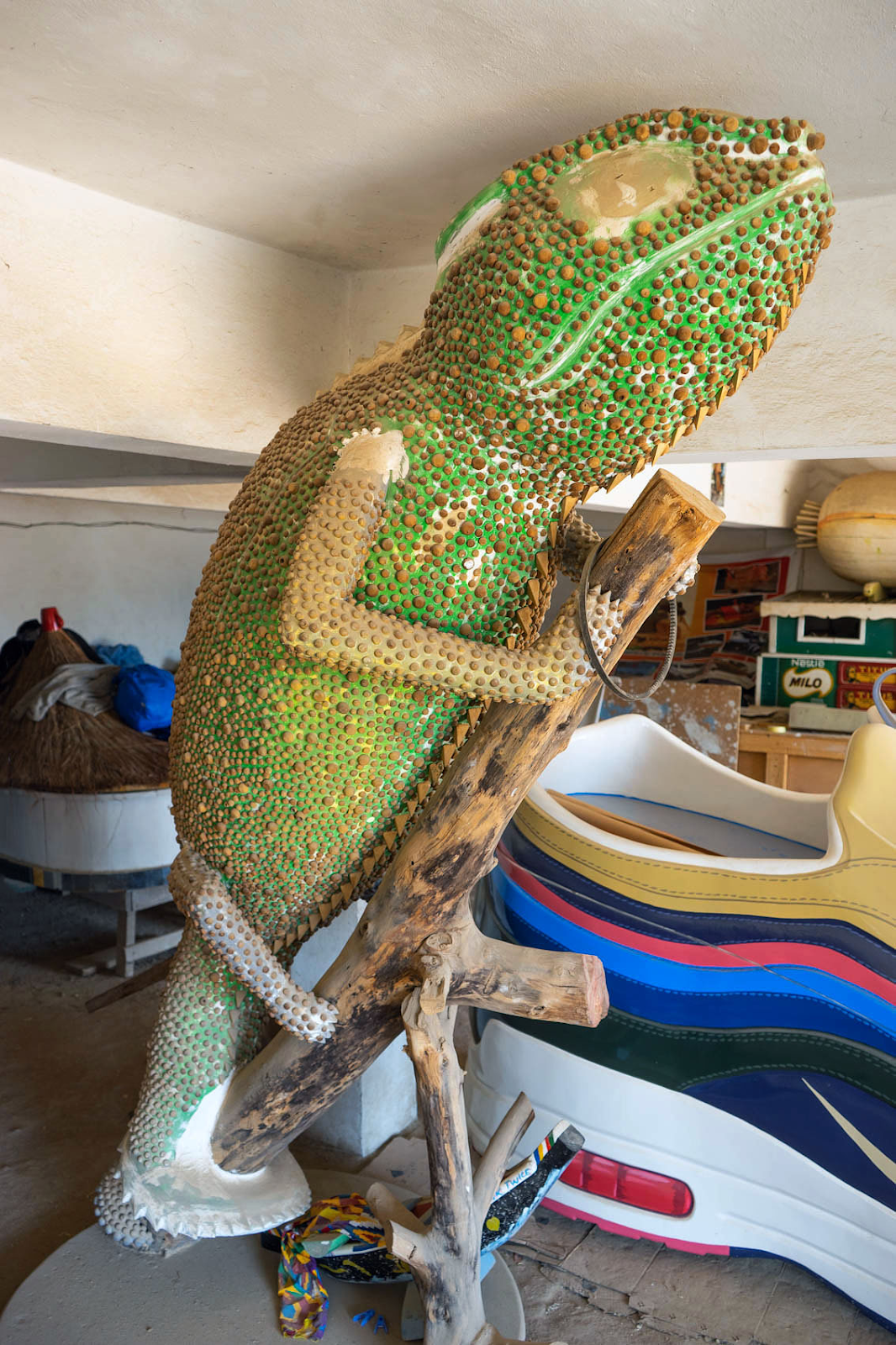
Image Credit: Ghana For 91 Days
Culture
Read Between the Lines of African Society
Your Gateway to Africa's Untold Cultural Narratives.