Chimamanda Did Not Exist Before 2003, and That Might Be the Most African Story Ever Told
The name Chimamanda did not exist before 2003. Learn the real story behind Chimamanda Ngozi Adichie's name, its meaning, and how one cultural invention remodeled modern Igbo naming culture.
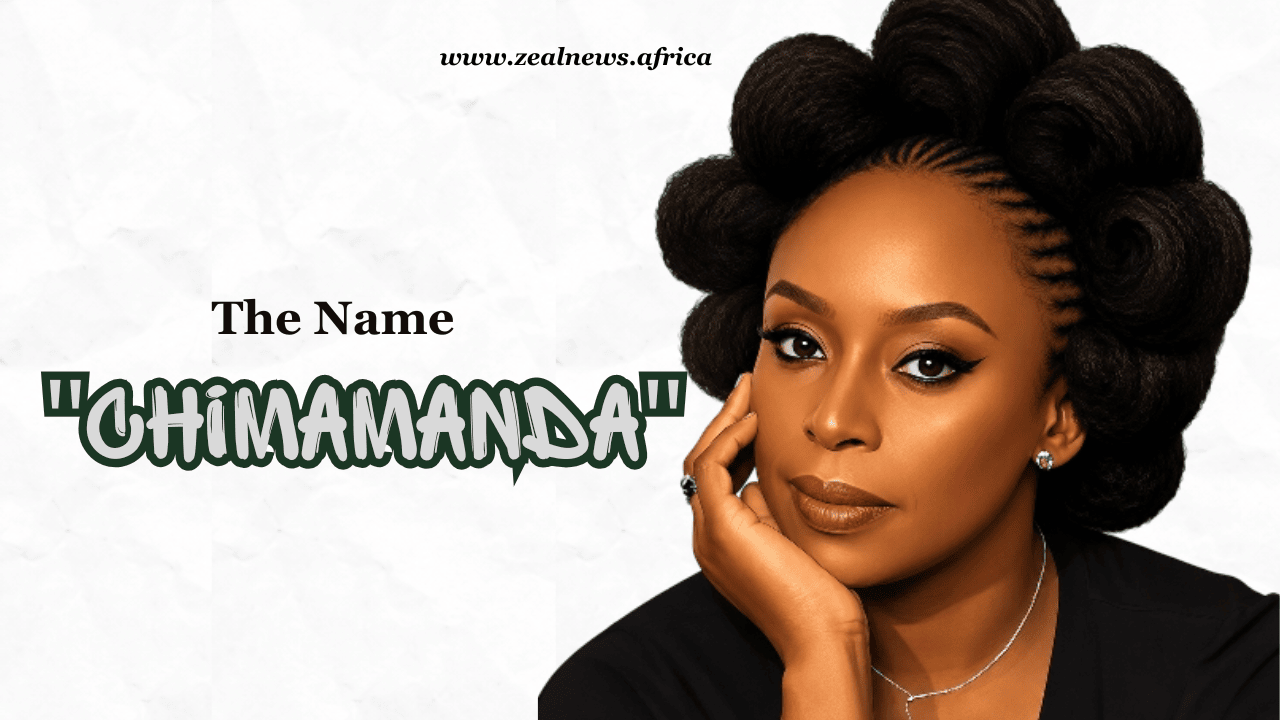
Growing up, you discovered early that your name was not entirely yours. Someone else had carried it before you, a grandparent, an ancestor, an elder, or even a neighbour in the compound whose legacy you were expected to honour simply by answering to the same sound. Nigerian names are rarely just names. They are an heirloom of inheritance, instruction, and most of the time, prayers.
They arrive wrapped in meaning that predates you by generations, and part of growing into yourself is growing into the weight of what you were called before you could speak.
That is why the story of the name Chimamanda does something quietly extraordinary to the mind when you hear it for the first time. Not because it is unusual; by now, it is probably one of the most widely given Igbo names for baby girls anywhere in the world.
But because it did not exist, not in 2000, not in 1995, and not even in 1960 during Nigeria's independence. The name Chimamanda is not in any ancestral register, any village record, or any family tree that stretches back through Igbo history.
The name that sounds like it was carved from the oldest part of Nigerian culture was invented in the early 2000s by the woman who made it famous, and nobody noticed for years until she spoke about it.
The Name That Was Made, Not Found
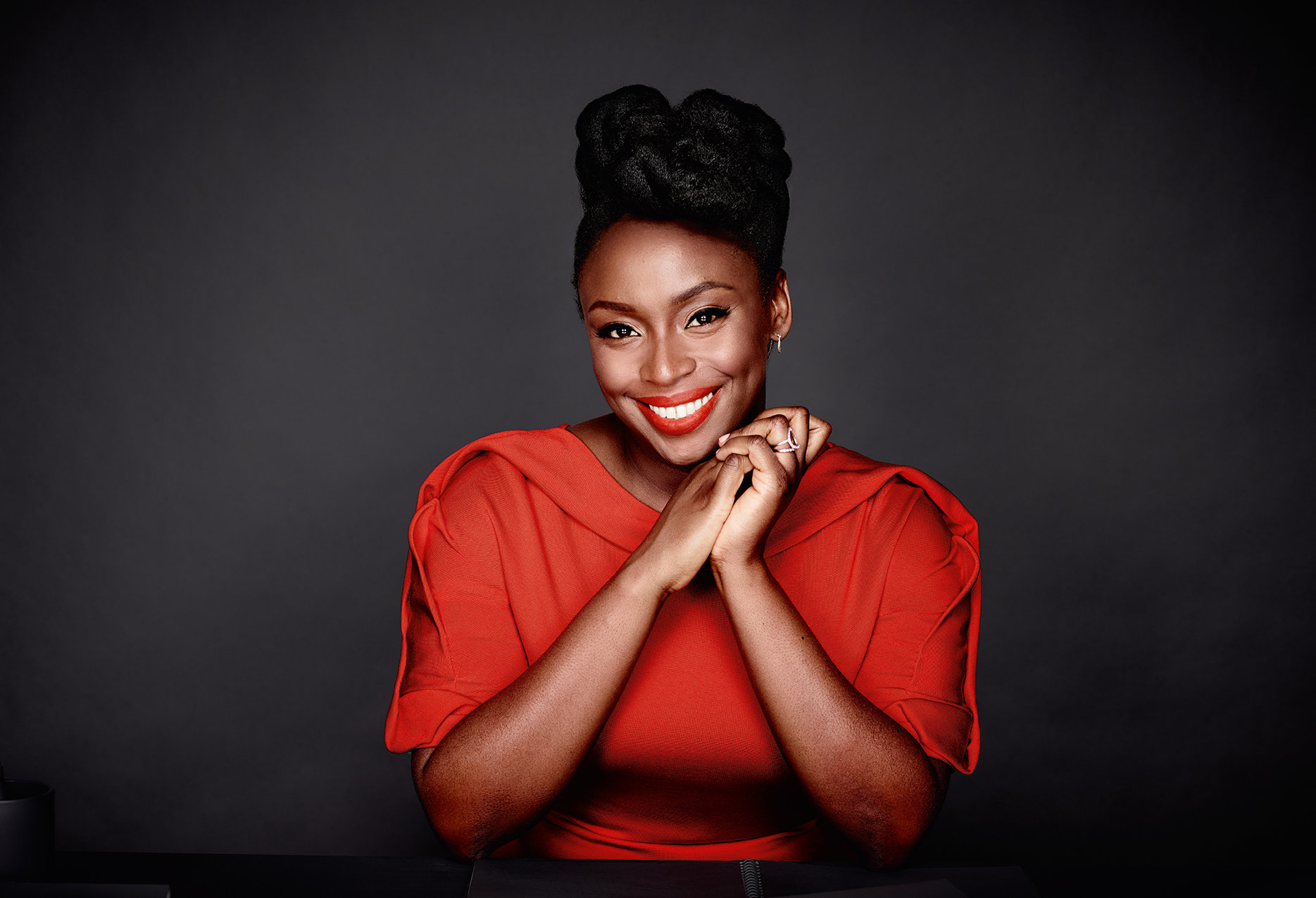
Chimamanda Ngozi Adichie was not born Chimamanda. She was born Grace. Her earliest published work, a 1998 stage play titled For Love of Biafra, was released under the name Amanda N. Adichie.
Amanda was her Catholic confirmation name. Given the chance to choose one during her confirmation, she passed over the saints' names her agemates were selecting and instead borrowed Amanda from a character in a novel she had read.
For years, Amanda stayed with her through secondary school, her first year studying medicine at the University of Nigeria, Nsukka, and even after she moved to the United States for university.
Ironically, the name she had chosen because it felt distinctive suddenly became one of many. Surrounded by several other Amandas, she briefly experimented with Amanda-Ngozi, hoping to hold on to something that felt unmistakably her own. It didn't quite fit either.
The experience would later shape how she thought about adopting an English name that, once she was living in America, no longer felt unique at all.
By the time she decided to embrace a more explicitly Igbo identity as a writer, she faced a practical obstacle that was entirely mundane and entirely Nigerian: her passport, bank accounts, and official records were all tied to Amanda.
Changing the name completely meant changing every document attached to the identity she had already built. Years later, Adichie would recall lying on a narrow bed in her brother's guest room in England when the solution simply came to her.
She kept Amanda and built around it. Chi — meaning God in Igbo — was placed at the front. The result was Chimamanda. She had simply wrapped an Igbo beginning around Amanda, but by what she later described as a happy coincidence of language, the new name already carried its own meaning: My God will never fail me.
A name invented to solve a bureaucratic problem turned out to carry the weight of a prayer. She published Purple Hibiscus in 2003 under the name Chimamanda Ngozi Adichie, and the literary world received it as the debut of someone who had always existed under that name.
Culture
Read Between the Lines of African Society
Your Gateway to Africa's Untold Cultural Narratives.
Nobody questioned it. Why would they? The name sounded Igbo. It carried the cadence of tradition. It sat comfortably alongside Ngozi and Adichie. The assumption that it was ancient was so immediate and so unanimous that it became true in practice before anyone had confirmed it in fact.
An entire generation of parents adopted the name and named their daughters after a word that has now existed for more than two decades.
What Culture Actually Is

When Ebuka Obi-Uchendu eventually asked Adichie about the name, her response was four words: Who says we cannot change culture? It is the kind of answer that sounds simple until you sit with it long enough to feel its implications.
The instinct in most societies, and in Nigerian culture with particular intensity, is to treat culture as something received rather than something made. The assumption is that what existed before you carries more authority than what you might create now.
Tradition is often invoked not to explain something but to end the conversation about it. This is how it has always been. This is what our people do. This is the name your grandmother carried.

But Adichie's name is evidence that culture has never worked that way, even when it presented itself as if it did. Every tradition was invented once. Every name that now feels ancient was spoken for the first time by someone who had never heard it before.
Every practice that feels like inheritance was a choice made by someone who could have chosen differently. The difference between a tradition and a new idea is almost entirely a matter of time and the willingness of enough people to repeat it until it stops feeling new.
Chimamanda felt ancient because it was constructed from ancient parts. Chi and Amanda, two words from two different linguistic worlds, assembled into something that sounded as if it had always belonged to one.
The seam between them was invisible. The construction was so fluent, so organically Igbo in its rhythm and its meaning, that the name passed as received when it was made. That is not deception. That is craft, and it is also, quietly, how culture has always grown.
The Permission the Name Gives
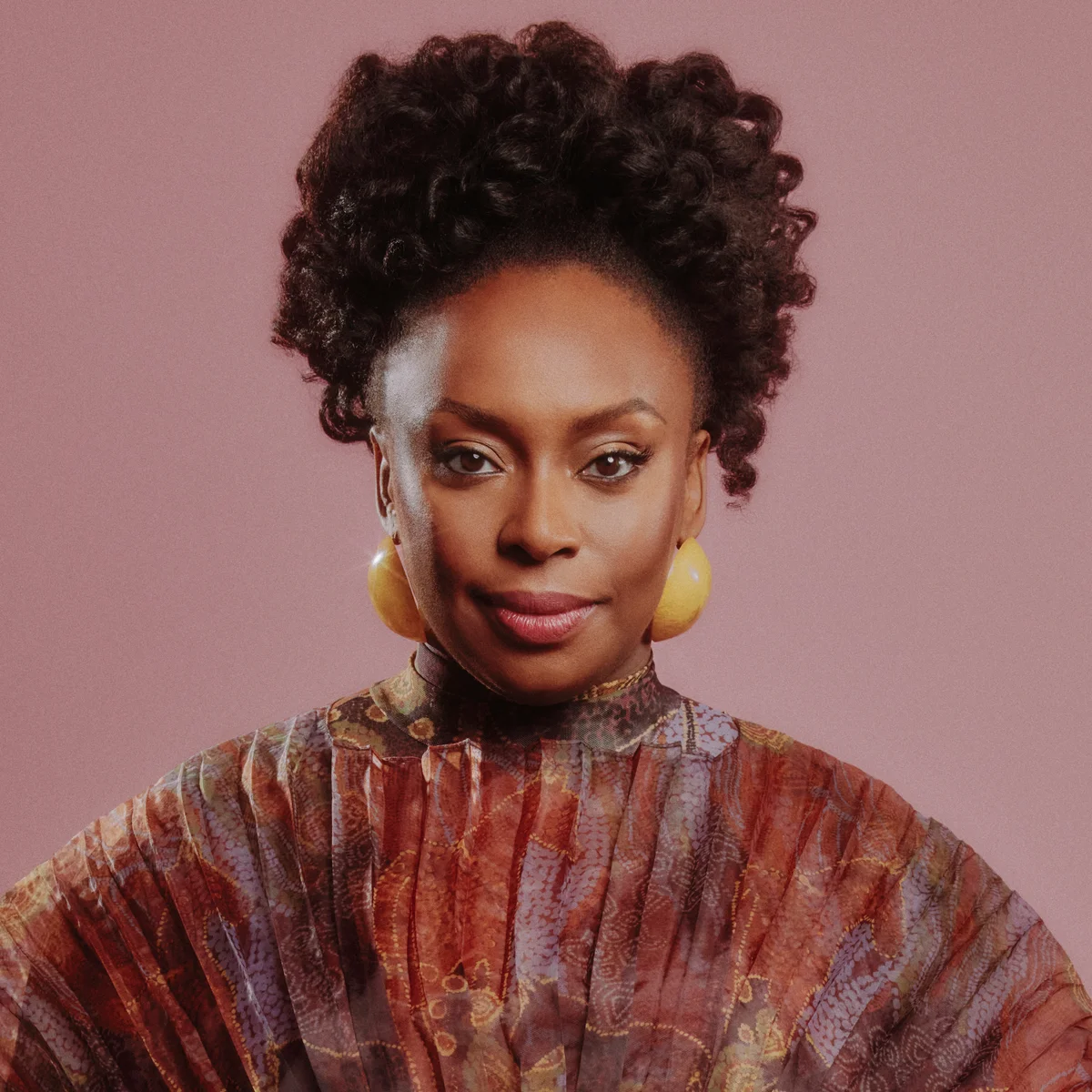
There is a kind of freedom in learning that a name you considered ancestral was invented within your lifetime. Not a deflating freedom, not the kind that diminishes what came before, but the kind that expands what is possible going forward.
If Chimamanda can be created by one woman solving a bureaucratic problem and become one of the most recognisable Igbo names on the planet within twenty years, the argument that culture is fixed, that what exists must remain unchanged, that tradition cannot be extended or reshaped by the living, becomes considerably harder to sustain.
The name is proof that culture is not a museum. It is a living thing, and it grows in the direction that people decide to take it.
Thousands of girls born after 2003 carry the name Chimamanda, and many of them might not know that the woman who gave it to herself is still alive, still writing, still choosing how she presents herself to the world.
Some of them might even grow up as their parents grew up, hearing their name spoken by other people who share it, assuming it stretches back through generations, receiving it as an inheritance. And in twenty more years, it will be an inheritance. The gap between invention and tradition is nothing more than repetition across time.
Culture does not ask permission to evolve. It simply does, and every now and then, someone does it consciously, with intention, with craft, with the quiet confidence of a woman who looked at a bureaucratic obstacle and decided to build something beautiful out of it instead.