Resilience: The Career Skill That Makes the Difference Between Thriving and Stalling
Resilience is a very essential career skill today. It can be built, it matters a lot for professional success in a changing work landscape.
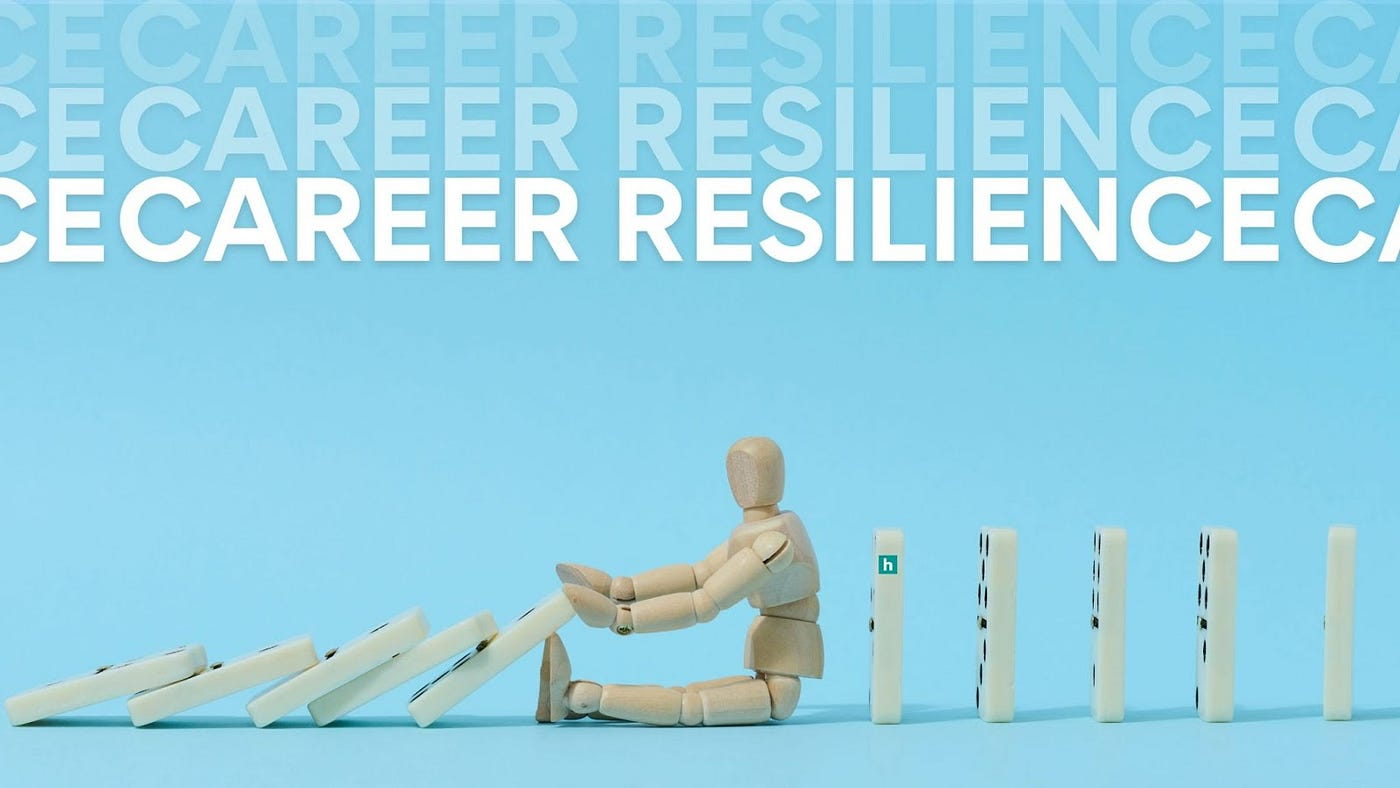
I sometimes read a story of Sheryl Sandberg, former COO of Facebook and author of Option B, who spoke about resilience in one of the most personal ways I have ever heard from a business leader.
She was sharing how, after the sudden loss of her husband, she had to rebuild not just her life but her belief in her own career and purpose and she had to drive into the research of resilience and recovery. She said a lot and I will pick out a good point.
She said the most important thing she learnt is that “we are not born with a certain amount of resilience. It is a muscle, and that means we can build it.”
We build resilience into ourselves.
Her message was simple and powerful: resilience isn’t innate—it’s built like a muscle over time.

That stuck with me because it’s one thing to talk about resilience in theory, and another to see someone at the top of the corporate ladder describe it as the thing that got her through the hardest days of her life and career.
Resilience Matters in Your Career
Think about your own job for a moment.
Maybe you have lost an important account, been passed over for a promotion, or watched changes in your industry make your skills feel outdated overnight.
These are all tests of resilience. Resilience is not about pretending nothing hurts, it’s about recovering and finding your next step when things don’t go as planned.
In the workplace, resilience shows up in less dramatic ways but with just as much impact: when you stay motivated after rejection, adapt to a restructuring, or learn new skills to stay relevant.
These moments quietly build your ability to thrive in unpredictable environments.

The encouraging part of resilience is that it is not something you are born with or without.
It’s a skill you develop, and it begins in how you handle the everyday bumps in the road:
Shift Your Perspective: Instead of asking, “Why me?” try “What can I learn from this?” The way resilient people think often turns setbacks into lessons.
Lean on Support: Friends, mentors, or colleagues can help you keep perspective when you’re too close to the challenge.
Focus on What You Can Control: You might not control external changes, but you can control how you show up and what you do next.
Reflect and Adjust: After failure, ask what worked, what didn’t, and what you might try next time.
Small changes in mindset and routines make a big difference over time. Resilience grows when we consistently choose to act instead of react.
People who bounce back quickly when plans fall apart are often the ones who:
Take on new and challenging roles without hesitation
Learn faster under pressure than their peers
Earn trust and leadership responsibilities
Stay motivated through transitions and change
Jensen Huang, the CEO of Nvidia, has talked openly about how important resilience is for long-term success. He believes that experiencing hardship builds strength and prepares professionals to handle future challenges more effectively.
This perspective is crucial in industries where disruption is constant.
When you hit a roadblock, resilience helps you say, “Alright, what’s next?” instead of “I guess I’m done here.”
Resilient employees aren’t just good at managing their own stress, they improve the organization’s performance.
When people can weather setbacks like financial constraints and even personal issues without collapsing, entire teams become stronger.
There would be so much productivity, creativity isn’t stifled by fear of failure, and people are more willing to take smart risks.
Simple Habits to Strengthen Resilience

You don’t need a dramatic life event to grow resilience. Try these daily habits:
Celebrate small wins: It keeps you motivated and boosts confidence.
Invest in your health: Good sleep, nutrition, and regular movement help your stress response.
Journal or reflect: Taking time to think about what happened and what you learned boosts clarity.
Keep learning: Updating your skills keeps you adaptable as industries evolve.

Over time, these habits build a resilient mindset that carries you through the inevitable ups and downs of work life.
Resilience really isn’t about avoiding hardship, it’s about how you respond to it. It allows you to recover, adapt, and still move forward when things get tough.
In a world where change is constant and uncertainty is the norm, resilience isn’t a bonus.
It is simply a necessity for career success.