Google Unveils Pixel 11 With Powerful AI, Major Camera Upgrades and a $1,900 Foldable
Google unveils the Pixel 11 lineup with major camera upgrades, powerful Gemini AI features, improved zoom, longer battery life and new Pixel Tag tracking devices.Google has officially unveiled its latest generation of Pixel phones, emphasizing significant advancements in camera technology and artificial intelligence. The new lineup aims to provide users with enhanced capabilities, including more powerful zoom and AI features designed to streamline tasks with fewer interactions.
This strategic move by Google is intended to incentivize upgrades among existing users and broaden the adoption of its cutting-edge AI tools, reinforcing the company's commitment to integrating AI deeply into its mobile ecosystem.
At the heart of the new Pixel phones are robust AI innovations. As noted by Forrester senior analyst Andrew Cornwall, Google continues to position new software features, particularly those powered by AI, as the primary compelling reason for users to upgrade. These include the ability to extract photos from videos, a built-in teleprompter, advanced video stabilization, and a significantly improved speech-to-text functionality.
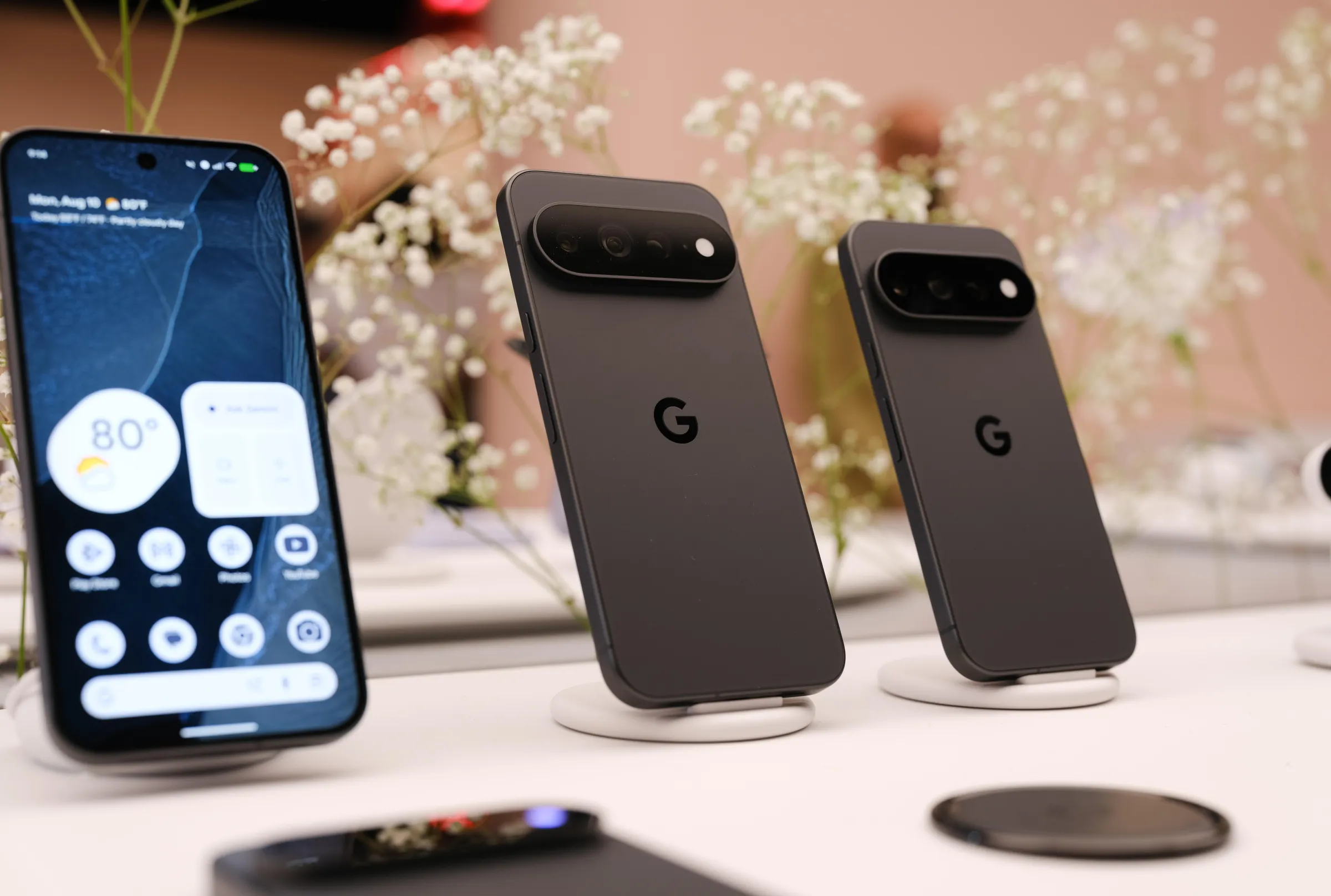
Furthermore, the new devices offer live translation for videos, podcasts, and voice messages, showcasing a comprehensive suite of AI-driven utilities. Google's dedication to increasing AI on Pixel phones dates back to 2023, giving it a lead over competitors like Apple, which only recently announced new AI advances, notably leveragingGoogle’s Gemini AI model.
The camera systems in the new Pixel phones have received substantial upgrades. They now feature slimmer designs while incorporating more powerful zoom capabilities and improved light sensitivity across the board.
For the Pro models, Google introduces 'Instant Night Sight,' which captures high-quality shots in dark environments much faster, eliminating the need for prolonged phone stability during exposure. A new 'Magic Capture' mode simplifies photography by automatically taking a series of photos and video with a single tap of the shutter button, ensuring users never miss a moment.
Google's latest series includes the Pixel 11, Pixel 11 Pro, and Pixel 11 Pro XL, alongside the Pixel Pro Fold. These new phones boast double the previous storage size, starting at 256 gigabytes, and promise an impressive 30 hours of battery life coupled with faster wireless charging capabilities. Google has discontinued the 128-gigabyte Pixel 11, which was previously its most affordable option at $800.
Starting Wednesday, U.S. customers can purchase the Pixel 11 for $900, the Pixel 11 Pro for $1,100, and the Pixel 11 Pro XL for $1,300. The Pixel Pro Fold starts at $1,900. These prices reflect a $100 increase across each model compared to last year's offerings.
Beyond core performance and camera enhancements, the new Pixel Pro models introduce a unique feature called HiLight, allowing users to assign specific colors to favourite contacts. When the phone is placed face down, it lights up in the assigned colour for incoming calls, complementing the existing 'Flip to Shhh' feature that activates 'do not disturb' mode.
Google is also offering a free six-month subscription to its AI Pro plan for buyers of the more expensive Pixel 11 Pro or Pixel 11 Pro XL models, aiming to expand the user base of its Gemini AI toolkit, which competes directly with OpenAI’s ChatGPT.
In a first for the company, Google has also launched a tracking device called Pixel Tag, priced at $30 for a single unit or $100 for a four-pack, compatible with phones running Android 9 or higher.