Petrol Prices Drop by ₦30: Will More Filling Stations Follow?
Some filling stations have cut petrol prices by up to ₦30 per litre—but will other marketers follow?
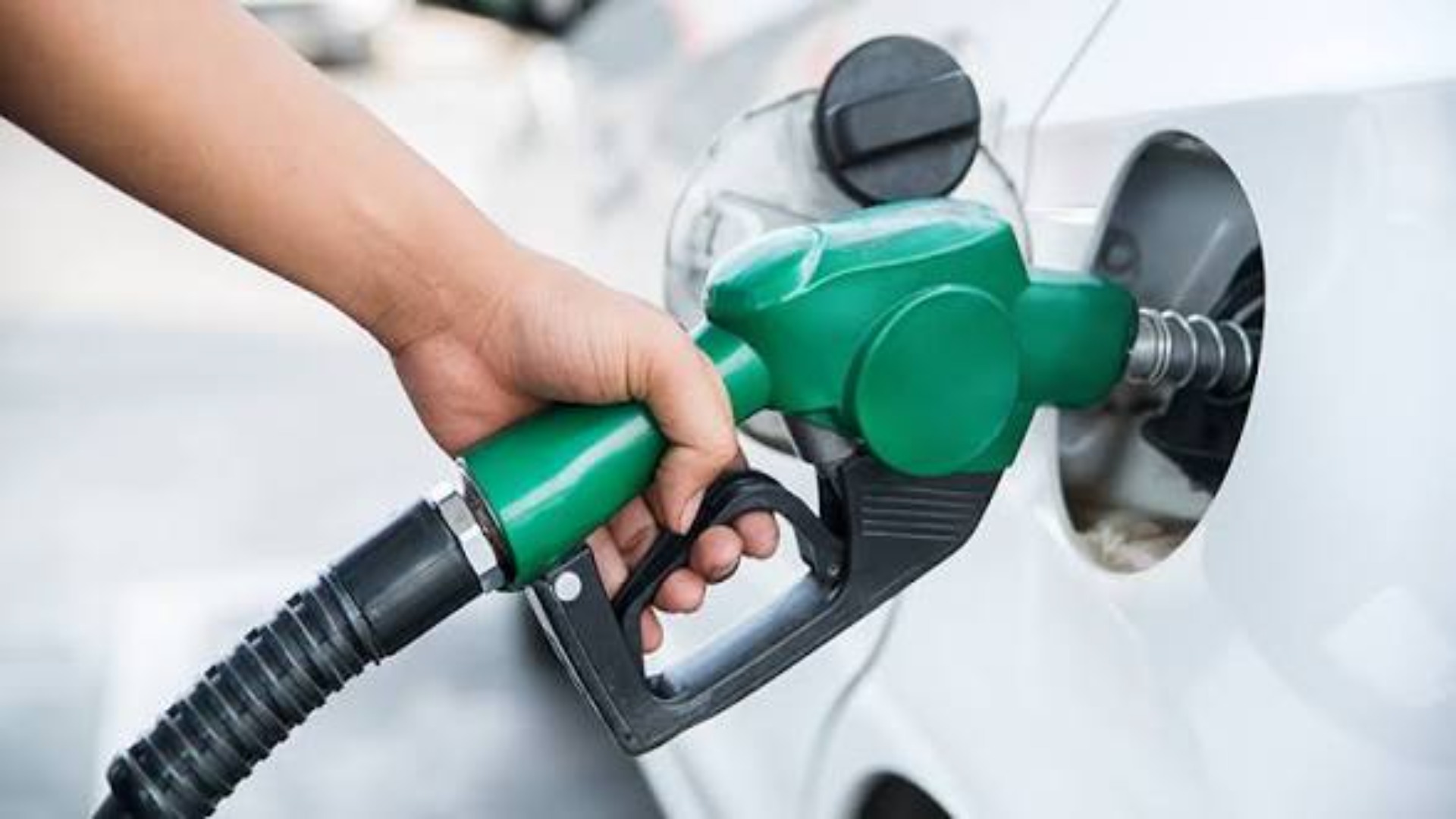
Some filling stations in Nigeria have started reducing their petrol pump prices as competition increases across the downstream petroleum sector, offering motorists a small reprieve after months of elevated fuel costs.
A market survey by DAILY POST found that AA Rano, Mobil and some other filling stations have adjusted their prices downward in Abuja and surrounding areas, although petrol remains relatively expensive.

AA Rano, Mobil Reduce Pump Prices
AA Rano reduced its petrol price from ₦1,450 to ₦1,420 per litre, while Mobil lowered its price from ₦1,435 to ₦1,410 per litre.
That represents reductions of ₦30 and ₦25 per litre respectively.
While the cuts may appear modest, they show how filling stations are responding to changing market conditions and competition for customers.
For a motorist buying 40 litres, a ₦30 reduction translates to ₦1,200 less on a full purchase, while a ₦25 reduction saves ₦1,000.
Petrol Still Costs More Than Many Nigerians Can Afford
Despite the recent reductions, petrol prices remain high, with stations in the market selling between about ₦1,395 and ₦1,450 per litre, according to the report.
For motorists who rely on petrol for daily transportation or businesses that depend on fuel-powered generators, even small changes in pump prices can affect weekly and monthly expenses.
The question is therefore whether the latest reductions will spread to more filling stations or remain limited to selected locations.
Falling Crude Prices Add Pressure to Pump Prices
The price adjustments come as international crude oil prices fell, with Brent crude trading at around $103 per barrel and West Texas Intermediate (WTI) at about $100.30 at the time of the report.
Crude oil prices are an important factor in the economics of petroleum products, although pump prices in Nigeria can also be affected by exchange rates, import or supply costs, logistics, taxes and other downstream-market factors.
This means a decline in crude prices does not automatically translate into an equivalent reduction at Nigerian filling stations..
Could Competition Bring More Relief?
The recent price cuts raise a bigger question: if some filling stations can reduce their prices, will others follow?
Competition among marketers can put pressure on stations to offer more attractive prices, particularly when consumers have more options.
For Nigerian motorists, the bigger relief would come if lower prices are sustained and become more widespread rather than remaining isolated adjustments.

For now, the ₦25 to ₦30 reductions may look small, but in a market where every litre matters, even modest price movements can make a difference.
Conclusion
Nigeria's petrol market remains sensitive to changes in crude prices and other costs, but the latest reductions show that pump prices are not completely static.
When fuel prices fall by even a few naira, the real question is not just how much motorists save today, but whether the reduction is the beginning of a wider trend.