Does Eating Healthy Mean Giving Up Your Favourite Foods?
Healthy eating doesn’t have to mean giving up your favourite foods—but can you enjoy them without compromising your health?
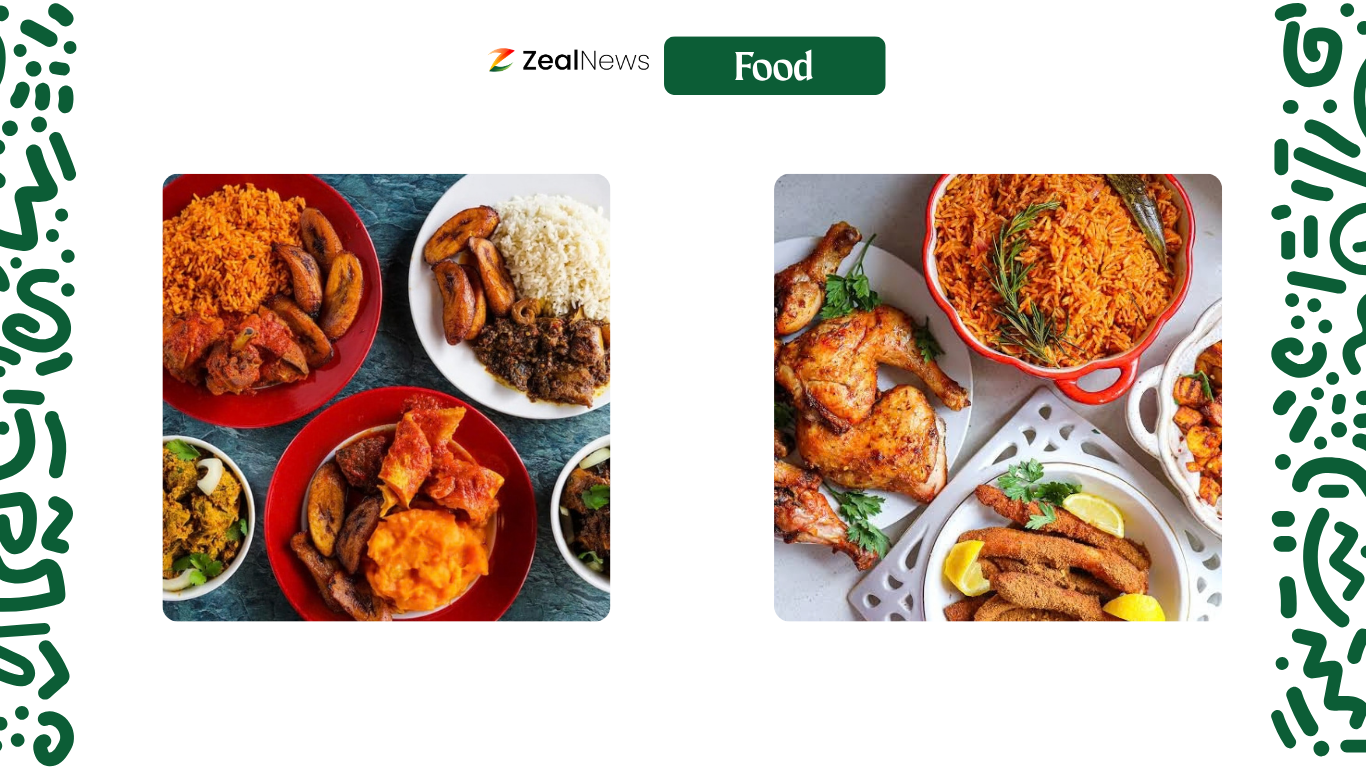
Imagine being told that to eat healthy, you have to give up the jollof rice you love, stop eating fried chicken, avoid snacks and say goodbye to the cake you look forward to at celebrations. After hearing all that, would you still be excited about eating healthy?
For many people, that is exactly how healthy eating is presented—as a long list of foods they are no longer allowed to enjoy.
According to the World Health Organization, a healthy diet has four main principles; adequacy, balance, moderation and diversity.
But food is not only about nutrients. It is also about culture, family, celebrations and, quite simply, pleasure. So if eating healthy makes you miserable, is it really an eating pattern you can maintain?
Perhaps the better question is not “What foods should I stop eating?” but “How can I eat the foods I love while giving my body what it needs?”
Healthy Eating Is Not the Same as Eating Perfectly
One of the easiest ways to misunderstand healthy eating is to think that every meal has to be perfectly nutritious.
In reality, what you eat regularly matters more than whether you occasionally have a meal that is less nutritious.
Someone can eat vegetables, fruits, whole grains, beans and other nutritious foods most of the time and still enjoy a burger, fried chicken, cake or a plate of their favourite meal occasionally.
The problem is not necessarily that a particular food is “bad.” It can be the amount, frequency and overall pattern of eating.
A favourite meal does not suddenly cancel out everything healthy you have eaten simply because you had it once.
What Does a Balanced Meal Actually Look Like?
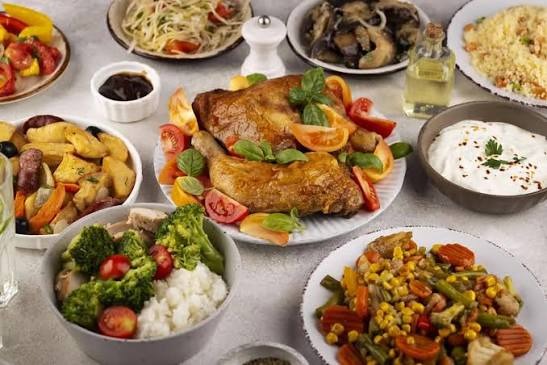
Sometimes the easiest way to understand healthy eating is to stop thinking about individual foods and look at the whole plate.
For example, instead of having a large plate of white rice with very little else, you could have a moderate portion of rice with beans, vegetables and a source of protein such as grilled fish, chicken or eggs. You are still eating rice, but the meal has more variety.
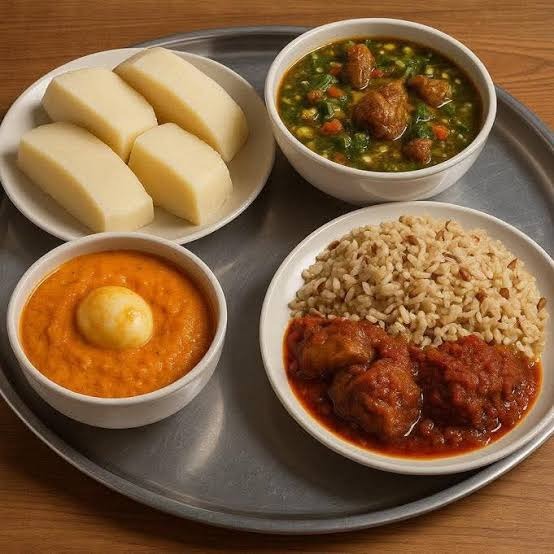
If you enjoy jollof rice, you do not necessarily have to remove it from your diet. You could have a reasonable portion with grilled chicken or fish and a generous serving of vegetables or salad.
If you prefer fried chicken, you could have it occasionally while making the rest of the meal more balanced.
For someone who enjoys yam, boiled or roasted yam can be paired with eggs, beans, fish or vegetable-based sauce. You can still enjoy the yam without making it the only major part of the meal.
Beans and plantain can also work as a balanced meal. A moderate portion of plantain with beans and vegetables can provide a combination of carbohydrates, protein and fibre.
The same idea can apply to foods such as eba, amala or pounded yam: rather than eliminating them, pay attention to the portion and include a nutritious soup with vegetables and a source of protein such as fish, chicken or lean meat.

Breakfast does not have to be complicated either, because withoats mixed with milk andfruit, boiled eggs with whole-grain bread and fruit,or beans with a small portion of plantain can provide more variety than a breakfast built mainly around sugary or highly processed foods.
These are not strict meal rules. They are examples of how familiar foods can fit into a balanced eating pattern.
What If You Changed How You Eat Your Favourite Foods?
Sometimes healthy eating is less about removing a food and more about changing how often you eat it or how it is prepared.
For example, instead of completely avoiding fried foods, someone might eat them less frequently and include more vegetables, beans or other nutritious foods in their regular meals.
A favourite dish could also be prepared with less oil or served with a more balanced combination of foods.
You can also make simple swaps without completely changing your meals. Grilled or baked chicken can sometimes replace fried chicken, while fruit can be added alongside breakfast instead of relying entirely on pastries or sugary drinks.
This does not mean every traditional meal needs to be completely redesigned. Food is also connected to culture, family and enjoyment.
A Nigerian family gathering, for example, is not necessarily going to feel complete because someone brought a bowl of salad.
The goal is not to make food boring. It is to create a pattern of eating that gives your body the nutrients it needs while still leaving room for enjoyment.
Why Extreme Food Rules Can Be Difficult to Maintain
When people create very strict food rules, they may find it difficult to maintain them for a long time. Someone who decides they can never eat cake again may eventually have a slice and feel as though they have failed completely.
That mindset can turn one indulgence into an excuse to abandon the entire plan.
A more realistic approach can be to understand that eating habits are built over time. You do not have to eat perfectly every day to make healthier choices.
There is also a difference between occasionally enjoying a favourite food and relying heavily on foods that are high in added sugar, salt or saturated fat while having very little variety in the overall diet.
Healthy eating is about the bigger picture.
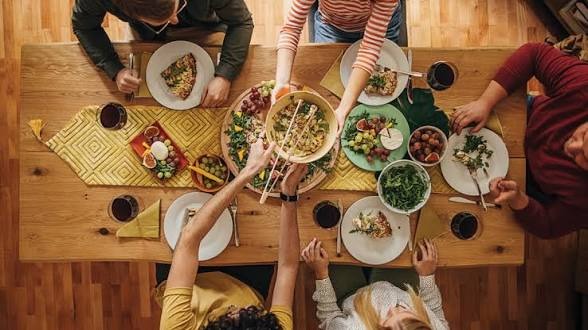
Can You Eat for Your Health and Still Eat for Pleasure?
Food does more than provide calories and nutrients, and it can be part of celebrations, memories and everyday happiness.
Your mother's cooking may remind you of home. A particular snack may remind you of childhood. Your favourite meal may simply be something you genuinely enjoy.
There is nothing inherently wrong with enjoying food.
The important question is whether your overall eating pattern provides enough variety and nutritious foods while keeping foods that are less nutritious in reasonable amounts.
Perhaps healthy eating should not be viewed as choosing between “food that is good for me” and “food that makes me happy.” There can be room for both.
The bigger challenge is learning where each type of food fits.
Conclusion
Eating healthy does not necessarily mean giving up your favourite foods forever. It can mean eating them less often, choosing portions that make sense for you, preparing some foods differently and making nutritious foods a regular part of your meals.
You do not have to turn every meal into a health project, just as you do not have to treat every favourite food as something forbidden.
Maybe the better question is not “What foods must I stop eating?” but “What kind of eating pattern can I actually maintain while still enjoying my food?”
Because a healthy diet that you cannot live with may be difficult to maintain, while a balanced approach can leave room for both nutrition and enjoyment.
“Healthy eating should not make you afraid of food; it should help you understand how to enjoy it wisely.”