Our Grandmothers Were Influencers: The Secret Power Networks of African Women
Before influencers and Wi-Fi, African women mastered the art of influence, through gossip, markets, church choirs, and stories that built empires.
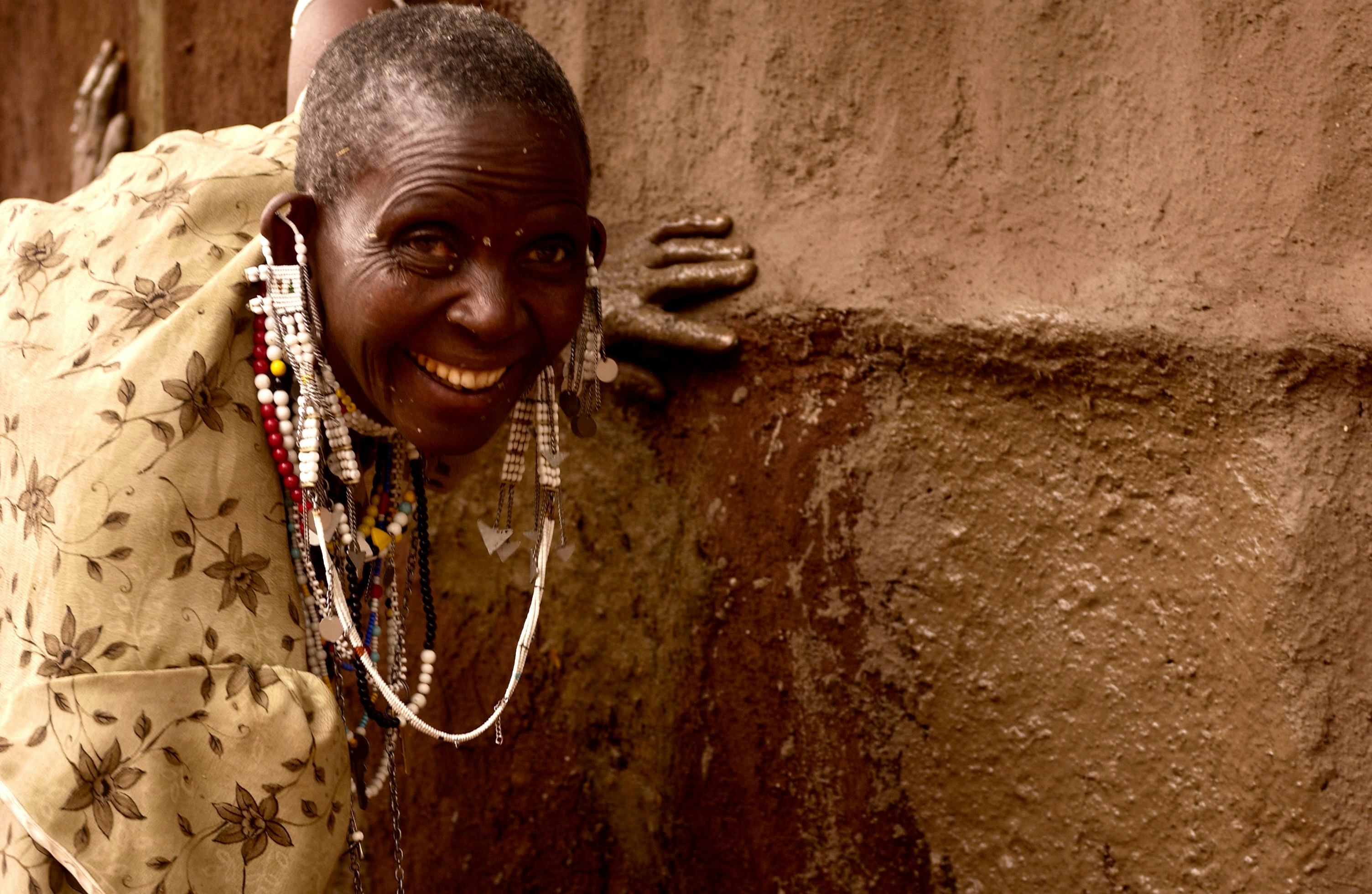
In the days before hashtags and hype, African women shaped public opinion with conversation alone. The market square was their newsroom, the courtyard their press office. News traveled through hairstyles, songs, and shared pots of soup. Long before the internet, African women were already networking; offline, organic, and unbelievably effective.
The Original Networkers
In pre-colonial Africa, community was currency. Women weren’t just homemakers; they were broadcasters, mediators, and mobilizers. Among the Yoruba of West Africa, women gathered in marketplaces that doubled as centers of power. Traders formed associations, fixed prices, and even sanctioned politicians through organized boycotts, long before “cancel culture” had a name.
One legendary figure, Madam Tinubu, used her wealth and charisma in 19th-century Lagos to influence politics and trade. She wasn’t tweeting, but she was trending her reach extended from Abeokuta to the Gold Coast. What modern marketers call “word-of-mouth strategy,” Tinubu mastered through charisma and storytelling.
Gossip as Strategy
To call African women “gossipers” was once meant as insult. But gossip, in its original sense, meant community talk, the same tool that built trust, spread information, and maintained accountability. In villages from Kenya to Ghana, women’s evening gatherings functioned as local newsrooms.
Anthropologists like Ifi Amadiume have written extensively on how these networks of talk maintained moral order. Secrets weren’t just shared, they were curated. “Gossip was power,” one Nigerian elder once told researchers, “because you could shape reputation with your words.”
Sound familiar? Today, influencers shape brands through the same social currency: attention, trust, and narrative control.
The Market Queens and Their Kingdoms
Across West Africa, the “market queen” system gave women authority over entire sectors of the economy. In Accra, the Ga and Akan communities appointed queens who coordinated pricing, settled disputes, and even provided social welfare for members.
One of the most famous, Nana Afia Kobi Serwaa Ampem II, served as the Queen Mother of the Ashanti Kingdom, a traditional influencer long before brand partnerships. When she spoke, markets listened.
These matriarchs had reach, authenticity, and influence that made or broke reputations. They shaped trends, from what cloth was fashionable to what foods defined seasons. The market was their platform, and every customer was a follower.
Church Mothers, the Spiritual Influencers
In colonial and post-colonial Africa, church became the new stage. Women formed fellowships that doubled as social and financial networks. Groups like the Christian Women’s Fellowship and Catholic Women’s Organisation of Nigeria (CWO) mobilized thousands of women across regions, organizing charity, education, and even political campaigns.
Church mothers crafted their influence through performance: white lace, matching uniforms, coordinated singing. Their annual conventions were cultural events. “The fellowship,” says historian Ayodele Ogundiran, “was Facebook before Facebook; full of praise posts, likes, and mutual support.”
And unlike many digital influencers today, they wielded trust; the real currency of persuasion.
Beauty Parlours and the Politics of Style
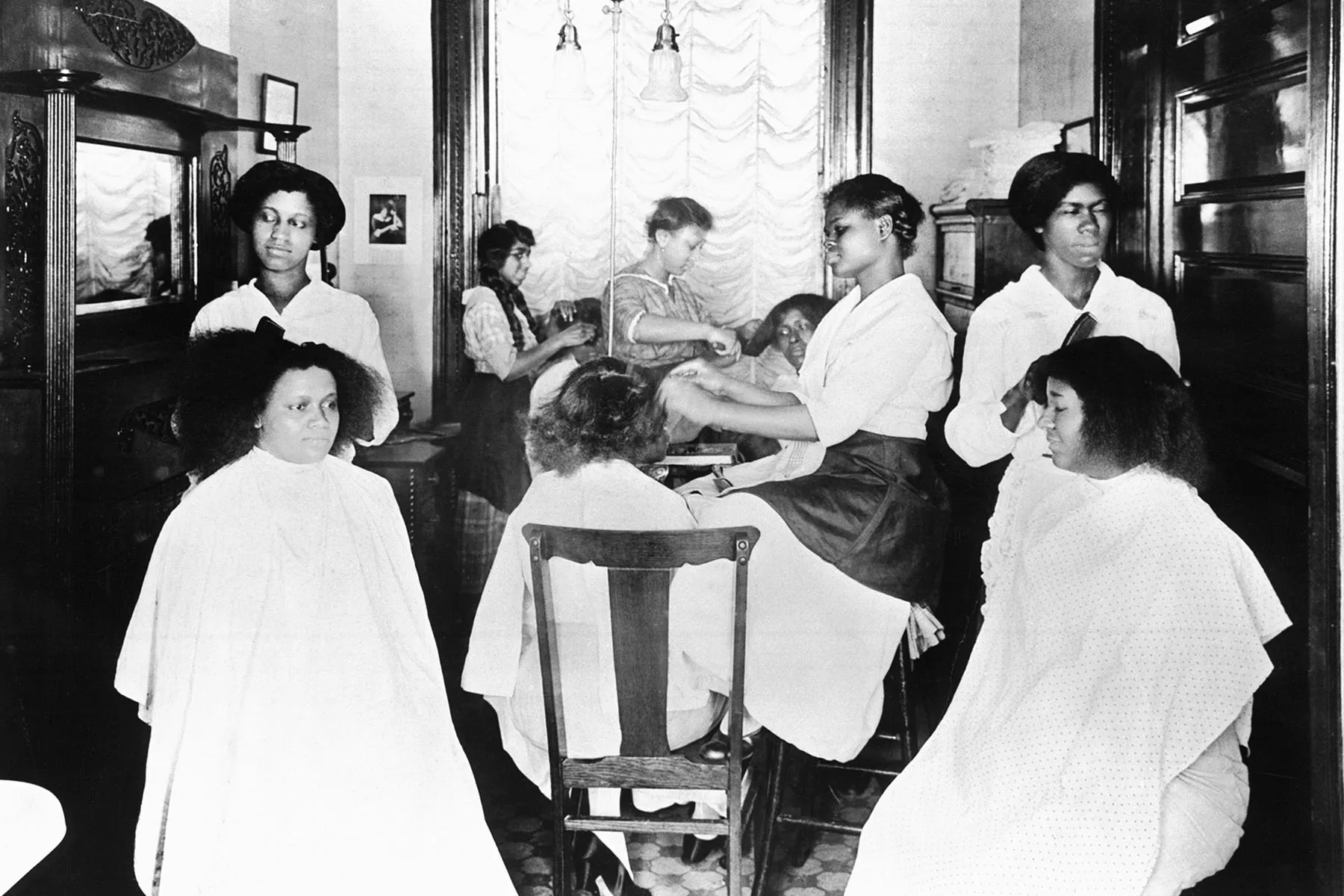
By the 1960s, hair salons and tailoring shops became the informal headquarters of female conversation. Women gathered to exchange information while their hair was braided or their dresses fitted. These parlours became mini-networks; hubs of news, mentorship, and social commentary.
Fashion and beauty were not vanity; they were soft power. The gele that towering Nigerian headwrap was both statement and signal. A high, flamboyant gele said celebration. A simple one said mourning. Each color and fold conveyed identity, tribe, even marital status.
Culture
Read Between the Lines of African Society
Your Gateway to Africa's Untold Cultural Narratives.
Stylists became opinion leaders. They advised, mediated conflicts, and sometimes arranged marriages. Their influence rippled through communities. “Your stylist knew everything,” one woman from Ibadan recalled. “She could tell you who was getting married, who was moving abroad, she was the algorithm.”
The Matrons of Memory
Even beyond the visible networks, grandmothers were the original content creators. Through folktales, riddles, and songs, they preserved moral codes and transmitted values across generations.
Projects like the African Storybook Initiative now digitize traditional tales once told by firelight. But in their original form, these performances were social glue nightly “content drops” that taught empathy, bravery, and justice.
The griots of Senegal, the women praise singers of the Igbo, the lullaby composers of the Zulu; all were storytellers who entertained and educated long before screens. In the oral world, narrative wasn’t just art; it was survival.
When Women Went Viral
Social media didn’t invent virality, it just accelerated it. In 1929, thousands of Igbo and Ibibio women launched what became known as the Aba Women’s War; a massive protest against colonial taxation.

The mobilization began through song, gossip, and the age-old method of “sitting on a man”, a form of public shaming protest. Within weeks, tens of thousands joined from multiple towns. No hashtags. No Wi-Fi. Pure influence.
Their actions forced the British to review policies and recognize women’s political agency. It was, quite literally, the first time an African protest went viral.
Networks of Care and Credit
Long before crowdfunding, women used rotating savings groups known as esusu in Nigeria or stokvels in South Africa to fund one another’s businesses, weddings, and emergencies.
These groups ran on trust, peer pressure, and reciprocity. “If you defaulted, your reputation died,” says a 1978 report by the UN Economic Commission for Africa. “Reputation was your credit score.”
Every contribution meeting was part social event, part accountability ritual. Members dressed up, sang, shared food, and discussed local politics. It was finance wrapped in friendship, a communal model that fintech startups are only now rediscovering.
In that sense, African women were running their own LinkedIn and GoFundMe centuries before either existed.
Lessons from the Offline Influencers
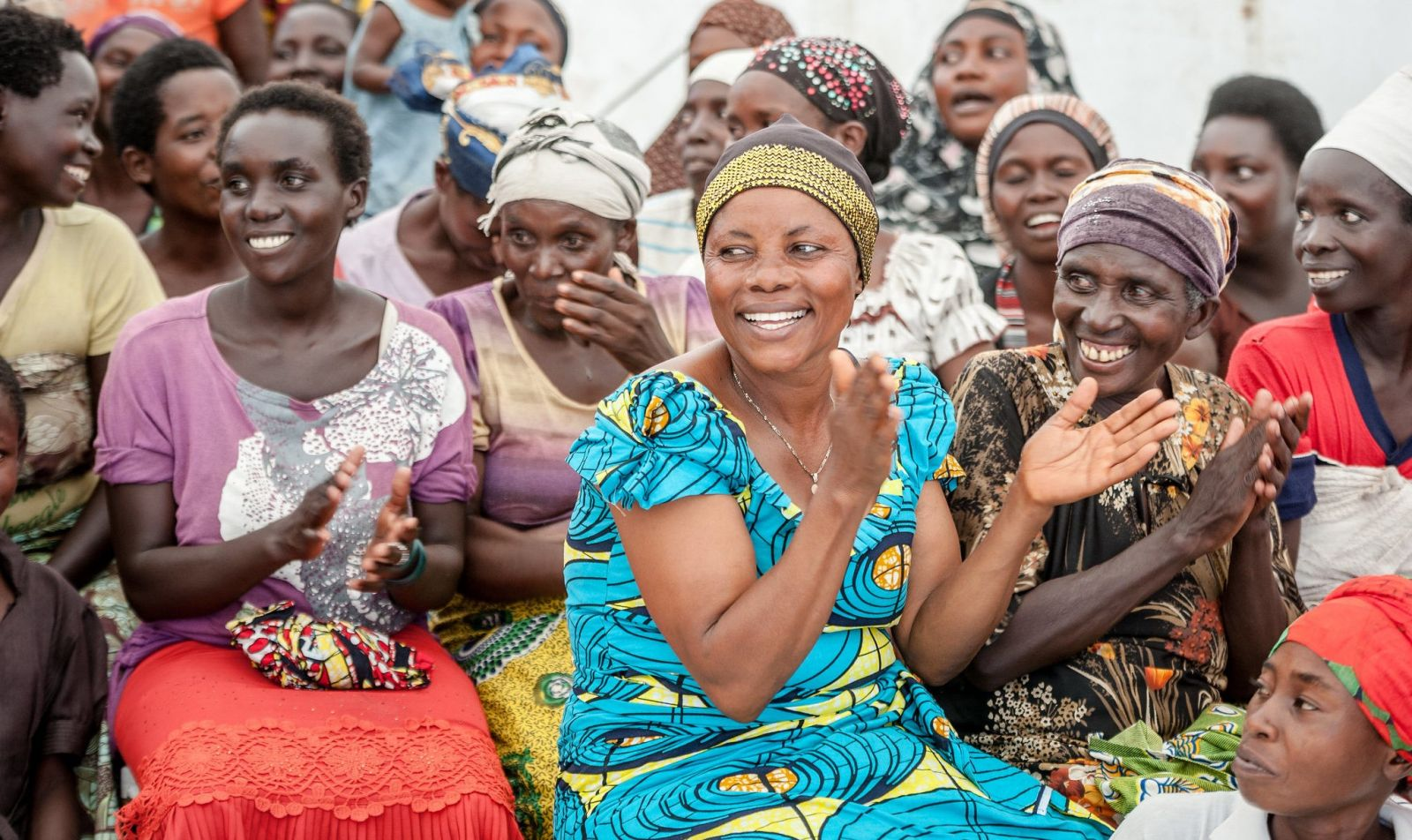
The women who held society together without digital tools offer lessons for today’s online creators. Their influence came not from vanity, but from service, from being useful, consistent, and trusted.
A grandmother’s authority didn’t depend on follower counts. It came from community respect. A market queen’s success wasn’t measured in likes, but in livelihoods she supported. Influence was moral, not algorithmic.
As Nigeria and other African nations navigate misinformation, toxic social media, and influencer fatigue, perhaps it’s time to look backward for guidance. Our grandmothers understood that true influence means shaping hearts, not just headlines.
From Oral to Digital: The Circle Closes
Today, as young Africans dominate TikTok and YouTube, the same patterns return. Communities form around dance challenges, cooking tutorials, and book clubs; modern versions of village gatherings. Storytelling still sits at the center; the technology just changed.
Culture
Read Between the Lines of African Society
Your Gateway to Africa's Untold Cultural Narratives.
The new generation of African creators, from Kenya’s Elsa Majimbo to Nigeria’s KieKie, draw from a long lineage of women who used charisma, humor, and wisdom to command attention. The difference? Now the audience is global.
In many ways, digital influencers are simply continuing what our grandmothers perfected, connection as culture.
hoes the songs sung in the markets of Ibadan, every trending challenge mirrors the performances of the griots, every comment thread resembles the chatter of a church fellowship. Influence, in African culture, was never new. It was just renamed.
And maybe, just maybe, the internet is Africa’s way of remembering what it already invented.