Iran Shuts Strait of Hormuz And Threatens Naval Action Amidst Oil Market Panic
A severe escalation in the Middle East has seen Iran close the Strait of Hormuz, threatening maritime traffic and triggering widespread retaliatory strikes following US and Israeli attacks. This has led to surging oil and gas prices, significant regional disruptions, and increasing humanitarian and nuclear safety concerns. Casualties are mounting as diplomatic efforts falter amid heightened tensions.
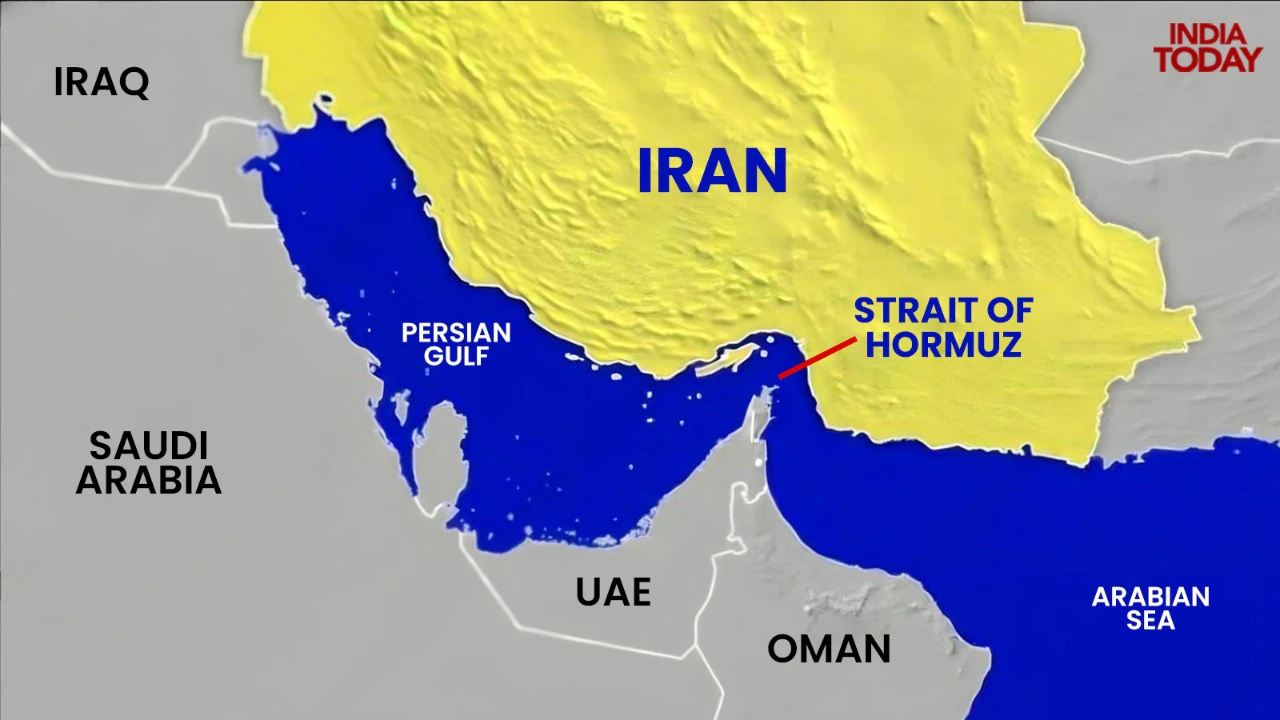
The Middle East has entered a perilous new phase after Iran declared the Strait of Hormuz closed to all shipping, with its Revolutionary Guards warning they would fire on any vessel attempting passage.
The announcement comes amid an intensifying conflict that reportedly began on February 28, with coordinated US and Israeli strikes on Iranian targets, triggering sweeping retaliatory attacks across the region.
Tehran’s move to block one of the world’s most critical maritime chokepoints represents a dramatic escalation with far-reaching geopolitical and economic consequences.
The Strait of Hormuz, a narrow corridor between Oman and Iran, is indispensable to global energy flows.
At its narrowest point, the waterway measures just 33 kilometers wide, with shipping lanes only about 3 kilometers in each direction.
According to reports, more than 20 million barrels of crude oil, condensates, and refined fuels transit the strait daily—roughly one-fifth of global oil consumption.
Major OPEC producers including Saudi Arabia, Iran, the United Arab Emirates, Kuwait, and Iraq depend heavily on this route, as does Qatar, which ships nearly all its liquefied natural gas exports through the corridor.
Even before the formal closure, shipping activity had slowed amid fears of attack, compounded by earlier drone and missile strikes by Iran-aligned Houthi militants in nearby waterways.
Hostilities have widened beyond maritime threats.
Iran has launched multiple missile barrages against Gulf states hosting US military bases, including Qatar, Kuwait, and Bahrain, while also targeting the United Arab Emirates, Saudi Arabia, and Oman.
Airspaces across much of the region have been closed, schools and businesses shuttered, and governments placed on high alert.
The US State Department has urged American citizens in over a dozen Middle Eastern countries to depart due to security concerns.
Energy Shockwaves and Military Escalation
Global energy markets have reacted sharply to the crisis. Brent crude briefly surged to $82 per barrel, while natural gas prices spiked after QatarEnergy halted production following drone strikes on facilities in Ras Laffan Industrial City and Mesaieed.
Saudi Aramco also temporarily shut its major Ras Tanura refinery after sustaining drone damage.
International shipping traffic near the Strait of Hormuz has reportedly slowed to a near standstill, raising fears of prolonged supply disruptions and sustained price volatility.
The ripple effects are being felt globally, with refineries and fuel markets adjusting to the heightened uncertainty.
From Washington’s perspective, President Donald Trump declared that US forces were “knocking the crap” out of Iran and warned of a larger offensive wave ahead.
The White House reported the deaths of 49 senior Iranian leaders in the initial strikes.

Defense Secretary Pete Hegseth outlined objectives that include dismantling Iran’s missile and naval capabilities and preventing the country from acquiring nuclear weapons.
In a significant setback, three US F-15E Strike Eagle jets were accidentally shot down by Kuwaiti air defenses in a friendly fire incident during Operation Epic Fury, though all crew members ejected safely.
Humanitarian and nuclear risks are mounting as the conflict deepens.
The International Committee of the Red Cross has warned that expanding hostilities could overwhelm relief operations, while the head of the UN nuclear watchdog cautioned about potential radiological dangers despite no confirmed damage to nuclear installations.
Civilian infrastructure across the region has suffered heavy damage, including airports, residential developments, and strategic facilities.
Casualty figures continue to rise, with hundreds reported killed in Iran and additional fatalities in Israel and among US forces.
As diplomatic channels struggle to gain traction, the closure of the Strait of Hormuz shows the gravity of a crisis that threatens not only regional stability but the broader global economic order.