Nigerians’ Money Culture: What Are We Actually Spending All This Money On?
Nigerians say money is tight, but the spending tells another story. From ₦4.6 trillion on food to billions on betting, weddings and ride hailing, where is all the money going?
FIRST, I need to convince you that NIGERIANS ARE RICHHHHHHHHHH!!!!!!
Because what else do you call a people who can collectively spend trillions of naira on food outside the house, billions on betting, over a trillion on weddings and hundreds of billions on moving around in cars ordered from their phones?
We may complain about the economy every morning, but apparently our money has somewhere else to be.
And no, I am not saying Nigerians are secretly sitting on piles of cash. I am saying that if you want to understand how Nigerians actually spend money, you have to look beyond salary figures and bank balances.
Somewhere between “things are hard” and “please send me 5k, I will pay you back tomorrow,” there is an economy powered by restaurants, betting apps, owambes and ride-hailing.
So, in the spirit of financial investigation, let us examine where all this money is going.
Take a walk with me.
1. Nigerians Spent ₦4.6 Trillion Eating Outside the House
Let us begin with food because apparently cooking at home is a suggestion.
According to Nigeria’s National Bureau of Statistics, Nigerian households spent about ₦4.6 trillion on food consumed outside the home in 2019.
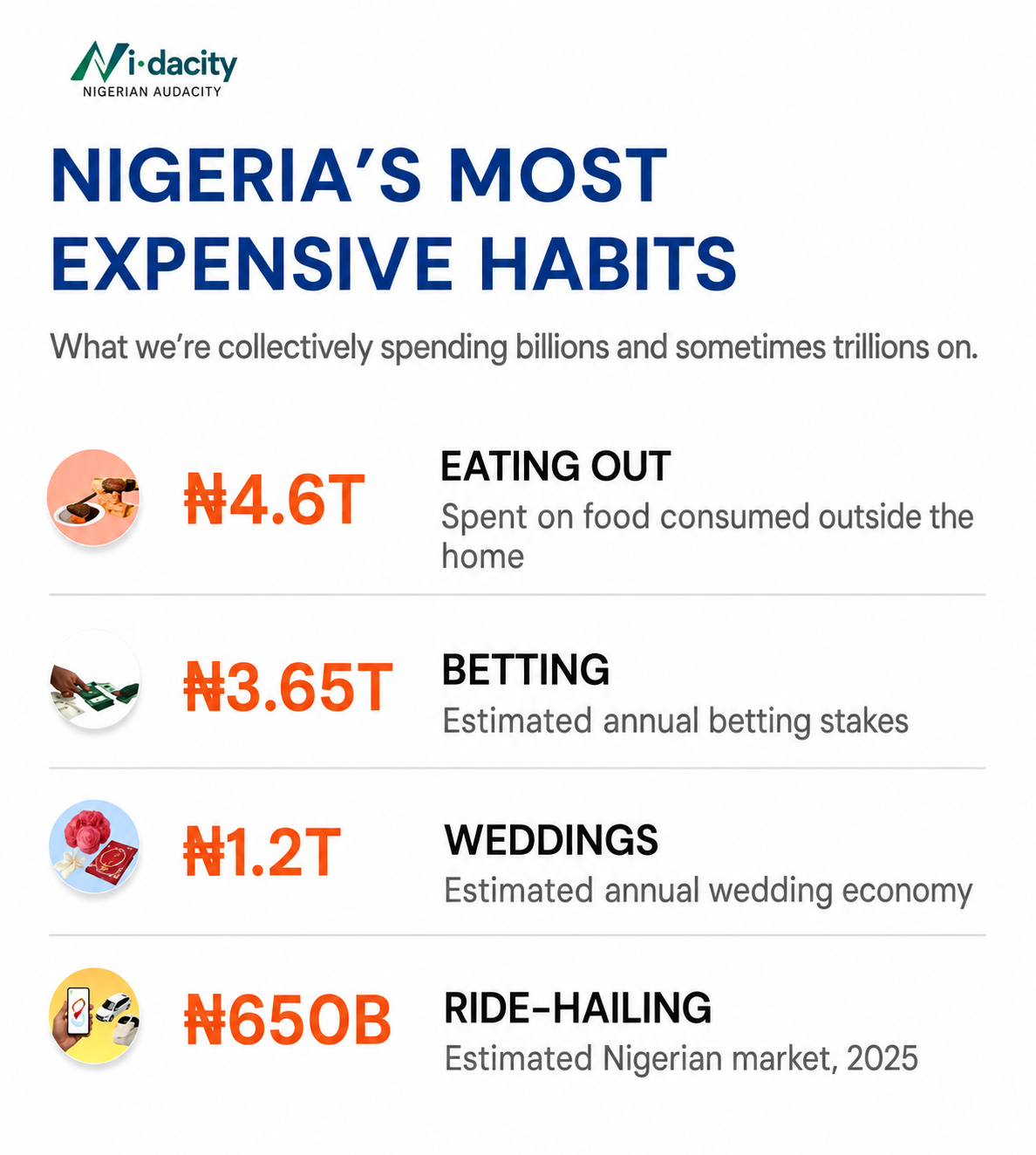
That number represents food bought and consumed outside households, including meals, snacks, drinks and other food items. It represented one of the largest components of household expenditure recorded that year.
₦4.6 trillion.
Meanwhile, somewhere in Nigeria, someone is standing in front of a restaurant menu saying, “₦8,500 for rice? For what? Is the rice wearing designer?”
Five minutes later, they order it.
This is where Nigerian spending becomes fascinating. Eating outside the home is not necessarily about luxury. For many people, especially in cities, work schedules, traffic, long commutes and the sheer exhaustion of existing can make buying food easier than preparing it.
But Nigerians have also developed an impressive ability to turn food into an experience.
We don't just eat.
We brunch.
We go for lunch dates. We order shawarma at midnight. We buy small chops for meetings that could have been emails. We attend birthday dinners where the birthday celebrant has apparently decided that everyone should contribute to the restaurant's annual revenue.
And then someone says, “Food is expensive these days.”

Correct.
You are also the food.
2. Betting: The Investment Strategy of “God, Let This One Enter”
Then there is betting.
Nigeria’s betting market has been estimated to attract more than ₦10 billion in stakes a day, which would amount to roughly ₦3.65 trillion a year if sustained.
That is a truly remarkable amount of money to entrust to a footballer who may decide to miss a penalty in the 87th minute.
Sports betting has become deeply embedded in Nigerian popular culture, particularly among young men. Football matches are no longer simply watched. They are analysed with the seriousness of a World Cup final, even when the person doing the analysis has not watched the teams play since 2022.
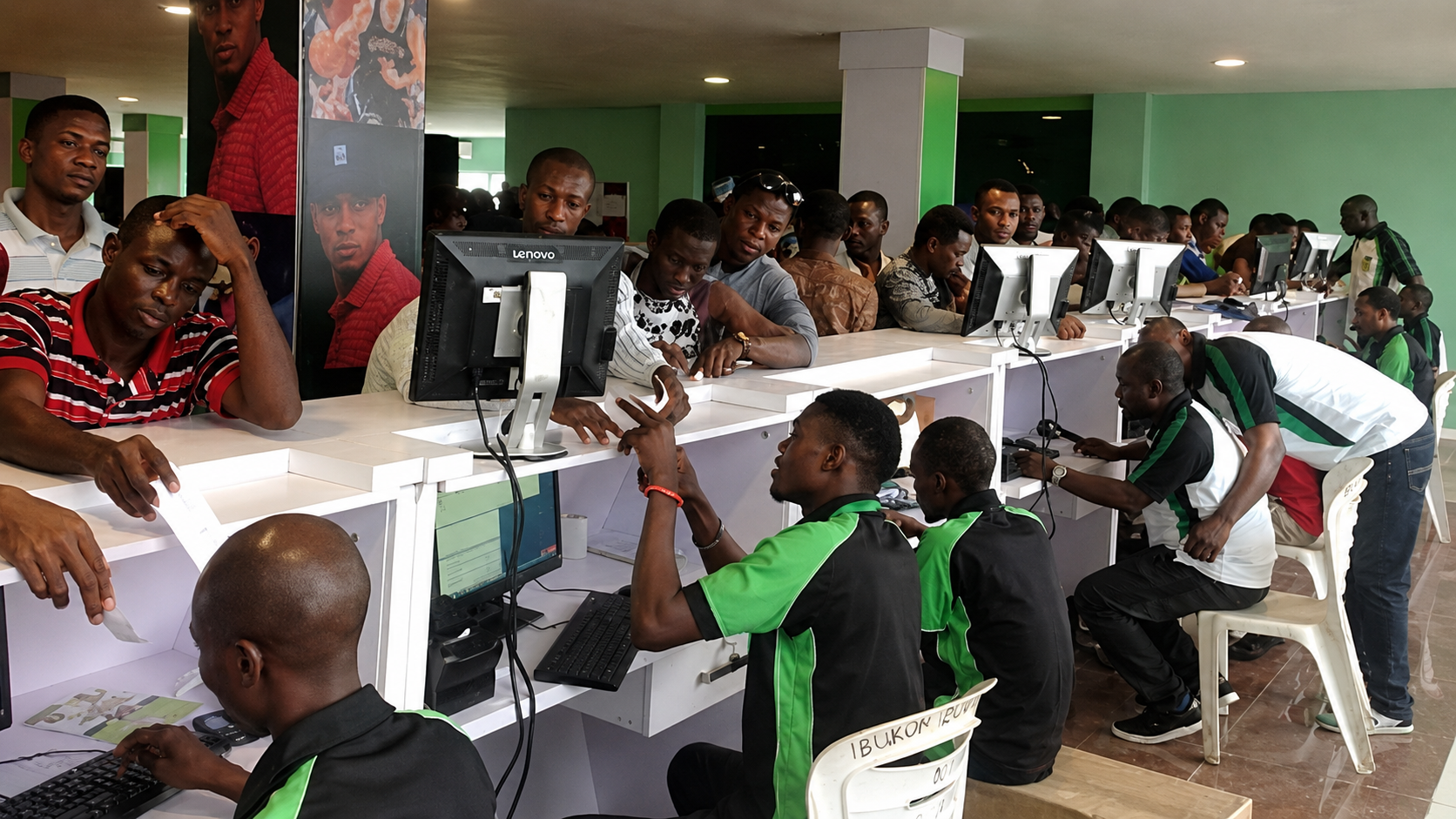
And then there is the language Nigerians have created around betting. Gen Z has developed an entire vocabulary for it, often dressing up a bet as something that sounds considerably more sophisticated. It becomes “data analysis,” “forex,” “European stock,” “sharp signals” or even “red app.” The terminology can make the activity sound less like placing a wager and more like conducting serious financial research.
At some point, you have to admire the branding.
The appeal is obvious. Betting offers the possibility of turning a small amount of money into a much larger amount almost instantly. But the mathematics are less romantic. For every person celebrating a winning ticket, there are plenty of others quietly staring at their betting history and wondering where the ₦2,000, ₦5,000 and ₦10,000 went.
3. Weddings: Because Apparently “Small Wedding” Is a Threat
Then we arrive at the Nigerian wedding.
A completely different financial institution.
The Nigerian wedding industry is estimated at around ₦1.2 trillion annually, covering everything from catering and fashion to photography, décor, logistics, music and other services.
And Nigerians have perfected the art of spending money on weddings they will spend the next six months complaining about.
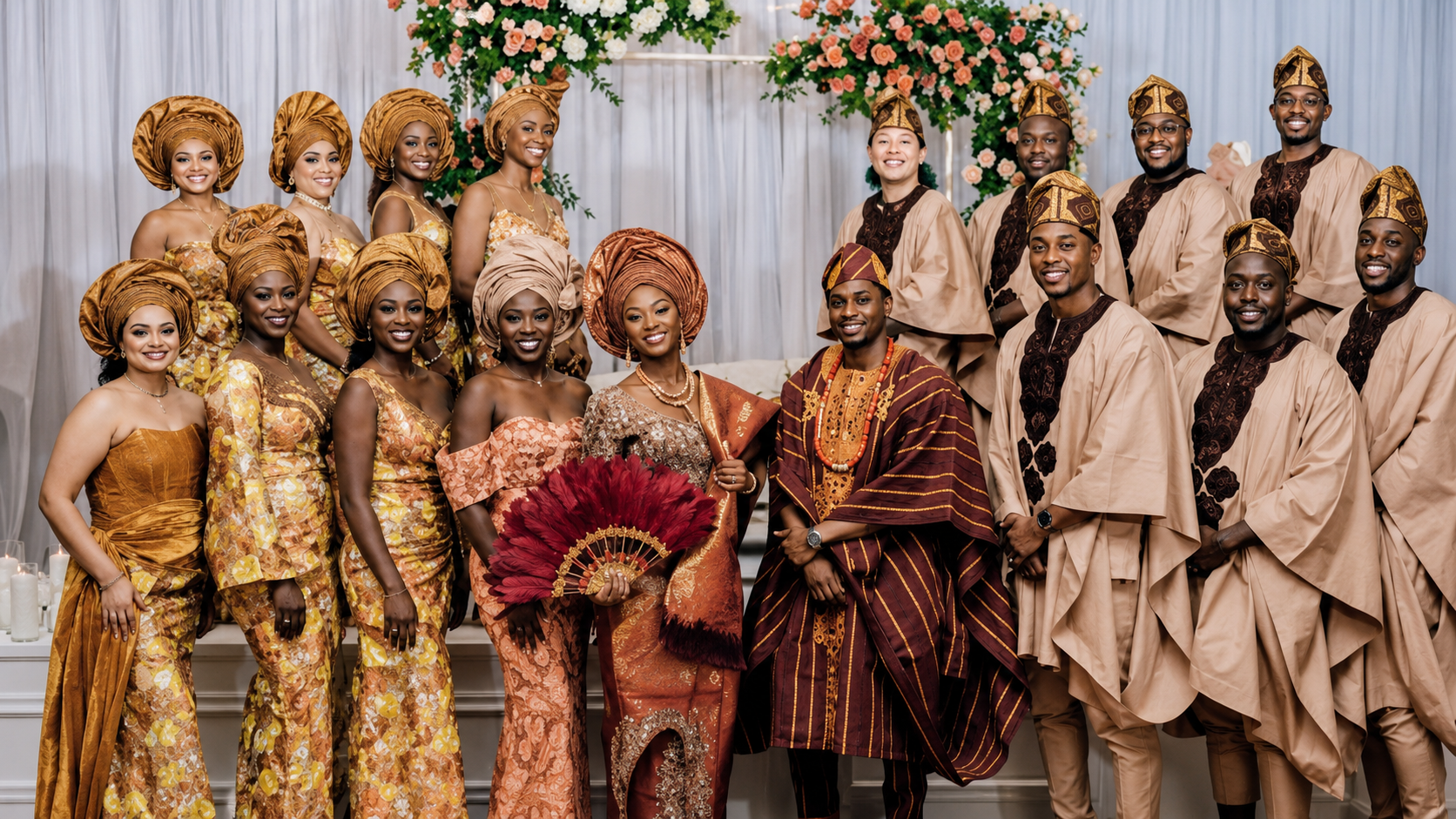
The bride needs a dress, the groom needs multiple outfits, and then there is the traditional wedding followed by the white wedding. Add the pre-wedding shoot, aso-ebi, gele, makeup, decorations, food, drinks and a DJ who must somehow make three generations of people dance to the same playlist.
Then come the photographer, the videographer and souvenirs that 80 percent of the guests will probably lose before they get home.
And after all of that, someone will still say, “We tried to keep it simple.”
Simple where?
The wedding economy is actually a serious source of income for thousands of people. A single wedding can involve tailors, fabric sellers, makeup artists, caterers, event planners, decorators, MCs, photographers, DJs, transport operators and countless other businesses.
So perhaps Nigerians are not simply spending money on weddings.
We are redistributing money through the economy while wearing gele.
That sounds financially responsible enough to me.
4. Ride-Hailing: Why Buy Your Own Car, When There’s Ride Hailing?
Finally, there is ride-hailing.
The infographic puts Nigeria's ride-hailing market at an estimated ₦650 billion in 2025.
And honestly, Nigerians understand this market better than most people. You wake up late, realise you have somewhere to be, look at the road and see traffic already waiting for you. You check public transport, only to discover that there is somehow even more traffic.
Then you look at your bank account and experience a brief moment of silence before opening the ride hailing app. “Bolt is ₦18,000.”
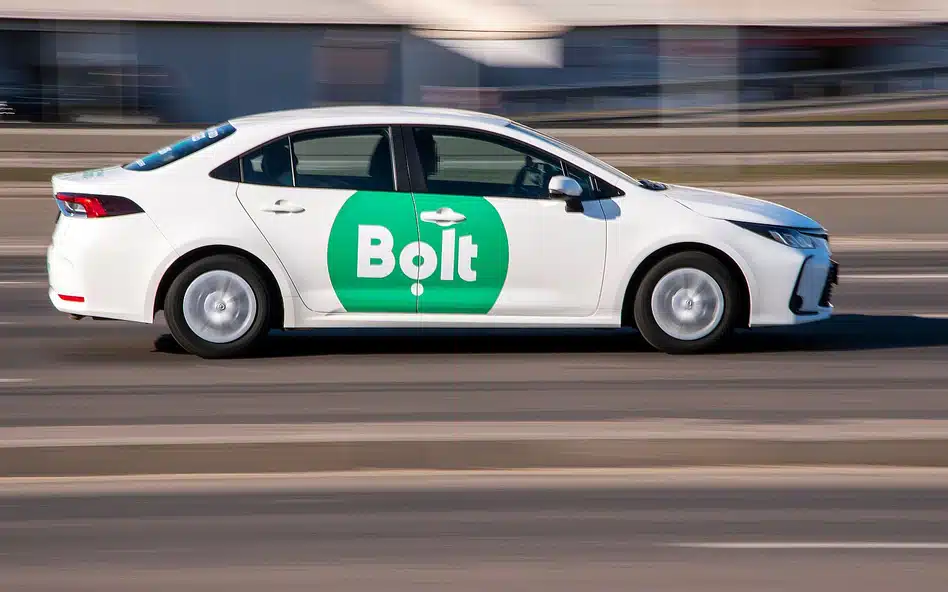
You stare at the price, close the app and reopen it five minutes later, only to find it has climbed to ₦21,500. At this point, you are no longer requesting a ride. You are negotiating with God.
Yet people keep using ride-hailing services because convenience has become something Nigerians are willing to pay for. In cities where traffic can consume hours of the day, being able to summon a car from a phone has become part of urban life.
It has also created an entire income ecosystem for drivers and other workers connected to the industry.
Which means that even when we are complaining about how expensive the ride is, somebody else is using that same ride to pay school fees, rent or fuel.
And apparently, we are not done spending.
Fuel: Nigerians continue to pour billions into keeping cars, generators and businesses running. Because in Nigeria, even staying stationary can cost money.
Beauty and personal care: Nigerians reportedly spent ₦14.7 trillion on beauty and personal care. Hair, skincare, perfumes, cosmetics, nails and barbing have become serious consumer industries.
Mobile data: Then there is data, with an estimated ₦7.62 trillion spent on mobile internet. We need it for work, school, entertainment, business and, of course, spending three hours online after saying, “Let me just check something.”
So, Nigerians may not be rich.
But we certainly know how to spend money.
So, Are Nigerians Actually Rich?
No, please calm down.
The ₦4.6 trillion food figure is from 2019, the betting number is an estimate, and the wedding and ride-hailing figures represent different kinds of market estimates. They should not be added together and presented as proof that Nigerians have discovered a secret national vault underneath Abuja.
But the numbers reveal something interesting about Nigerians and money.
We spend heavily on experiences, convenience, entertainment and social obligations, even during difficult economic periods.
Some of this spending is necessary. Some of it creates jobs. Some of it is cultural. Some of it is impulsive. And some of it is simply us looking at our last ₦10,000 and saying, “Life is already hard. Let me enjoy myself small.”
That is probably the most Nigerian economic philosophy ever invented.
We complain about the cost of living while ordering food.
We complain about poverty while planning weddings.
We complain about transportation while paying for convenience.
We complain about football while putting money on the match.
Perhaps the real story is not that Nigerians are rich.
It is that Nigerians are remarkably good at finding things worth spending money on.
Now, whether we are equally good at saving that money is a completely different article.
And I suspect that one will hurt more.
What Nigerian spending habit do you think deserves to be investigated next?