Nigeria Sets 2026 Deadline to End Analogue TV and Switch to Digital Broadcasting
Nigeria has confirmed June 17, 2026 as the final switch-off date for analogue TV broadcasting. The move will push the country fully into digital television, changing how millions access free-to-air channels.
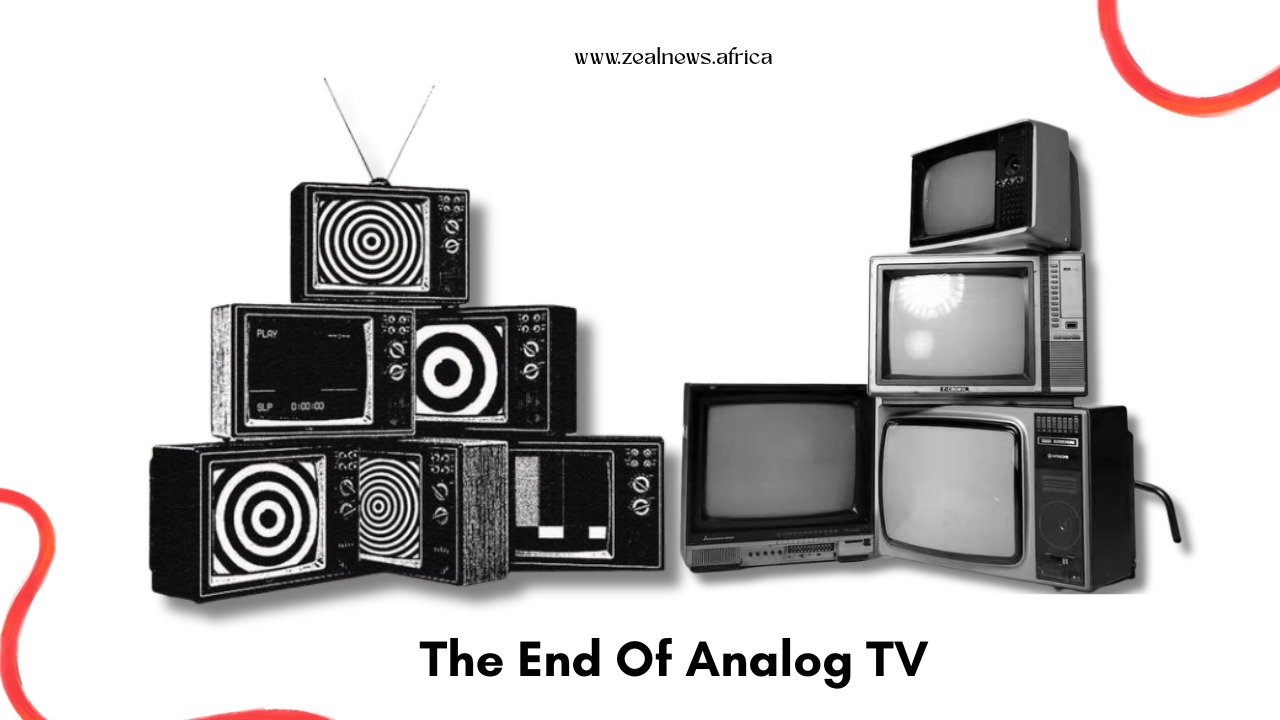
If you still have a TV that needs a gentle tap at the back before it decides to behave, or one where the antenna has to be “positioned with faith and patience” before any channel shows up, then this news is going to affect you.
Nigeria is officially moving away from analogue television and stepping fully into digital broadcasting, which means those old-school viewing habits might soon stop working altogether.
Well, What Does This Mean?
Nigeria’s analogue switch-off simply means the country is moving from the old way of broadcasting TV signals to a digital system. In the past, analogue TV sent signals in a format that older television sets could pick up directly using an antenna.
With digital broadcasting, those signals are sent in a newer, clearer format that improves picture and sound quality, but older TVs will not be able to show channels on their own anymore.
For example, someone using an old box TV with an antenna will need a small device called a set-top box to keep watching free-to-air channels, while newer flat-screen or smart TVs can usually receive digital signals without extra equipment.
So What’s The Big Announcement?
Nigeria has fixed June 17, 2026 as the date it will fully switch from analogue to digital television broadcasting, finally setting a clear endpoint for a reform that has dragged on for years.
The announcement was made by the Minister of Information and National Orientation, Mohammed Idris, as part of a renewed push for the country’s Digital Switch Over (DSO) programme.
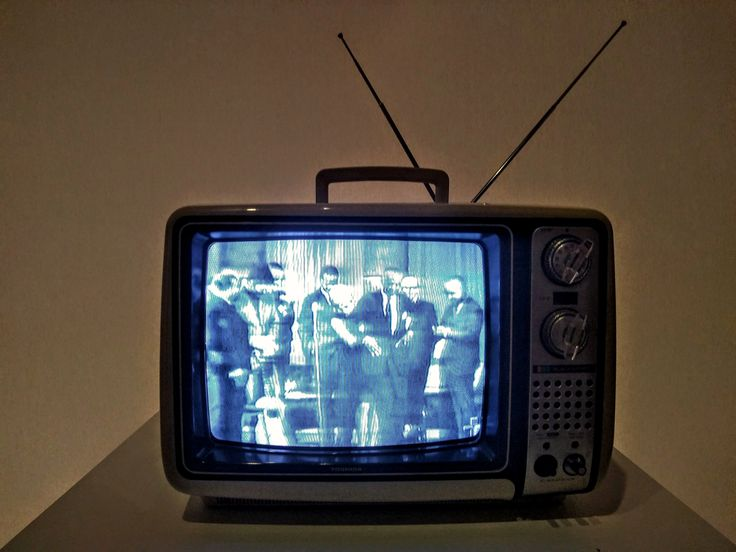
The policy is expected to completely change how television signals are delivered across Nigeria.
Instead of the traditional analogue system, all broadcasts will move to digital transmission. That means households that still use older analogue TVs will need either a set-top box or a digital-ready television to continue watching free-to-air channels once the transition is complete.
Nigeria originally committed to this shift in line with the International Telecommunication Union’s 2015 target for African countries, but implementation has repeatedly been delayed over the years. The new date now gives regulators, broadcasters, and consumers just about a year to adjust.
For major broadcasters like the Nigerian Television Authority and large commercial stations, the transition may be more manageable because they already have stronger infrastructure.
Smaller and regional stations, however, are likely to face heavier pressure due to the cost of upgrading equipment and moving fully into digital systems.
At this stage, it is still unclear whether government support or subsidies will be provided to ease that burden.
For viewers, the change is expected to bring clearer picture and sound quality, as well as access to more channels. But the success of the rollout will depend heavily on how affordable and accessible set-top boxes are, especially for lower-income households and rural communities where analogue TV is still widely used.
Latest Tech News
Decode Africa's Digital Transformation
From Startups to Fintech Hubs - We Cover It All.
Beyond television access, the switch also has wider implications. The frequency space currently used by analogue broadcasts will be freed up and could be repurposed for mobile broadband services, creating new opportunities for the telecoms sector.
While the policy signals renewed commitment to modernising Nigeria’s broadcast system, the short timeline means execution will be critical.
Whether the country meets the deadline or faces another delay will depend on how quickly stakeholders can coordinate infrastructure, funding, and public awareness efforts over the coming months.
What Viewers Will use After The Analogue Switch-off?
When Nigeria fully moves away from analogue television, households that still use older TVs will have a few practical options to stay connected.
The most common will be set-top boxes, which are small devices that convert digital signals so they can still be displayed on older television sets.

Others may choose to upgrade to newer digital-ready or smart TVs that already support digital broadcasting without extra equipment. Some households may also rely more on satellite or cable services, such as DStv or GOtv, since these already operate on digital systems.
In the end, the choice will largely depend on what is affordable and accessible for each home.