Nigeria’s Telecom Operators Added 8,526 Network Sites in 2026. So Why Are Nigerians Still Complaining About Their Networks?
Nigeria has deployed 8,526 new telecom network sites in 2026, but network complaints persist. Coverage, congestion, fibre cuts, 4G adoption and capacity explain why more towers do not automatically mean better service.
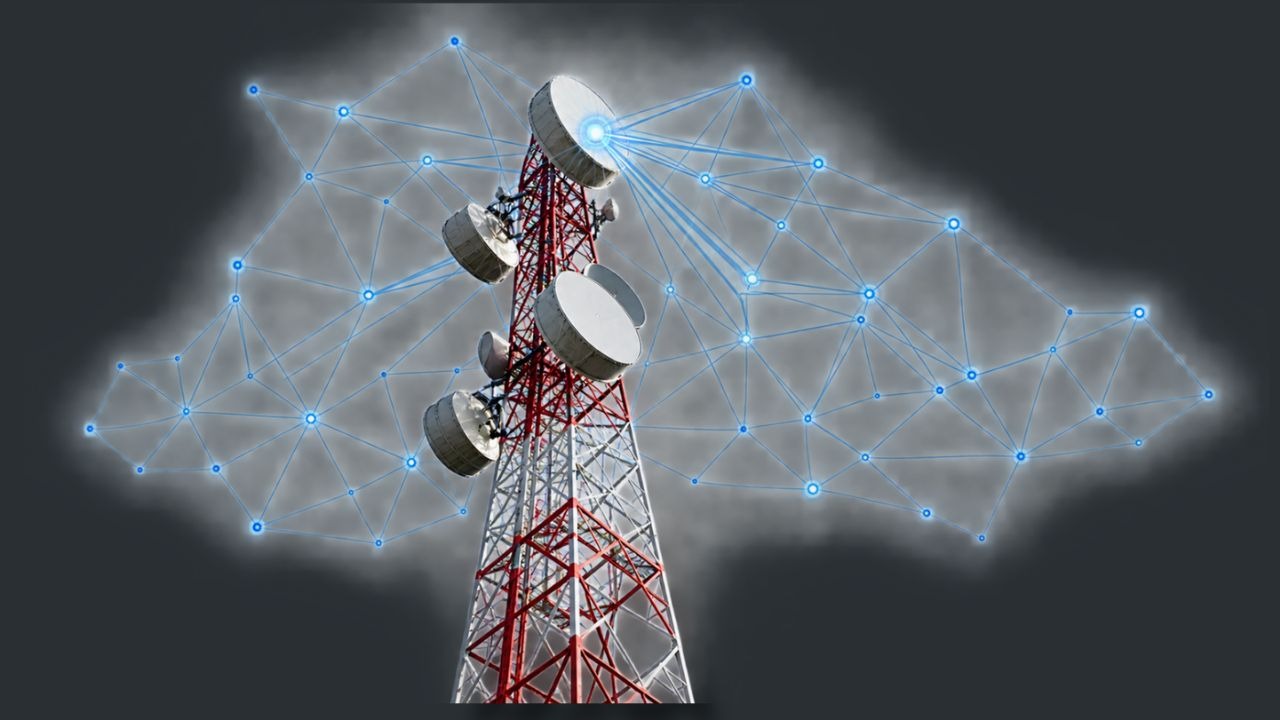
Most Nigerians understand a particular kind of frustration very well.
You are in the middle of a call, and suddenly the voice begins to break. You move closer to the window, raise the phone, walk outside, or switch from MTN to Airtel, hoping the other network will behave today. Or maybe you are trying to work remotely, submit an important document from the office, and the network is acting up so badly you feel like punching it in the face if it had one.
Now imagine, in the middle of this, you hear that the Nigerian Communications Commission has announced that mobile network operators have deployed 8,526 of the 12,179 additional coverage and capacity sites they committed to rolling out across the country.
That is roughly 70 percent of the commitment.
The number sounds impressive, and it is. But how does it help you when the problem you were having five minutes ago has not gone away? It is exactly the kind of number that should make us ask a slightly uncomfortable question:
If thousands of new sites are going up, why do Nigerians still have so many stories about poor network service?
The answer, however, is not as simple as blaming the telecom companies.
A Tower Can Improve Coverage Without Solving Every Network Problem
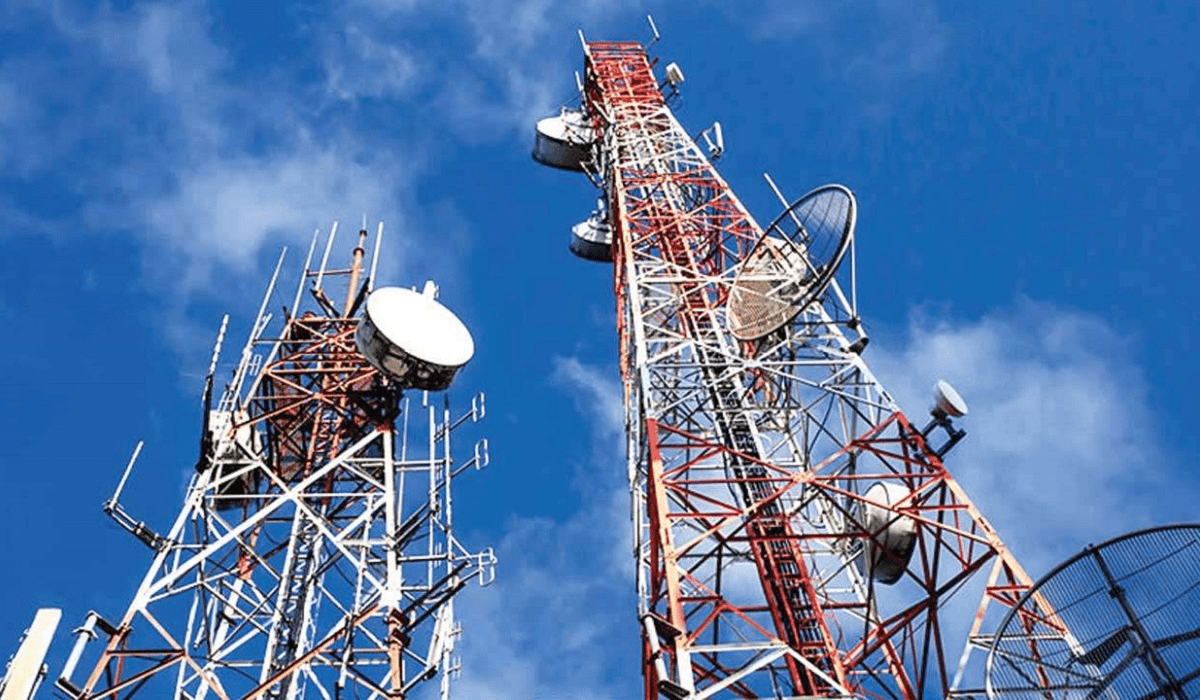
First, we need to understand what a network tower actually does.
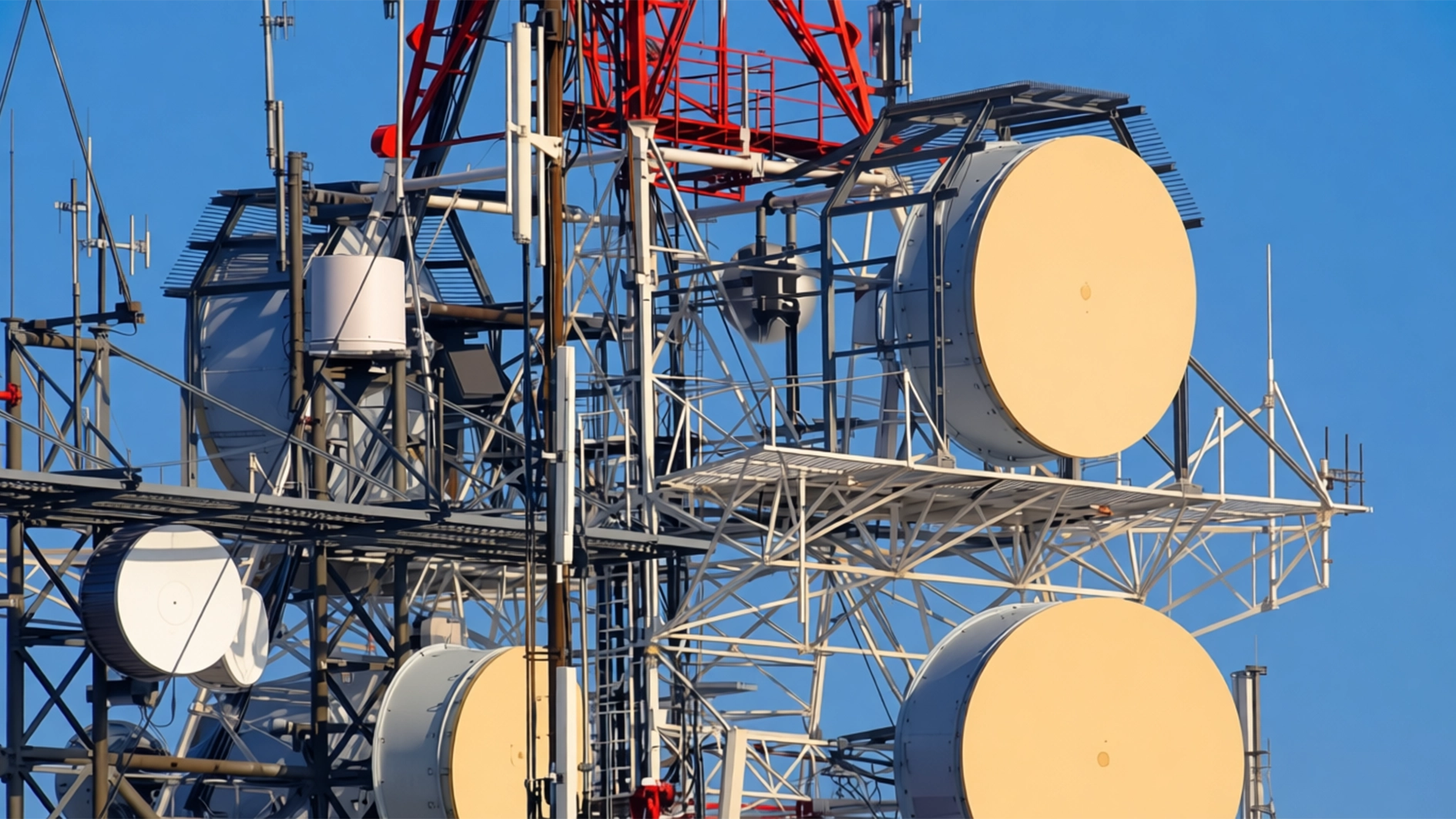
A telecom site, often identified by Nigerians simply as a mast, provides the radio connection between your phone and the operator’s wider network. But having a tower nearby does not automatically mean unlimited speed, perfect calls, or uninterrupted internet.
Think about it like a road. Building another road into Lagos can improve movement, but if thousands of cars enter the same road at once, traffic can still happen. Telecommunications works with a similar problem: coverage and capacity are not exactly the same thing.
A new site can fill a coverage gap in an underserved area. Another can add capacity to an already busy location where too many subscribers are competing for available network resources.
This matters because Nigeria is not only dealing with places where there is no signal. Some complaints come from places where there is signal, but the network becomes painfully slow when thousands of people are trying to use it at once.
The NCC’s latest figures show that the 8,526 sites are specifically described as coverage and capacity sites, meaning the programme is not simply about putting more masts on the map.
So the better question is not simply, “How many towers did they build?”
It is, “Where did they build them, what problem were they designed to solve, and did the problem actually improve?”
The Tower Is Only One Part of the Network Nigerians Experience
There is another reason the experience on your phone may not immediately match the headline number.
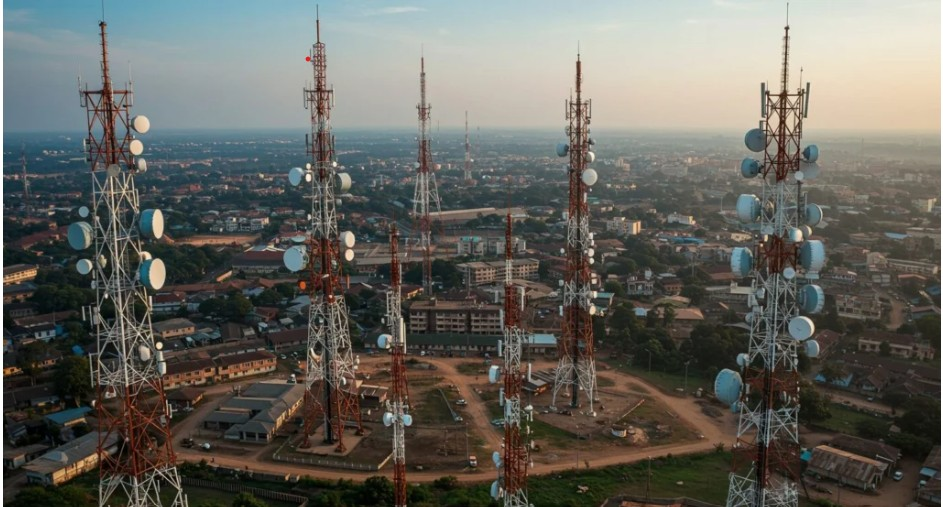
The network does not end at the mast. Behind that tower are fibre-optic connections, transmission equipment, power systems, core networks, spectrum and other infrastructure moving data from one point to another. Damage to one critical part of that chain can affect your experience even when the physical tower is standing perfectly well.
The NCC acknowledged this at its September 9 board meeting, noting that fibre cuts contributed to a sharp rise in network disruptions in June and that infrastructure expansion needs stronger protection of critical communications infrastructure.
This is not a small issue.

Nigeria recorded more than 5,000 fibre cuts during the first half of 2026, with road construction and rehabilitation among the major causes reported by the NCC.
Imagine spending money to build a new telecommunications site, only for the infrastructure carrying traffic to and from it to be repeatedly damaged.
The mast exists.
The investment exists.
The customer still experiences an outage.
Then there is congestion. A tower serving a densely populated neighbourhood faces a different workload from one serving a sparsely populated community, especially as video, social media, streaming, mobile payments and business activity drive demand.
About 8,702 subscribers changed networks through mobile number portability in the first six months of 2026, with poor service quality among the concerns.
People are not only asking for a signal bar. They are asking for a network that works when they actually need it.
What Nigerians Should Be Listening For Is Not Another Tower Number
There is another part of this conversation that rarely gets enough attention: the person holding the phone.
According to NCC data, 4G accounted for 54.31 percent of connections in July 2026, while 2G still represented 36.54 percent and 3G another 4.42 percent. 5G stood at 4.74 percent.
That means many Nigerian connections are still operating on older generations of mobile technology. The network can improve while the device remains a limitation.
Then there is geography. A city can have substantial infrastructure and still have locations where buildings, terrain, indoor conditions, or user density affect service quality. A network that works brilliantly at 10 a.m. can struggle at 8 p.m., when an area has thousands more active users.
None of this excuses poor service. It explains why the solution cannot simply be reduced to building more towers.
The more useful conversation should be about measurable outcomes: fewer dropped calls, faster data speeds, better indoor coverage, lower congestion, stronger fibre protection, reliable power, transparent service-quality reporting and faster responses when failures occur. The NCC has acknowledged that expansion must be accompanied by resilience and reliability.
Because 8,526 new sites are a significant investment. It should become more than a number in an NCC communiqué. It should become the call that does not drop, the video that loads without freezing, the transfer that goes through, and the business meeting that does not collapse because the network disappeared.
Nigeria does need more telecommunications infrastructure. But it also needs to protect existing infrastructure, expand capacity where demand is highest, improve fibre resilience, close coverage gaps and help more Nigerians use newer networks.
The headline tells us that 70 percent of the commitment has been delivered. The next headline Nigerians should want is much simpler: What changed for the person using the network?
That is where infrastructure stops being a statistic and becomes a service. And that is ultimately what Nigerians are paying for.