The Halo Effect: Why People Judge What You Do by Who You Are
The halo effect is a cognitive bias that influences how we judge people, brands, and products based on reputation, perception, and personal branding.

Have you ever looked at someone and judged them before they even opened their mouth to speak?
Not because they did anything to you, but because of how they dressed, spoke, or the people they stood with. Then you saw someone else do almost the same thing and judged them completely differently.
A public figure does something strange, and we call it intentional. An ordinary person does the same thing, and we call it embarrassing. A celebrity makes a mistake, and people say, "Human beings make mistakes." Someone without the same social standing makes the same mistake, and suddenly everybody becomes a moral philosopher.
But wait.
Is the public figure not human too? Why does one person receive grace while another receives judgement for almost the same behaviour?
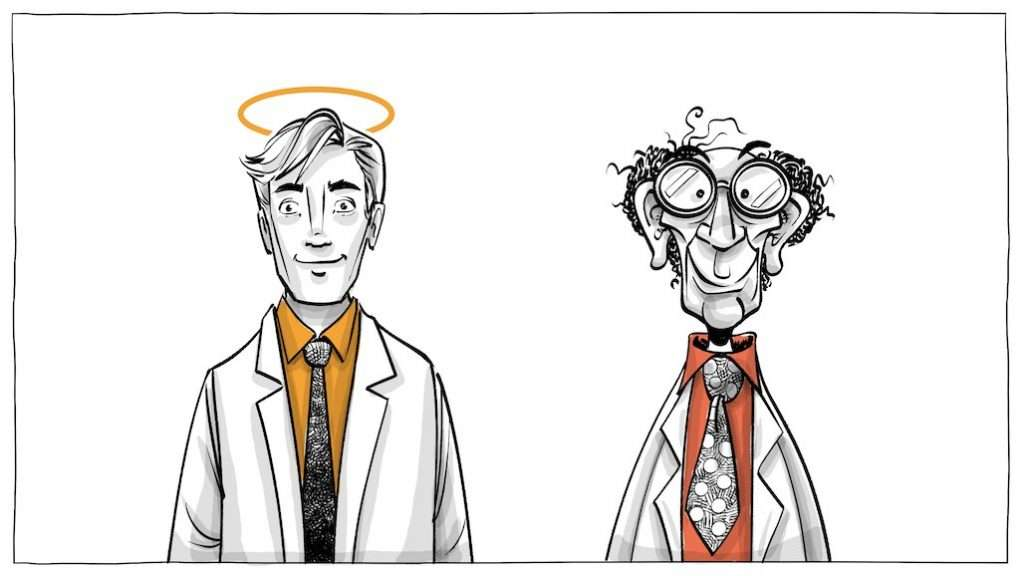
This is where perception gets interesting: we like to think we judge people by what they do, but sometimes we judge what they do by what we already think of them.
Psychology has a name for part of this.
Edward Thorndike coined the term halo effect in his 1920 paper,A Constant Error in Psychological Ratings, observing that people's overall impression of someone could influence how they rated that person's other, unrelated qualities. It is also called halo error.
In simpler terms, one good thing about you can make people assume other things about you are good too.
And the reverse can happen.
The Same Thing Can Look Completely Different Depending on Who Did It
Take fashion, for instance.
Kanye West has spent years pushing fashion into places where ordinary clothing and deliberately rough aesthetics become part of a larger artistic language, and publications have documented how he turns familiar garments into luxury or cultural commentary.
Now imagine a famous person walking down the street in visibly torn clothes.
"Avant-garde."
Social Insight
Navigate the Rhythms of African Communities
Bold Conversations. Real Impact. True Narratives.
"Experimental."
"Fashion statement."
Now imagine an ordinary Nigerian guy wearing the same shirt.
"Agbero."
"Guy, what happened to your clothes?"

Same shirt, different person, and different interpretation. And it is not just fashion.
A tech company launches a product, and people call it bold; another launches something similar, and it is called unnecessary. A respected entrepreneur speaks confidently, and we call it leadership; an unknown person does the same, and we call it arrogance.
The product has not changed. Our interpretation has.
That is the uncomfortable part of the halo effect: we don't always respond to the thing in front of us, but to the reputation attached to it, and that reputation can grow so powerful that people buy into the person before they even understand the product.
People Sometimes Buy Your “Halo” Before They Buy Your “Story”

Luxury fashion offers one of the clearest examples of how value can change with context.
A bag can be made from leather, have a handle and a zipper, and sell for a few dollars or naira. Put the Hermes name on it, however, and the conversation changes completely, along with the price.
That does not mean every Hermes bag is identical to a generic one. Craftsmanship, materials, scarcity, heritage, and controlled production all contribute to its value. Sotheby's notes that scarcity and demand are major factors behind the extraordinary prices attached to Hermes Birkin bags.
But the larger lesson is not really about handbags. It is about meaning.
Brands spend years teaching people what their name should make them feel; Apple does it, Nike does it, Rolex does it, and Nigerian businesses do it too, whether they know it or not.
People do it too. You do. I do.
Social Insight
Navigate the Rhythms of African Communities
Bold Conversations. Real Impact. True Narratives.
Every time you consistently produce something valuable, show up well, solve a problem, or keep your word, people begin to attach that experience to your name.
That is your halo.
Your halo does not have to mean being famous. You can have a strong reputation within your office, church, or community, or even among five people who know you well.
Someone says, "Precious is good with words," and before my next sentence is finished, they have already formed an expectation about anything I write. That expectation can work for me, but it can also work against me.
Someone with a strong reputation may produce something average and still receive patience, because people have evidence of past work. Someone with little reputation may produce something excellent and still struggle for attention.
It sounds unfair. It is also human, and it does not stop once earned; it just keeps working quietly in the background.
Learning to See Past the Halo

Once a reputation attaches to a name, it becomes the lens through which everything else is viewed, shaping how people interpret our work, mistakes, and ideas, even the value of what we produce.
That is why reputation matters, but so does the evidence behind it. A halo built entirely on appearance eventually meets reality. Names can create expectations, but consistency is what gives those expectations weight.
The same principle applies when we judge others. A familiar name or an established reputation can make us more generous in one situation and more critical in another, even when the behaviour itself is similar.
The halo effect does not necessarily mean the positive impression is false; it means that impression shapes how we interpret everything that follows.
A good reputation can open a door, but what happens after still depends on the quality, character, and consistency of what follows.
The goal is not to eliminate the halo effect; we probably cannot. It is to notice when it is shaping our judgement, when we are responding to a name rather than to what is in front of us.
Reputation will always travel with people, and names will continue to carry meaning, but there is value in pulling the person, product, or action apart from the reputation around it.
After all, sometimes the halo is not around the person at all. It is around the way we see them.