Nigeria’s Next Real Global Leverage May Be Its Classrooms
Nigeria could transform its global influence through scholarship diplomacy. Here's how attracting international students may strengthen soft power and improve global relations.
In 2025, Nigerians filed 1,219 cybercrime complaints with the United States FBI, placing the country 12th to 14th among foreign nationalities on that list, behind Canada, India, Japan, the United Kingdom, Pakistan and several others.
Nigeria is not the epicentre of global cybercrime that its reputation suggests. Yet Nigerian travellers face some of the toughest visa walls on earth.
The UK refused 33.1% of Nigerian applications in 2025, Nigeria's Schengen rejection rate climbed past 45% in 2024 and the US denied 57% of Nigerian B1/B2 applicants in fiscal year 2025.
Meanwhile, Nigerian doctors, engineers and software developers are among the most sought after professionals abroad, filling gaps in Britain's National Health Service and Canada's tech sector.
That contradiction where a country whose people are wanted for their labour but rejected at the border is more of a diplomacy problem than an immigration problem. And diplomacy is a game other nations have learned to play through classrooms, not just embassies.

What Scholarship Diplomacy Actually Buys a Country
Government scholarship schemes are long-term relationship investments. A country that funds a foreign student's tuition, housing and stipend for four to six years is cultivating a future doctor, judge, minister or central banker who understands its language, culture and interests from the inside.
Before treaties are signed, human familiarity does the groundwork. Every scholarship graduate also becomes an unofficial ambassador. Multiply that by thousands of alumni scattered across a continent's ministries, universities and boardrooms and a country gains a standing diplomatic network it never has to pay salaries for.
Morocco's Classroom Strategy in Sub-Saharan Africa
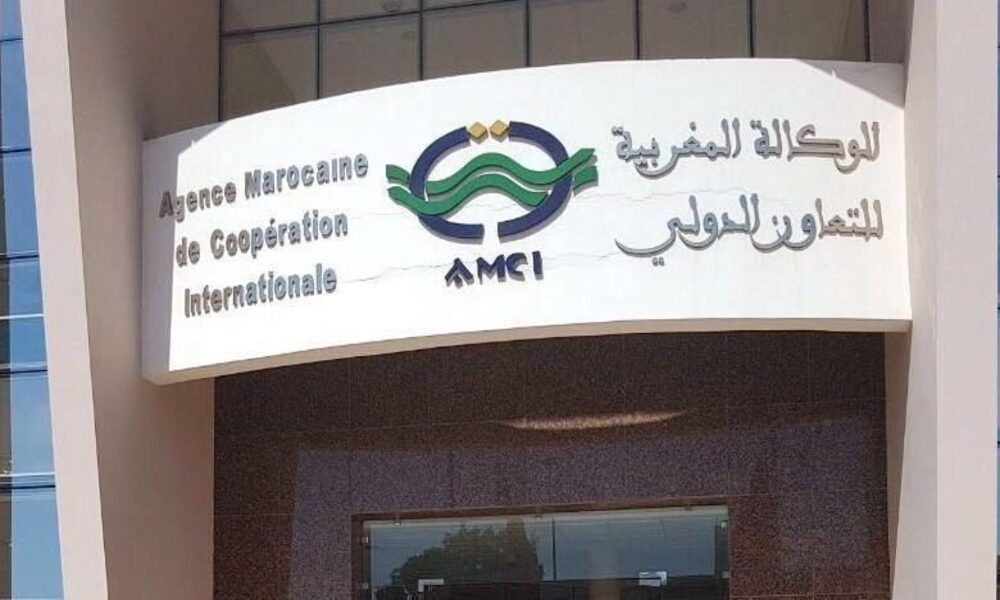
Morocco offers the clearest African case study of this approach. Since the 1990s, Rabat has run an aggressive education diplomacy campaign through the Agence Marocaine de Coopération Internationale, offering tuition-free places, housing, French language training and financial support to students from across sub-Saharan Africa.
Bilateral agreements have steadily expanded scholarships and eased student visa requirements for applicants from French-speaking and, increasingly, English and Portuguese-speaking African countries.
Researchers describe the outcome as the shaping of a "Morocco-educated African elite," a generation of professionals who carry Moroccan goodwill into their home governments, universities and businesses.
The strategy has become so effective that private Moroccan universities now attract fee-paying African students independent of government support, showing that the soft power investment created a self-sustaining education economy.
Morocco manufactured influence deliberately and Nigeria, with a far larger population, bigger economy and wider cultural footprint through music, film and literature, has never built an equivalent pipeline.
Egypt's Al-Azhar Model
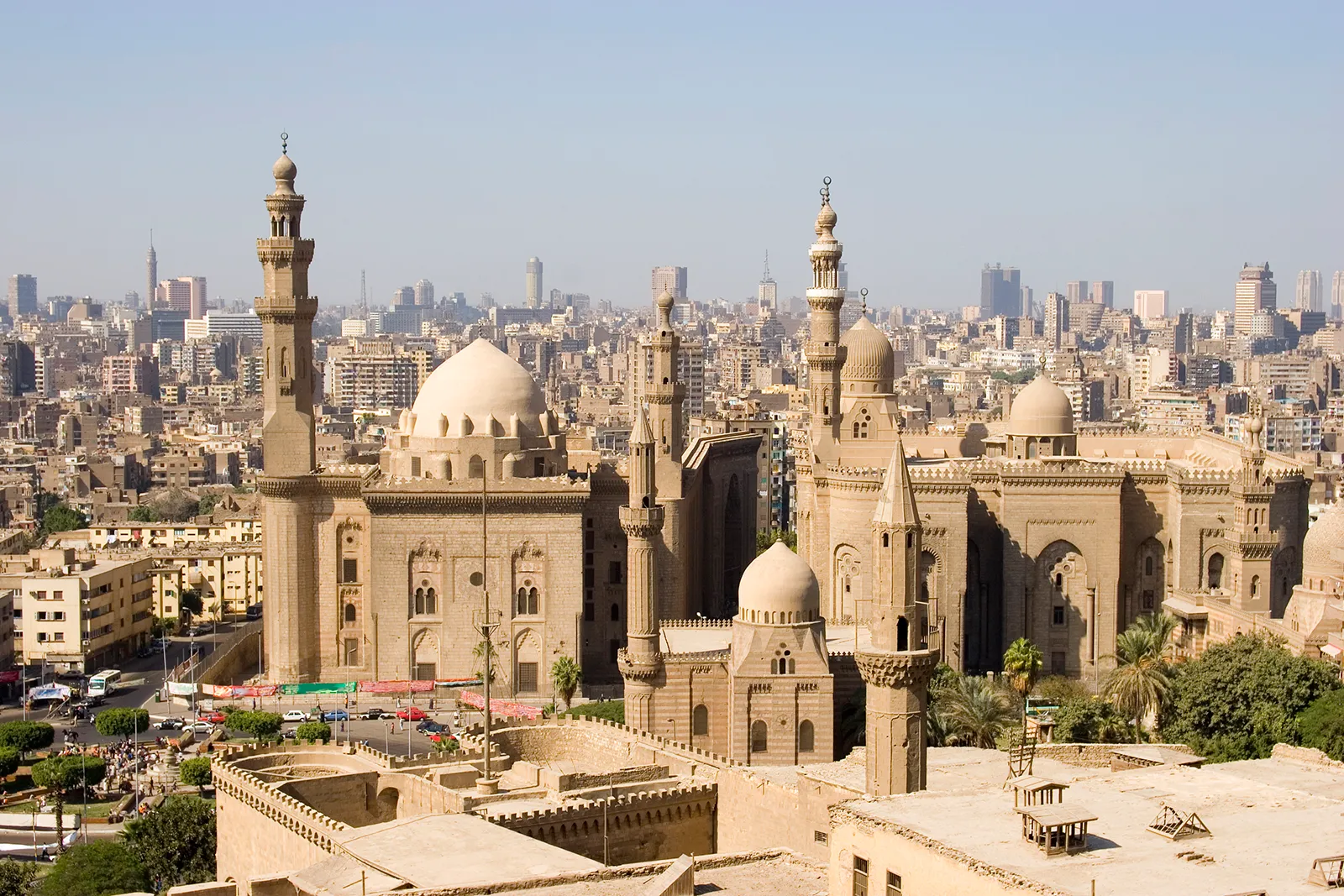
Egypt offers a second example. Al-Azhar University in Cairo hosts roughly 32,000 international students from over 100 countries, including thousands of fully funded scholars from across Africa. The scholarships cover tuition, housing, healthcare and stipends.
In return, Al-Azhar graduates return home as imams, scholars and policymakers who maintain lifelong ties to Cairo, reinforcing Egypt's religious and cultural authority across the Muslim world.
It is education diplomacy dressed as religious charity and it has worked for over a thousand years.
The Nigerian Paradox: Exporting Talent, Importing Suspicion
Nigeria submitted more UK visa applications than almost any African country between 2005 and 2026 and also recorded the highest number of refusals on the continent, accounting for 44.4% of all African rejections in that period.
Its Schengen rejection rate ranks among the highest in the world. These figures reflect how consular officers, and by extension foreign governments, perceive Nigerian applicants: as flight risks rather than assets.
Nigeria loses tens of thousands of doctors, nurses and engineers to migration every year, and that same productivity is used against it at the visa counter, treated as evidence that Nigerians who travel will not return.
The country exports talent and imports suspicion in the same breath. Meanwhile India, which sends far more skilled migrants abroad in absolute terms, negotiates favourable visa and labour mobility agreements with the same Western governments that treat Nigerians with heavy scrutiny.

The difference is the scale of coordinated diplomatic negotiation behind it.
Why Nigeria Has Not Built This Yet
Nigeria already runs bilateral education agreements and sends government-sponsored students abroad in small numbers, largely through federal scholarship boards and state government schemes.
However, these programmes are inward facing, designed to send Nigerians out rather than to pull other nationalities in.
Nigeria has never positioned itself as a scholarship destination the way Morocco or Egypt has, despite having universities, a growing tech sector and a cultural export machine that already draws global attention through Afrobeats and Nollywood.
What an International Scholarship Scheme Could Look Like for Nigeria
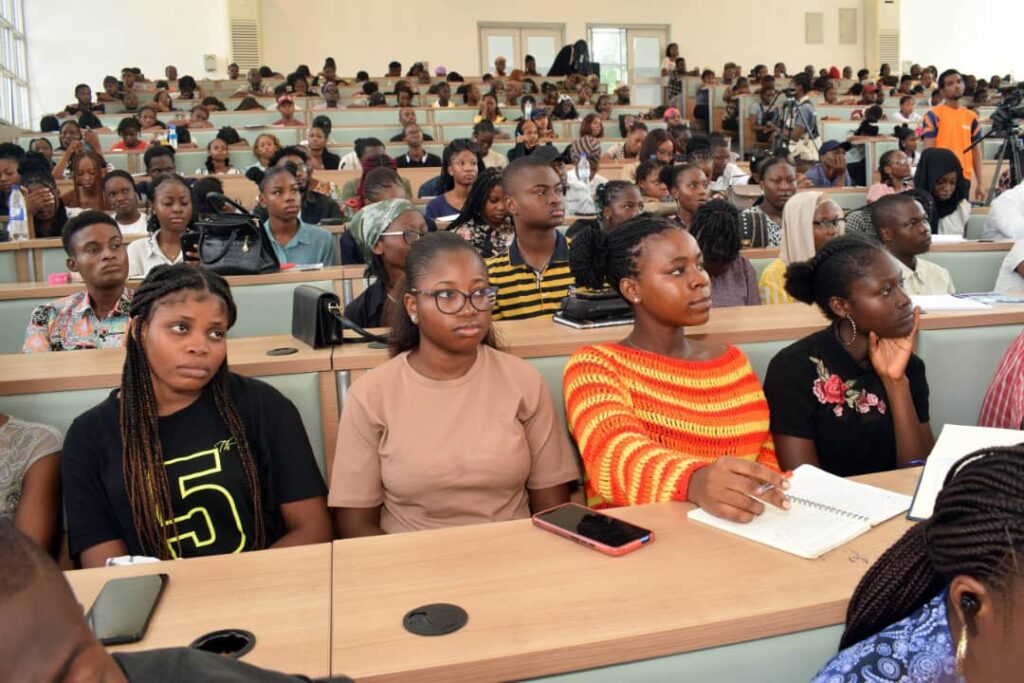
An effective scheme would start regionally, offering fully funded places to students from Economic Community of West African States member countries in fields like public health, agriculture, engineering and digital technology.
This mirrors Morocco's early sub-Saharan focus and builds influence where Nigeria already claims regional leadership.
Scholarship diplomacy only works as a long game if it is funded consistently, insulated from budget cuts and tied to a clear foreign policy strategy rather than treated as a goodwill gesture.
Morocco and Egypt fund their programmes through dedicated cooperation agencies with multi-year budgets.
The Real Negotiation Nigeria Is Missing
Nigeria has spent decades trying to convince the world it deserves respect through complaints about unfair visa treatment and those complaints are often factually justified. However, respect in international relations is rarely given. It is built, slowly, through leverage that other countries need or want.
Classrooms filled with foreign students who owe their education to Abuja would give Nigeria something embassies and trade delegations cannot: a generation of foreign leaders who already know the country from the inside and who negotiate with memory rather than stereotype.
That, more than any single policy statement, is the negotiation Nigeria has not yet started.