Nigeria's Fake Food Crisis: How Deep Does This Problem Run, And How Much of What We Buy Can We Trust?
What if the food on your plate isn’t what you paid for? From adulterated palm oil to counterfeit drinks, Nigeria’s fake food crisis is raising an unsettling question: can you still trust what you eat?
At some point, the Nigerian food conversation stopped being only about price.
Now there is another question.
Is what you are buying even what it claims to be?
That bottle of palm oil glowing unusually red in the market. The milk powder poured into a familiar-looking sachet. The bottle of wine with the right label, right colour and almost-right cap. The bag of rice carrying the branding of a company that may never have packed it.
For a country already struggling with the cost of feeding itself, that is a particularly cruel problem.
Nigerians are being squeezed from both directions. Food has become expensive enough that millions of households are constantly hunting for cheaper alternatives, while some of those cheaper alternatives are exactly where dishonest producers and traders find their opportunity.
Recent public anxiety did not appear from nowhere. On August 19, 2026, the Federal Competition and Consumer Protection Commission warned about the increasing circulation of consumer products with missing, altered, or misleading information, following market surveillance and inspections.
A day at the market has therefore acquired a strange new layer of suspicion.
Check the expiry date, look at the seal, examine the spelling, compare the colour, shake the bottle, check the NAFDAC number.
Buying dinner should not require forensic training.
Yet that is increasingly how food safety feels in Nigeria.
We Have Gone Beyond the Occasional Fake Product
“Fake food” sounds almost unserious until you see what the term can contain.
Food fraud covers deliberate adulteration, substitution, counterfeiting, mislabelling, repackaging expired products or selling one thing as another for financial gain.
And Nigeria has seen disturbing examples.
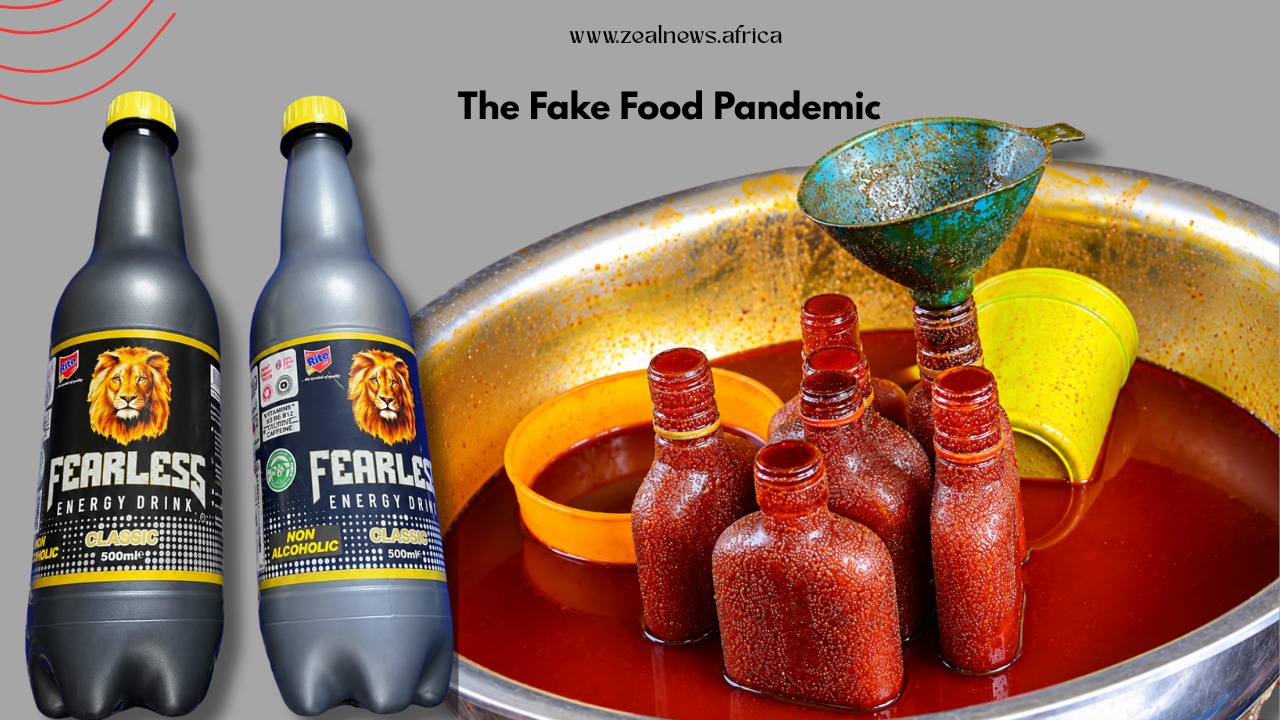
When NAFDAC returned to Cemetery Market in Aba in late 2024 and January 2025, more than 240 shops were targeted in an operation against makeshift factories producing counterfeit beverages and other products.
The regulator described dirty recycled bottles, cloned packaging, unsafe water sources, colouring agents, saccharin and other substances being used to imitate recognised products.
Fake versions of wines, spirits, soft drinks, milk and chocolate beverages were among the products found. NAFDAC estimated products mopped up during its December 2024 operation at about ₦5 billion.
Pause there.
These were not merely traders changing expiry stickers on two cartons behind a shop.

Entire spaces had reportedly become small factories devoted to manufacturing the appearance of legitimacy.
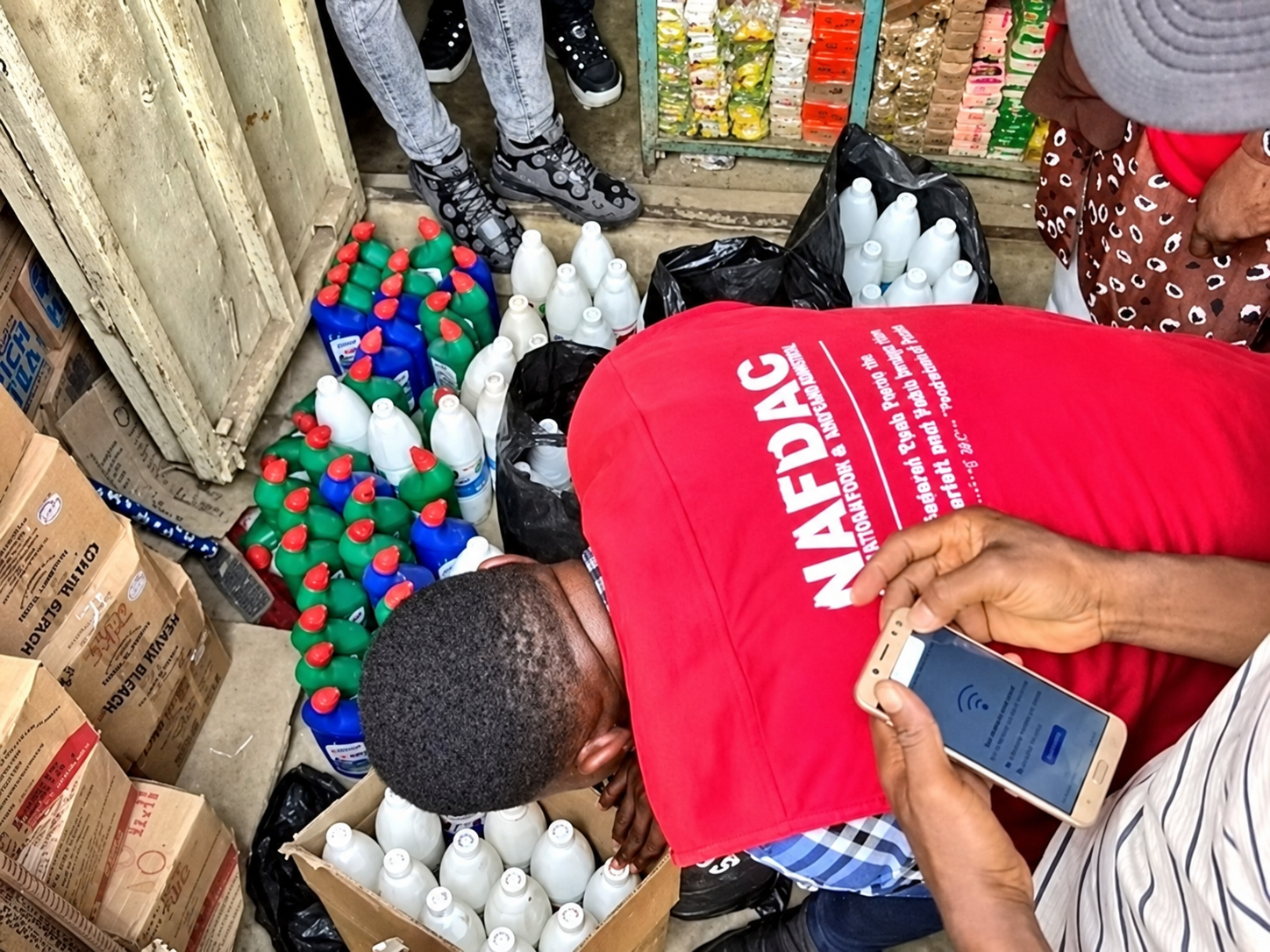
In Lagos in July 2025, NAFDAC uncovered another operation involving expired food flavourings and chemicals. Investigators said some expired products were being given fresh labels and new expiry dates before being returned to the market. The goods and chemicals discovered were valued at more than ₦1 billion.
Then there is palm oil, perhaps one of the most ordinary ingredients in Nigerian cooking.
In May 2026, the Lagos State Consumer Protection Agency raised concerns over adulterated palm oil following complaints and market surveillance. Reports described artificially enhanced oils being sold partly because their bright colour made them attractive and their lower prices made them easier to buy in a difficult economy.
That last part should worry us almost as much as the adulteration itself.
Because the fake food economy has found an ally.
Poverty.
When Survival Makes Fake Food Easier to Sell
There is a sentence in a recent Nigerian food-fraud study that almost writes this country's problem by itself.
The study is titled “If fake food doesn’t kill you, just eat it.”
Published in Food and Humanity, the research examined how Nigerians perceive food fraud and found something deeply uncomfortable: financial hardship can push consumers towards tolerating products they suspect may be fraudulent because affordability has become the stronger consideration.
The researchers identified alcoholic beverages, herbs and spices, and fats and oils among categories consumers considered particularly vulnerable. They also pointed to weak reporting systems, regulatory problems and financial gain as important drivers of the problem.
That phrase — if it doesn’t kill you, just eat it — sounds like dark Nigerian humour.
It is much sadder when you realise what sits underneath it.
When genuine cooking oil costs more than a household can comfortably afford, the cheaper bottle becomes tempting.
When the price difference between an established product and an unknown imitation can buy another meal, purity begins to look like a luxury.
People start making calculations they should never have to make about food.
This one is probably fake, but maybe it is safe.
This one tastes slightly different, but what can I do?
Everybody buys it.
We have been eating it, and nobody has died.
That is how danger becomes ordinary.
A 2024 study titled “Navigating Food Fraud: A Survey of Nigerian Consumer Knowledge and Attitudes” surveyed 2,160 people across Nigeria. More than a third did not know the term “food fraud,” even though many recognised specific examples.
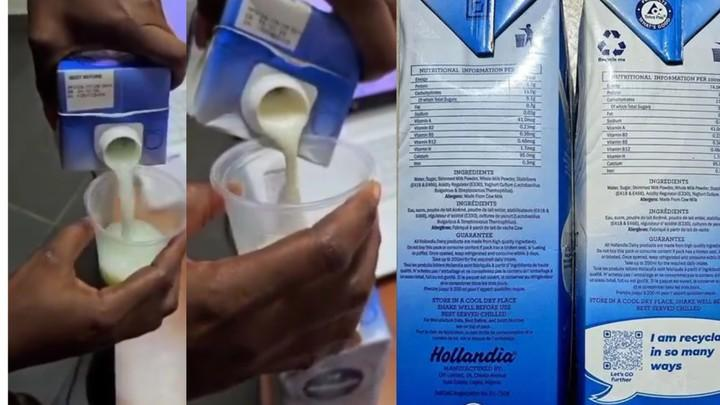
Respondents reported awareness of counterfeit dairy products, adulterated cooking oils, fake alcohol and other forms of manipulation. Almost half were unaware of NAFDAC's recall and safety-alert system.
Nigerians actually know something is wrong. They may have seen suspicious products, heard warnings from neighbours or watched somebody online hold up two nearly identical packages and explain which one is fake.
But knowledge remains fragmented. And into that uncertainty enters social media, where genuine warnings now sit beside rumours, recycled voice notes and completely false claims.
NAFDAC has itself had to debunk viral claims alleging bans on noodles, tinned tomatoes and seasoning cubes.
So consumers are trapped between two problems: fake products are real, and fake warnings about fake products are real too.
Imagine trying to protect your family inside that confusion.
Food Safety Cannot Become Another Nigerian DIY Project
Nigeria has developed an unfortunate habit of transferring systemic responsibilities to individuals.
No electricity? Buy a generator.
No water? Drill a borehole.
Poor security? Hire guards.
Bad roads? Buy a stronger car.
Now we seem dangerously close to adding another instruction:
Not sure whether your food is genuine? Learn how to detect it yourself.
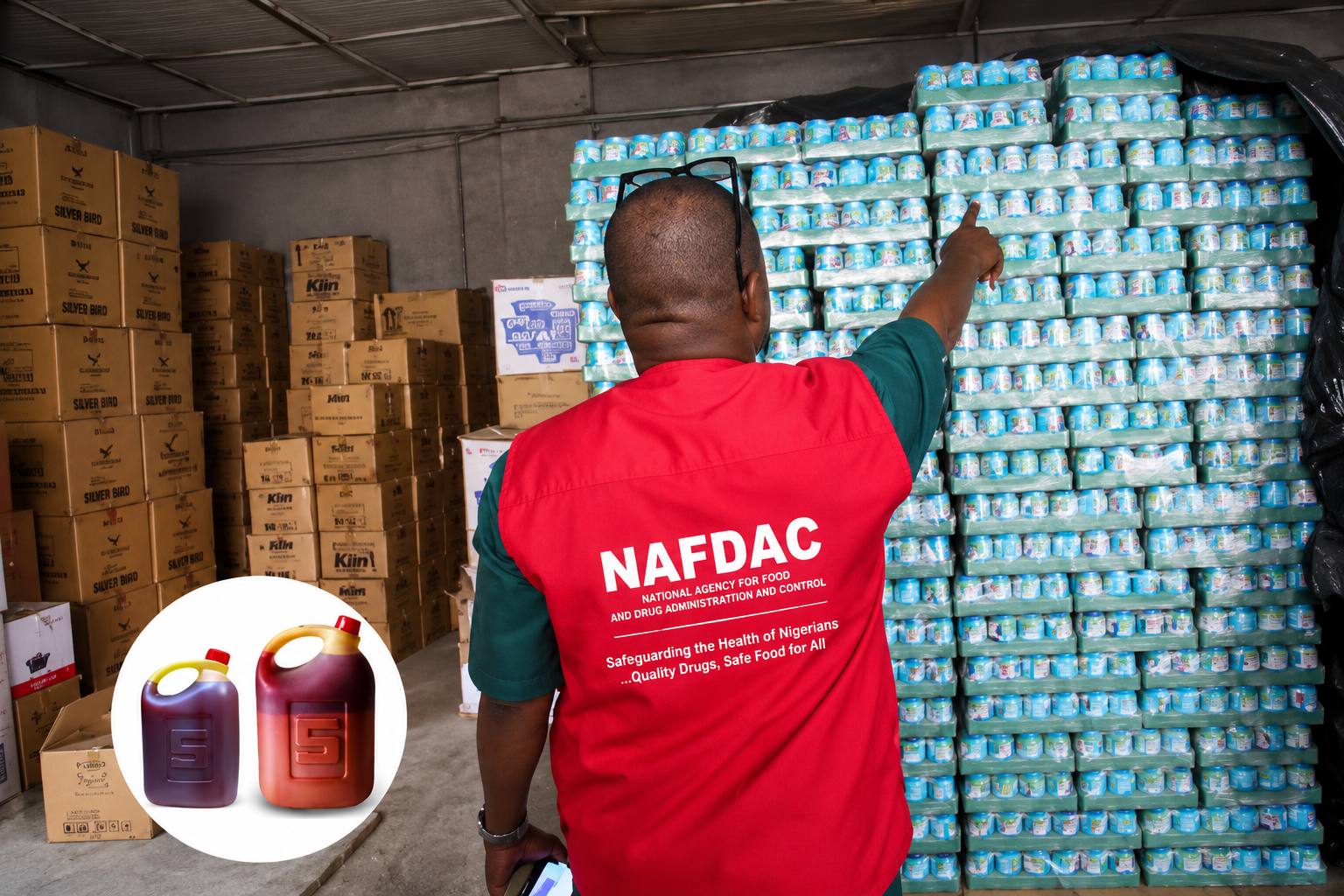
Consumers should check packaging, expiry dates, seals and NAFDAC registration where applicable. That is sensible.
But there is a limit to what somebody standing in a market can detect with their eyes.
A mother buying cooking oil cannot conduct a chemical analysis beside the seller.
A restaurant customer cannot trace where the seasoning in the kitchen came from.
A shopper should not need intimate knowledge of bottle caps, font sizes and factory markings before feeling confident enough to drink juice.
The burden cannot end with “Nigerians should be vigilant.”
Regulation has to become visible before dangerous products reach the table, not spectacular only after warehouses have been raided.
That requires stronger market surveillance, traceable supply chains, easier reporting channels, faster public alerts and consequences painful enough to make counterfeiting less profitable.
It also requires acknowledging the economic environment feeding this trade.
A country cannot discuss food fraud seriously while ignoring food affordability.
When incomes are stretched and families are trading down from products they know to whatever they can afford, counterfeiters receive an expanding market of vulnerable consumers.
And honest businesses suffer too.
Every fake bottle carrying a genuine company's identity damages somebody who followed the rules. Every adulterated product sold more cheaply punishes producers trying to maintain standards.
Eventually the damage reaches something even harder to restore than money.
Trust.
Trust that the label means something.
Trust that the expiry date is real.
Trust that the bottle contains what the bottle says.
Trust that somebody inspected it before it reached you.
A functioning food market depends on that invisible agreement between the person making something and the stranger eventually eating it.
Nigeria cannot afford to lose it, because food insecurity is already frightening enough when the question is whether people can afford to eat.
We should be terrified when the question becomes whether they can trust what they finally manage to buy.