Nigeria’s Census Crisis: Why You Can’t Secure a Country You Can’t Count
Nigeria’s insecurity is fueled by outdated data and a lack of accurate population counts. Without a proper census, cities like Lagos are underfunded, infrastructure collapses, and security planning fails. Discover why counting every Nigerian is key to national safety and development.
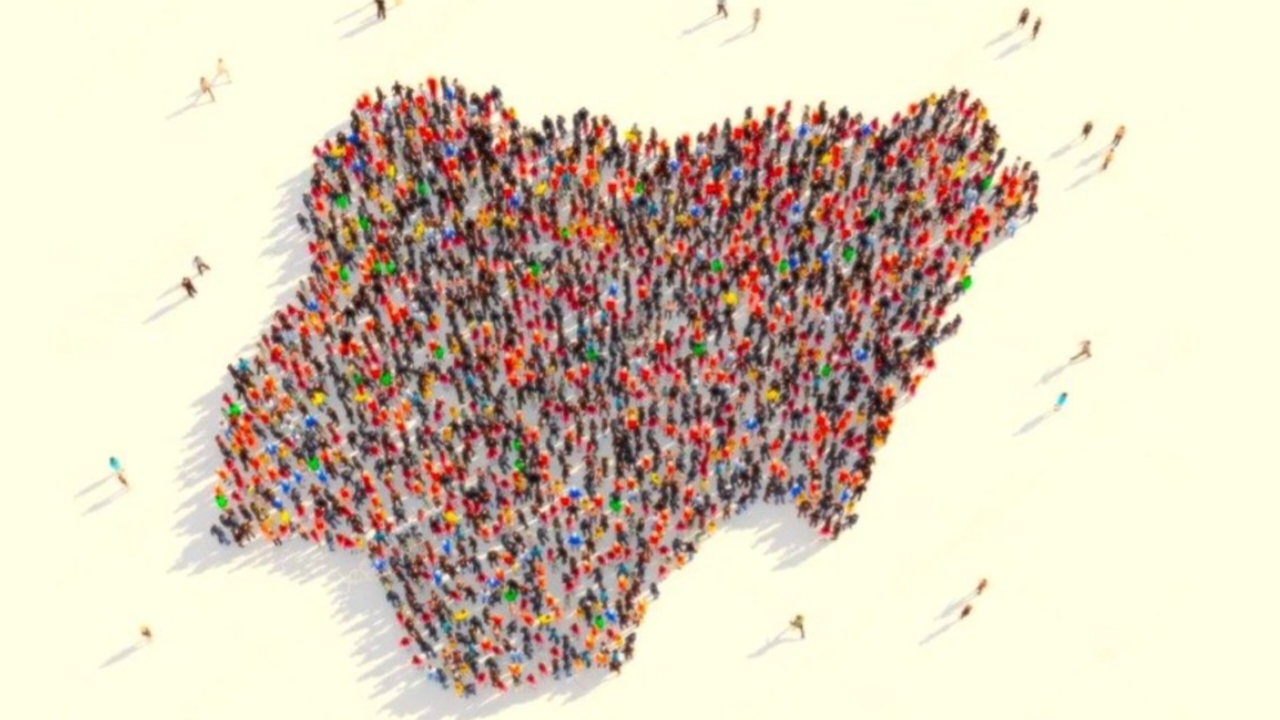
For years, the conversation around insecurity in Nigeria has circled around banditry, terrorism, kidnapping, communal clashes, farmer–herder conflicts, and the steady erosion of safety across states. Yet beneath these loud headlines lies a quiet truth, one that is rarely confronted but sits at the heart of the nation’s struggle: you cannot secure a country you cannot count.
Nigeria, Africa’s most populous nation on paper, has been moving blindly for almost two decades. The last census that was held in Nigeria was conducted in 2006, which means the country has been allegedly planning the system infrastructure based on assumptions, from the security architecture, to economic policy, and resource allocation based on figures that are now nearly two decades old. In a country with high birth rates, rapid migration, expanding urban centres, and growing insecurity, this is nothing short of a national crisis, because how well do we know if all its citizens are being catered for fully.
A Country Running Blind Without Reliable Data and When Counting Becomes a Struggle for Power
Accurate population data is the foundation of national planning. It tells a country who its people are, where they live, and how to protect and provide for them, this ensures the overall monitoring of the country's infrastructural growth . But Nigeria does not have that privilege. Without current numbers, every policy, from healthcare to policing seems to be like some sort of a guesswork exercise.
We are fighting insecurity without updated maps, demographic patterns, or verified population distribution. Bandit activity, kidnapping hotspots, internal displacement, and rising urban congestion are all happening in a demographic fog.
And this fog did not begin today, it seems to be that Nigeria’s census problem is not just administrative; it is more likely historical and political.
When the British conducted the first attempt at a population count in 1866, they only counted the southern territories. The northern region, governed by long-established dynasties and emirates, remained largely uncounted until 1952. This uneven approach etched a deep distrust into Nigeria’s political landscape. From the very beginning, population was never about planning, it was about power.
In the post-colonial era, census figures became tools for political advantage:
One side feared being undercounted, as it meant less political representation and fewer resources.
The other side feared being outnumbered, as it meant loss of influence in the federal structure.
This fear has followed every national census attempt since independence.
The 2006 census, the last officially recognized one, was heavily contested, mistrusted, and widely criticized. Today, it no longer reflects the massive demographic explosion, internal migration, and urban growth Nigeria has experienced. If you think about the countries population have sporadically increased in the past two decades, the longest and traffic jams in Lagos, the urbanization of even rural communities and the booming merch market in the eastern part of Nigeria shows one thing, Nigeria is growing really fast and her leaders and its citizens seems to not be catching the pace.
The Real-Life Consequence: Millions of Nigerians Disappear on Paper
This is where the problem becomes personal. According to a content creator who made a video on Instagram, Let's imagine a state like Lagos has an estimated 25 million residents which might even be more than that and with the influx of citizens trooping in into Nigeria's commercial city on a daily basis and the official federal still fund the city as if it has 17 million, then the missing 8 million people do not vanish into thin air, they are basically left unattended to.
They show up in:
Heavy traffic congestion
overcrowded hospitals
overstretched schools
housing shortages
overfilled prisons
waste management failures
and, ultimately, the insecurity everyone is feeling today
When infrastructure is built for one population size but used by millions more, pressure builds until the system breaks. Nigeria is witnessing those cracks today.
The same issue affects states across the federation. Rural areas depopulate silently as young people migrate to cities in search of opportunity. New settlements spring up without documentation. Security agencies do not know exactly where people live or how many lives they are meant to protect and a nation cannot plan security on guesswork
Nigeria Data and National Security.
National security is data-driven. To deploy police effectively, you must know the population distribution. To fight bandits, you must understand where people live and how far they travel. To curb terrorism, you must map communities accurately. To design borders, checkpoints, and surveillance systems, you need verified numbers.
But it seems to be that Nigeria is planning security like a doctor trying to diagnose a patient in the dark.
A country moving this fast, economically, demographically, and socially, cannot rely on numbers that predate the era of smartphones, social media, and the Fourth Industrial Revolution.
For a country that is being tagged the Giant of Africa, that Giant seem to be sleeping and it's high time that her leaders and citizens wake up the sleeping Giant
Conclusion
If the nation has its citizens at heart there must be accountability for everyone one of them and that is not something to be trivialized. A proper population census helps the nation to answer very crucial questions:
How many are we?
Who are we?
Where do we live?
How can we help these numbers of individuals?
In 2025, it is heartbreaking to say that Nigeria cannot confidently answer any of these questions and without these answers, insecurity becomes harder to fight, development becomes uneven, and national planning turns into a gamble.
So it is clear to everyone that a new census is not just about counting people, it is about rebuilding trust and catering for their welfare.

For Nigeria to move forward, census data must be seen as:
credible
transparent
free of political manipulation
technologically enhanced
independently verified
Everyone deserves the right to feel heard, being seen and included in the governance of the country and without this trust, the country will continue drifting, planning blindly, and paying an enormous economic and human price.
Nigeria’s insecurity is not just a failure of policing, it is a failure of information and it can be fixed.
A nation cannot secure what it cannot see.
It cannot protect people, it cannot count.
It cannot allocate resources to populations it refuses to acknowledge.
As long as Nigeria continues to operate on outdated numbers, every sector will remain under pressure and heavily congested, every region will feel underserved because citizens in deep rural villages deserved to catered for too, they are part of the country and if this isn't done every attempt to fight insecurity of any form ranging from banditry to food shortage will be reactive rather than strategic plan.
If Nigeria wants a safer, more secure future, the first step is not more guns or more checkpoints, it is an honest, modern, nationwide census.
Only then can the country begin to understand itself well enough to protect itself.