Nigeria Plans to Phase Out Electricity Subsidies From 2027. Should We Be Worried?
Nigeria plans to phase out electricity subsidies from 2027, but says no immediate tariff increase is planned. What will the reform mean for consumers?
If you are Nigerian, you probably remember what happened when the government removed the fuel subsidy.
The price of petrol changed almost immediately, transport fares went up, moving goods became more expensive and businesses adjusted their prices. Before long, the cost of living was touching almost everything.
So when you hear that the Federal Government now wants to end another subsidy, this time on electricity, it is easy to think: here we go again.
But there is an important difference this time: the government has not announced an immediate electricity tariff increase.
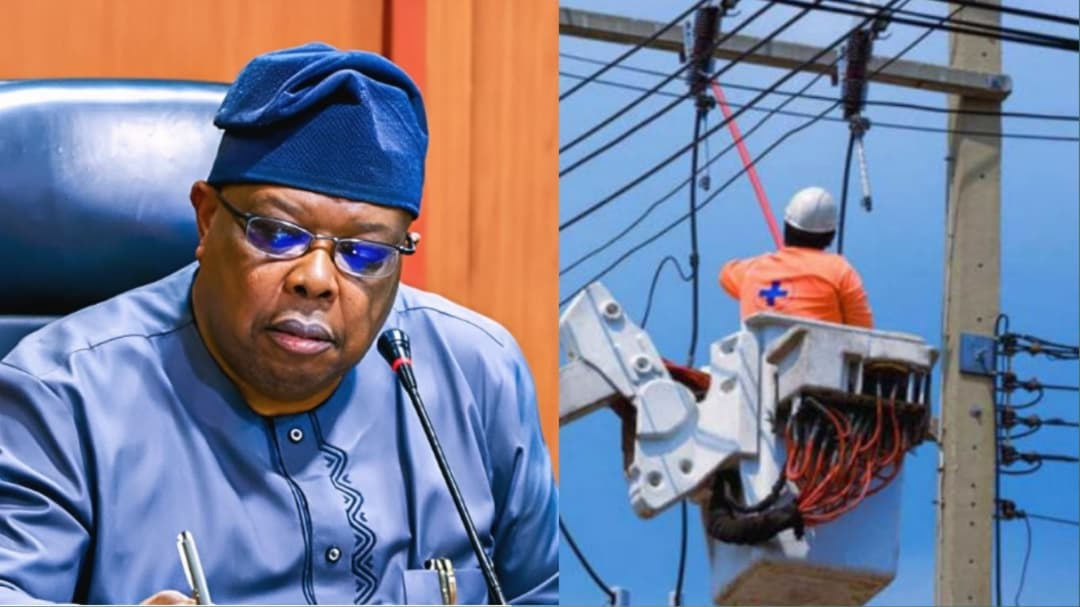
The Minister of Power, Joseph Tegbe,said on July 31 that the government intends to put an end to what he called the power-sector subsidy from 2027.
Tegbe alsoruled out moving every consumer to Band A, the category meant to receive at least 20 hours of electricity daily at a higher tariff.
That leaves us with an ambition for 2027, but not yet a detailed or final policy explaining how it will be implemented.
If the government eventually stops covering the subsidy, and consumers are not immediately required to pay more, who covers the difference?
The bill has to go somewhere
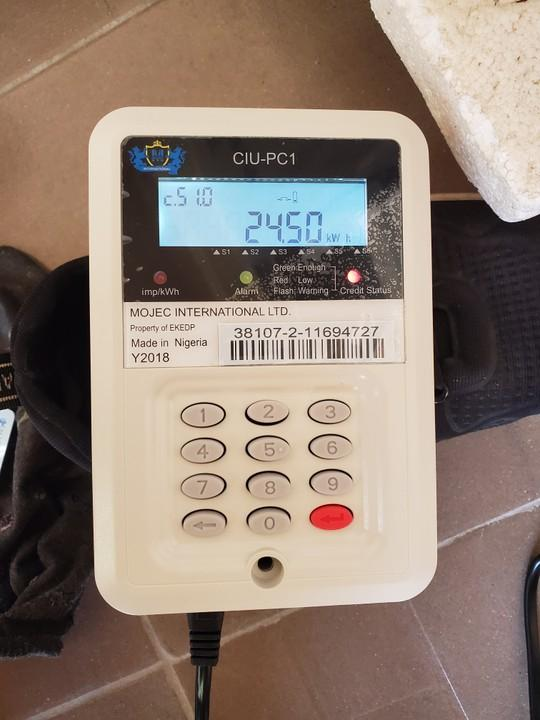
Most of us do not think about electricity subsidies when we buy units or receive a bill, we think about whether the light is on.
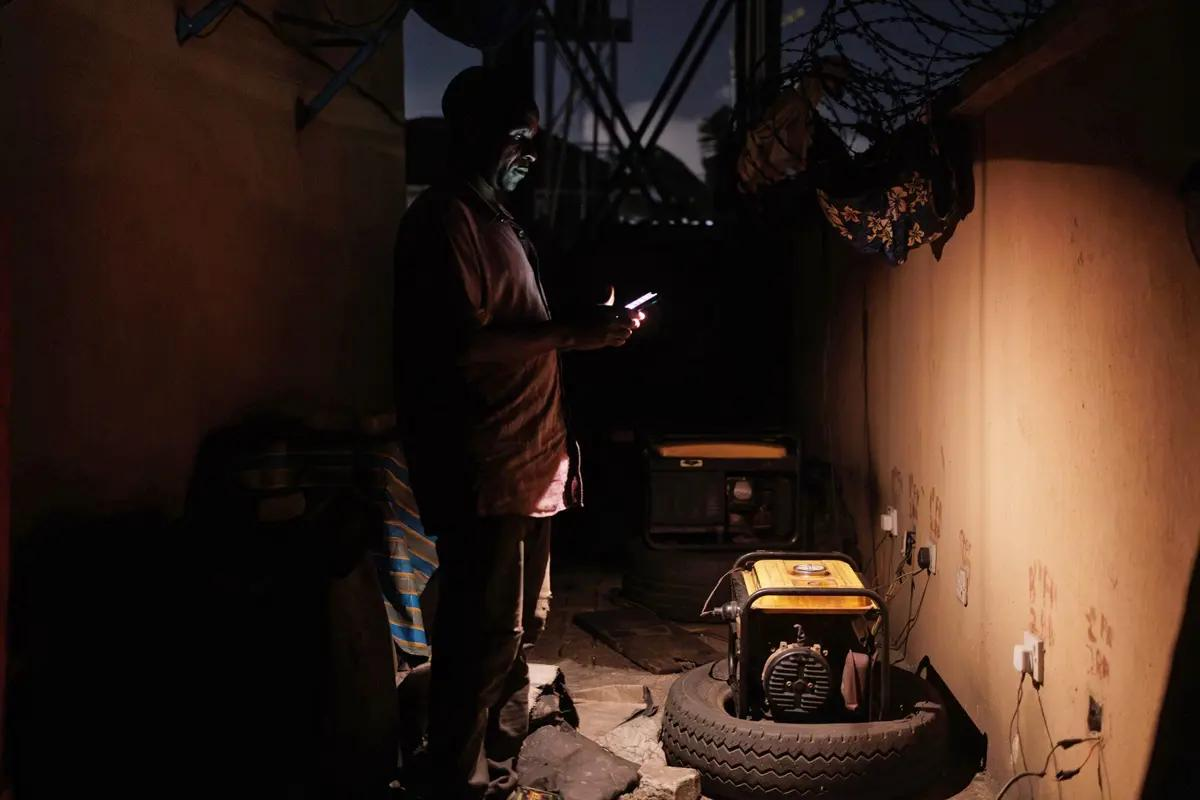
When it isn't, the generator comes out and we buy petrol or diesel. A household that has already paid an electricity bill can end up paying again just to keep the fridge running or charge a phone.
Tegbe put the power sector's legacy liabilities at approximately ₦3.3 trillion and said the Federal Government was seeking approval to address them through a more sustainable funding structure.
The exact figures around the power sector's debts and subsidy costs need to be separated carefully because different amounts have been reported for different obligations. But the electricity market has struggled to cover its costs, and the government has continued to cover part of the shortfall.
The government now wants to reduce and ultimately eliminate that shortfall.
There are only so many ways to make that work.
The sector could become cheaper to operate. Electricity companies could collect more of the money they are owed, metering could improve, technical and commercial losses could fall. The government could provide targeted support to people who genuinely need it instead of subsidising the wider market.
Or, at some point, consumers could end up paying more.
What happens to people who cannot afford it?
Tegbe has said the government willcontinue to examine mechanisms for protecting vulnerable consumers who cannot afford the full cost of electricity.

The details will matter more than the promise.
Who qualifies as vulnerable, and will support be based on income, electricity consumption or the type of tariff band a household falls into? What happens to people living in rented apartments where several households share one meter, and how will the government make sure that support actually reaches the people it is meant for?
How they get answered will determine whether subsidy removal becomes a manageable reform or another increase in the cost of surviving.
The government is also promising better service.
Tegbe said its priority is toimprove electricity supply, expand access and ensure that consumers pay only for the electricity they actually use. He also pointed to communities receiving as much as 16 hours of power daily.
But a claim that some communities are getting more hours does not tell us enough about the experience of the average consumer.
We already know what many people do when electricity is unreliable: we spend more money elsewhere to replace it.
If the government wants to move away from electricity subsidies, the calculation has to change.
We should be getting enough reliable electricity that the money we pay for power does not feel like only one part of the cost of keeping the lights on.
2027 is barely a year away.
Before any phase-out begins, we need to see what happens to the sector's debts, how electricity supply improves, how billing becomes more accurate and how vulnerable households will be protected.
Unless the government fixes enough of the power system before then, that cost may simply land back on you and me.