Ghana's Constitution in Crisis: Fierce Debate Rages Over Reforms and 5-Year Term
Ghana's constitutional review process is facing intense scrutiny, with the NPP advocating for a Consultative Assembly and legal experts like Martin Kpebu urging direct government-opposition engagement. Key proposed reforms, including a five-year presidential term, are drawing strong opposition from CSOs and Kweku Ansa-Asare, who champion citizen participation, retention of the four-year term, and reduced presidential power.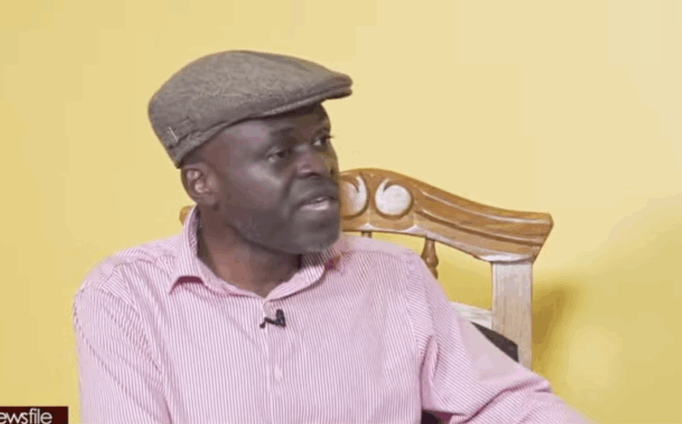
Ghana's proposed constitutional review process has ignited significant debate among legal practitioners, political parties, and civil society organizations, particularly concerning the methodology of reform and specific proposed amendments. The New Patriotic Party (NPP) has notably rejected the government's approach to reviewing the 1992 Constitution, advocating instead for the establishment of a Consultative Assembly to deliberate on the proposed changes. This stance, articulated by figures like Member of Parliament Kojo Oppong Nkrumah, suggests that the scale of reforms warrants more than routine amendments and pledges opposition to parliamentary passage and referendum campaigning against the government's proposals.
Private legal practitioner Martin Kpebu has weighed in on the NPP's proposal, agreeing with the fundamental spirit of broader consultation but questioning the necessity of establishing another Consultative Assembly. Drawing parallels to the process that yielded the 1992 Constitution, Mr. Kpebu expressed evolving thoughts on whether repeating the same model is optimal. He suggests a more direct and flexible engagement process, proposing serious negotiations between the government and the NPP to identify areas of consensus, possibly supplemented by an online ballot for agreed points before a national referendum. Kpebu emphasized the critical importance of involving the NPP, given its substantial public following—nearly 42% in the last election—which is crucial for meeting the constitutional threshold for certain amendments requiring 40% voter turnout and 75% approval in a referendum. He criticized the government for failing to make the NPP "front and center" of the process and admonished the President for prematurely announcing proposed changes, such as a five-year presidential term, without adequate prior consultation, deeming such pronouncements an "own goal." Furthermore, Kpebu warned that creating additional bureaucratic structures like a new Consultative Assembly could significantly delay the constitutional amendment process, potentially pushing reforms beyond 2028.
Among the most contentious proposed reforms is the extension of Ghana’s presidential term from four to five years. This proposal has met strong opposition from various quarters. Former Director of the Ghana School of Law, Kweku Ansa-Asare, firmly rejected the five-year term, characterizing it as unnecessary and a potential avenue for corruption and abuse of public resources. He argued that a president unable to deliver within a four-year mandate should not seek office, expressing disappointment at the government's perceived fast-tracking of the review process. Ansa-Asare also raised concerns about the timing of the proposed changes, fearing they could disrupt the 2028 election year and extend beyond it.
The Civil Society Organisation Platform on Constitutional Reforms, chaired by Prof. Akosua Darkwah, has also vocally advocated for a people-centred approach, emphasizing the crucial need for citizens to be informed, consulted, and genuinely empowered to express their views, with their contributions visibly influencing the outcome. The platform asserted that the Constitution belongs to the Ghanaian people, not solely to the government, parliament, or political parties. It strongly disagreed with several aspects of the government's reforms, particularly regarding the concentration of power in the presidency, the independence of institutions, public officer accountability, and the protection of state resources.
Specifically, the CSO Platform firmly endorsed the retention of the existing four-year term for both the president and Members of Parliament. Prof. Darkwah argued that with accepted reforms on election dates, transition periods, and the powers of an outgoing administration, many justifications for an extension are already addressed. She further contended that if the government reconsiders limiting presidential power and promoting institutional independence and inter-branch accountability, the current four-year term would be entirely sufficient. The platform also called for appointments to be made through transparent, competitive, and merit-based processes by independent oversight institutions, rather than remaining under broad presidential discretion. It advocated for a clear separation between the executive and parliament, proposing a constitutional prohibition on MPs serving on boards or procurement committees of publicly funded institutions, and supported the establishment of a Devolution Commission to coordinate decentralization efforts.
The collective sentiment from these discussions underscores a critical demand for broad consensus, transparency, and genuine public participation in Ghana's constitutional reform efforts. The ongoing debate highlights fundamental disagreements over both the process and substance of amendments, particularly concerning presidential powers, term limits, and the mechanisms for ensuring a truly representative and accountable governance framework.