Nigeria Passed a State Police Bill in 24 Hours. What Is It All About?
Nigeria's National Assembly passed the State Police Bill in days. Here's everything you need to know about the new changes made, who controls it, and what still stands in its way.
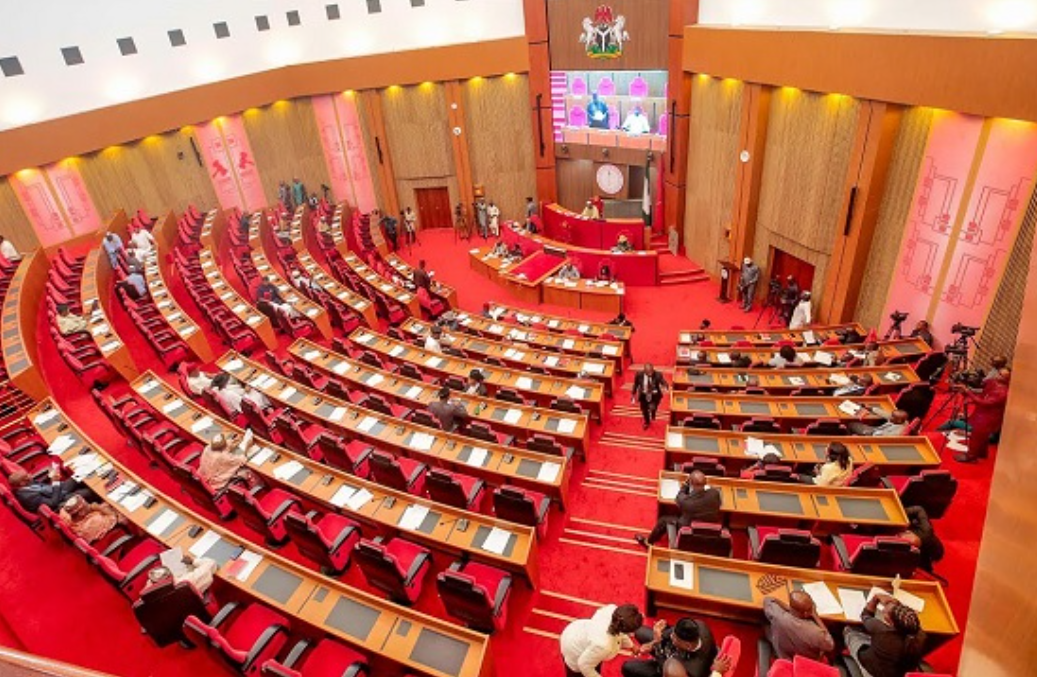
The Senate took a single day to do what Nigeria has argued about for two decades. On June 24, lawmakers passed the Constitution of the Federal Republic of Nigeria (Alteration) (State Police) Bill, 2026, fast-tracking it through every stage during an emergency sitting.
The House of Representatives had already cleared its own version on June 11. What's left now is ratification, and that part of the process will move at a very different pace.
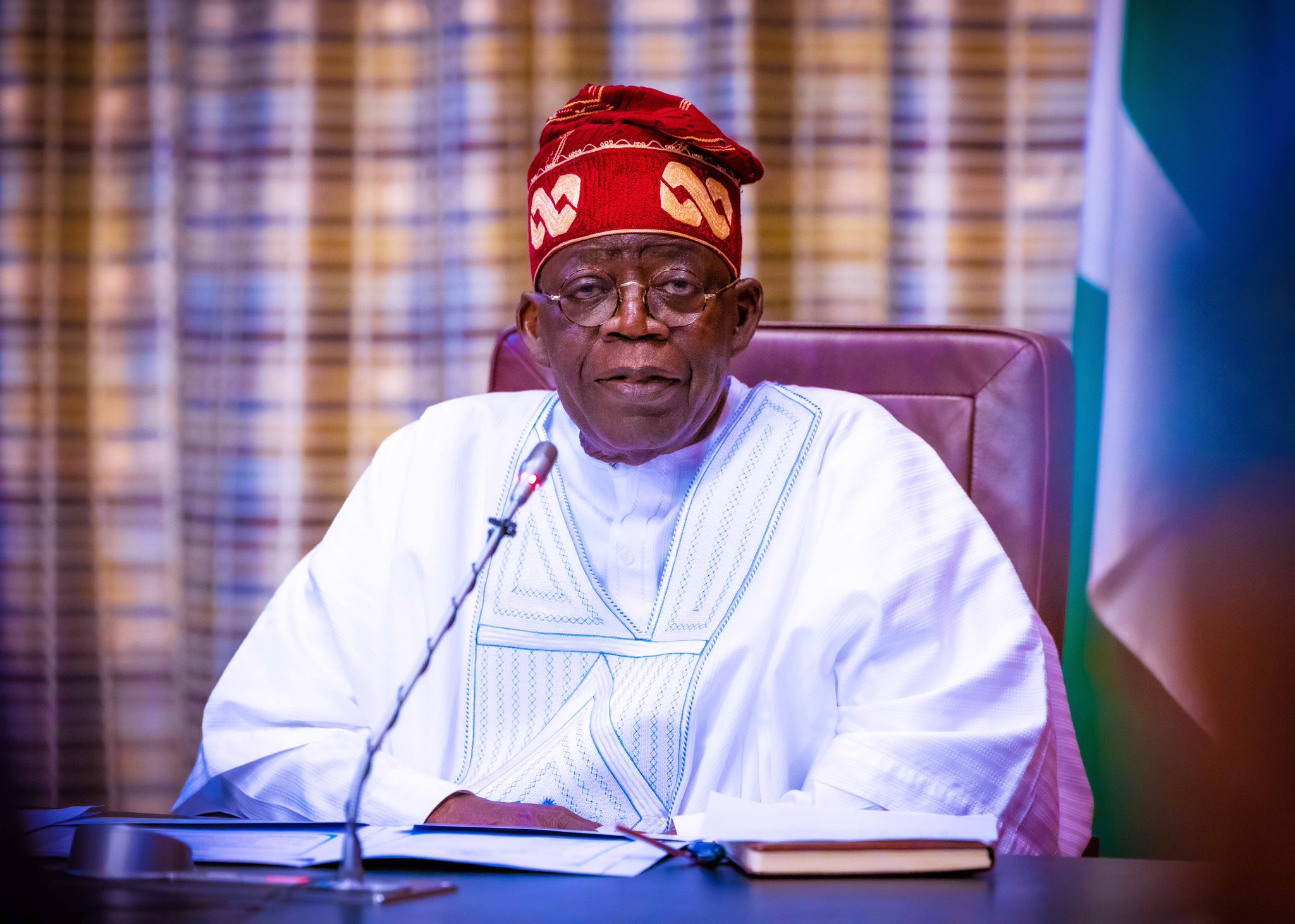
President Bola Ahmed Tinubu transmitted the bill to the National Assembly and described it as an epoch-making reform, language that signals how central this legislation has become to his administration's response to Nigeria's security crisis.
The Senate processed it through the Committee on the Review of the Constitution, and both chambers have now passed it. Before it becomes law, at least 24 of Nigeria's 36 State Houses of Assembly must ratify it, and only then does it return for presidential assent.
Why Decentralised Policing, and Why Now?
Nigeria has spent years governed by a single, centralised police force trying to cover a country of more than 200 million people across wildly different security environments.
Banditry in the northwest, kidnapping along major highways, insurgency in the northeast, and a long list of localised threats have stretched that federal structure past what it was designed to handle.
Supporters of the bill argue that state-level policing allows for faster response times, intelligence gathering that reflects local realities, and accountability structures closer to the communities being policed.
This isn't the first attempt at police reform under recent administrations. President Muhammadu Buhari signed the Nigeria Police Act 2020 into law on September 16 of that year, a reform focused on internal management, human rights protections, and accountability within the existing federal structure.
That Act never touched the constitutional barrier preventing states from running their own police forces. The 2026 bill does exactly that, amending the 1999 Constitution itself rather than adjusting policy around its edges, which is part of why the legislative process around it carries so much more weight.
What Does This Bill Change?
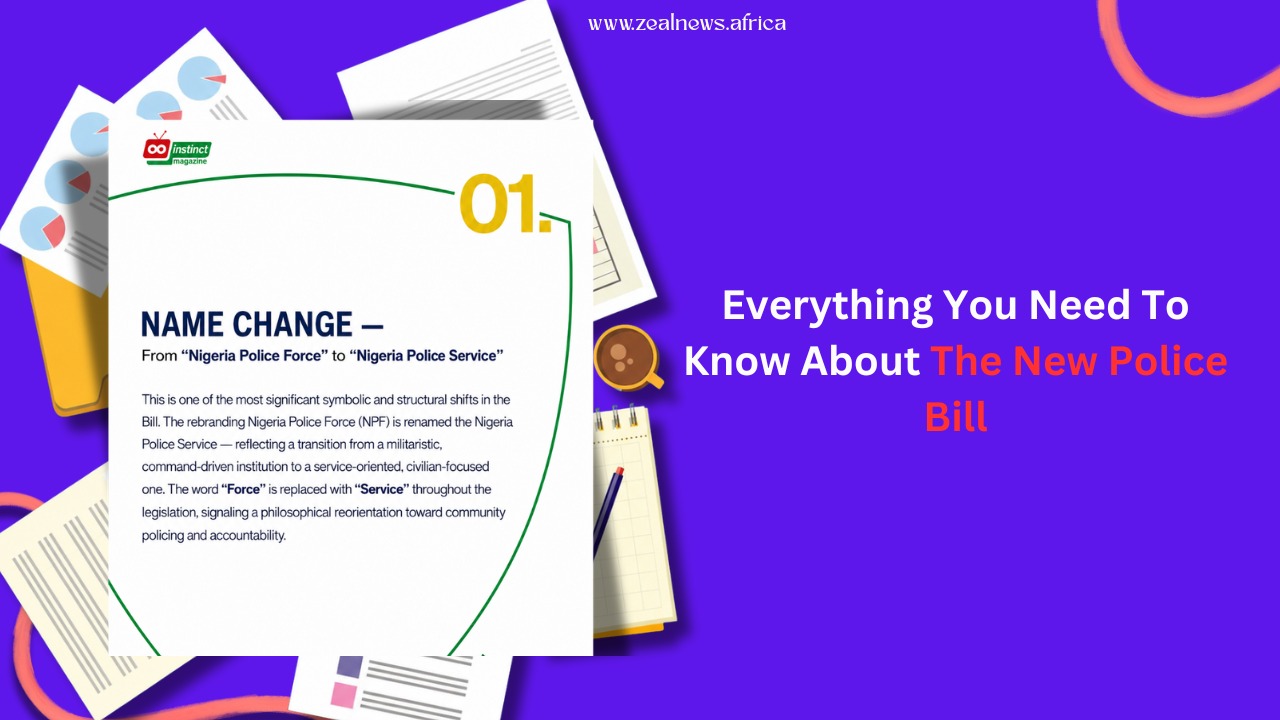
The legislation rewrites police architecture at almost every level. The Nigeria Police Force becomes the Nigeria Police Service, a name change meant to signal a shift toward community-oriented policing rather than a force structured primarily around enforcement.
State Police are formally established across all 36 states and the Federal Capital Territory, operating alongside the Federal Police Service rather than replacing it, with the FCT's police answerable to the Minister of the FCT.
Oversight runs through two tiers. At the federal level, a strengthened Nigeria Police Council, chaired by the President and including every state governor along with senior police leadership, advises on national policy and coordination between federal and state forces.
At the state level, each governor will chair a State Police Service Council responsible for policy and management within that state.
Funding follows the same dual structure. Federal Police draw from the Federation's Consolidated Revenue Fund, while State Police are funded directly by their respective state governments, a detail that immediately raises questions about which states can actually afford to run an effective police service and which will struggle.
Leadership terms have also been tightened. The Inspector-General of Police will serve a single four-year term with no renewal option, removing the possibility of an IG angling for reappointment through political favour.
State Commissioners of Police will be appointed by governors, subject to confirmation, and will also serve a single four-year term.
Each state gets its own Police Service Commission to handle appointments, promotions, and discipline at that level, while the federal commission focuses solely on the national service.
The Safeguards Written Into the Bill, and the Questions Still Open
Decentralising policing in a country with Nigeria's political history carries an obvious risk: state police forces becoming tools for governors to intimidate opposition or consolidate local power.
The bill attempts to address this directly. It includes provisions meant to protect operational independence, requiring that executive directives to police leadership be issued in writing rather than verbally, and it establishes Complaints Response Units intended to catch and address abuse before it escalates.

Existing officers won't be left in limbo during the transition. The bill sets a 24-month window for current personnel to move into either federal or state services, with a joint committee tasked with protecting ranks, pensions, and existing conditions of service throughout the shift.
That timeline matters for an institution with hundreds of thousands of personnel, where a poorly managed transition could create exactly the kind of operational gaps the bill is supposed to close.
The most significant structural change sits in the constitutional mechanics. Policing currently sits on Nigeria's Exclusive Legislative List, meaning only the federal government has constitutional authority over it.
This bill moves policing to the Concurrent List, opening the door for both federal and state governments to legislate on the matter. That shift requires the broader constitutional amendments the bill sets in motion, which is precisely why a simple State Houses of Assembly ratification process now stands between this bill and becoming enforceable law.
What Will Happen Next?
Getting 24 state assemblies to ratify a constitutional amendment within a politically charged security debate is rarely a formality, even with strong support at the federal level.
Some governors will weigh the funding burden of standing up an entirely new police force against the political benefit of greater local control. Others may push back on oversight provisions they see as too restrictive, or too weak, depending on which side of the security debate they sit on.
What's clear is that Nigeria has moved further on police decentralisation in the span of a few weeks than it managed in the sixteen years since the idea last gained serious traction. Whether that speed translates into a police structure that actually reduces insecurity, or simply multiplies the points where policing can go wrong, depends entirely on how state governments handle the implementation the bill has now made possible.