Nigeria Is Courting 14 German Companies. What Do They Make and What Could They Do Here?
Fourteen German companies are exploring industrial opportunities in Nigeria. What do they do, what capabilities do they bring, and where could their expertise fit into Nigerian industry?
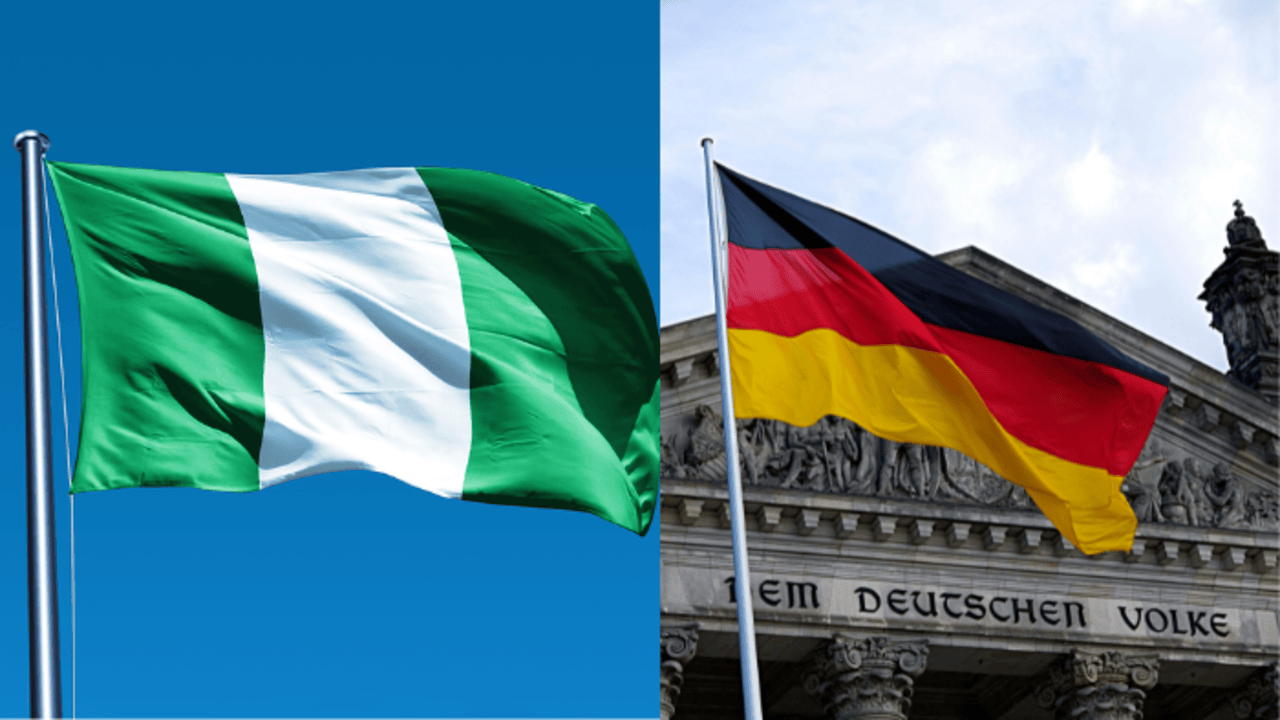
On September 25, 2026,14 German industrial companies gathered in Abuja for a conference focused on Nigeria's cement, mining, construction and industrial technology sectors.
Their company names may mean little outside the industrial sector, but their businesses are easier to picture: equipment for grinding cement and minerals, systems for moving bulk materials, machinery for testing construction products, industrial automation and technology for monitoring machines.
What Are These Companies Actually Bringing?
A large part of the group deals around cement and minerals processing.
Gebr. Pfeiffer, Fuller and thyssenkrupp Polysius supply equipment and technology for those industries.
BEUMER Group, HAVER & BOECKER and Qlar Group work with the movement, handling, processing and packaging of bulk materials.
DALOG Diagnosesysteme develops machinery-monitoring systems, while SEW-EURODRIVE supplies drive and automation technology.
oni Technik and TESTING Bluhm & Feuerherdt make equipment used to test construction materials.
Telschig handles process and material handling, Thorwesten Vent specialises in industrial ventilation and explosion protection, and innovatherm in industrial process technology.
ODDO BHF is the outlier, bringing financial services into a group otherwise dominated by machinery and industrial technology.
Why Does This Mix Matter in Nigeria?
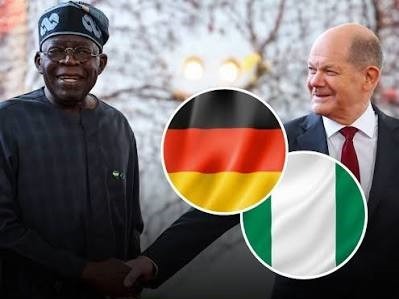
Nigeria already has large cement producers, manufacturers and mineral deposits.
The German companies are offering technology for the systems around those industries: processing, maintenance, automation, testing and material handling.
That connection is already visible in the companies the delegation engaged with. At Dangote Cement, discussions covered process optimisation, automation, predictive maintenance, quality assurance and energy efficiency. HBM Nigeria, formerly Lafarge Africa, held similar technical discussions around plant efficiency, reliability, automation and maintenance.
HBM Nigeria is also working onthe engineering design for a proposed 3-million-tonne third production line at its Calabar plant. At the Lagos Free Zone, the delegation visited SBS, a SANA Group company involved in local manufacturing and building-material technology.
The focus extends beyond cement.
A September 24 meeting with the German OEM delegation at the Steel Development Ministry covered steel production, mineral processing, equipment manufacturing, engineering services and technology transfer.
What Is the €300 Million For?
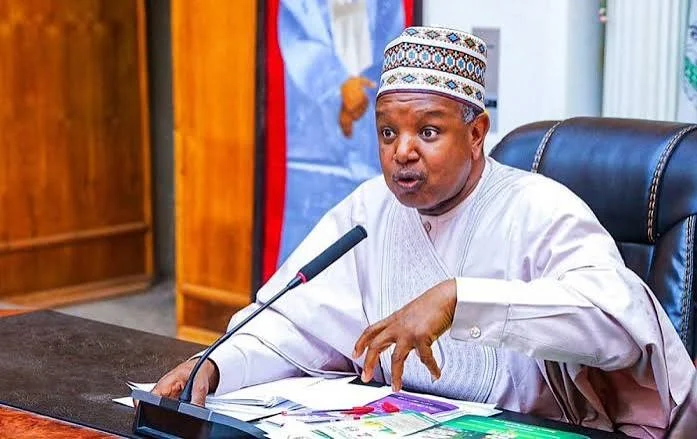
In June, Germany and Nigeriasigned a €300 million framework for export credit guarantees. The German government agreed in principle to provide guarantees up to that amount for eligible transactions between German companies and the Nigerian state.

It is not a €300 million investment fund for the 14 companies.
An export credit guarantee can help an exporter or its financing bank manage specified commercial and political risks when selling equipment or services.
That makes ODDO BHF relevant to the group. Large industrial projects need financing alongside the equipment itself.
The framework does not mean funding has already been attached to the companies that visited Nigeria. Individual transactions would still have to be developed and approved.
So What Is Actually on the Table?
The companies are not coming into Nigeria with one single project as their businesses point to several areas where German technology could fit into existing or planned industrial activity.
What has not been announced from the September mission is which of those discussions will become a specific investment, supply contract or new facility.