Nigeria Wants Its Export Products to Be Traceable With a QR Code. How Will It Work?
Nigeria wants buyers to scan exported products and trace their Halal certification back to the factory. As concerns over fake and counterfeit goods put more focus on product verification, the system will depend on how the certification and database behind each QR code are built and maintained.

A Nigerian product could soon leave the factory with a QR code that a buyer abroad can scan to check where it came from.
The Federal Government is developing a national Halal framework that will introduce QR-based certification for Nigerian products, with the aim of improving traceability and access to international markets.
Aliyu Sheriff, Special Assistant to the President on Export Expansion and secretary of the Nigeria Halal Economy Strategy Implementation Committee, announced the plan on September 27 at the Malaysia International Halal Showcase in Kuala Lumpur.
"We want to have our own Halal mark where you have a QR based code on it, so that for every export that goes out, it is normal to scan and trace back the product to the factory of origin," Sheriff said.
The framework is expected to cover certification, accreditation and traceability and is being finalised for completion before the end of 2026.
Nigeria Already Has the Certification
The QR code is being added to a process that already exists.
TheStandards Organisation of Nigeria (SON) certifies Halal products after checking their raw materials, suppliers, production processes and Halal procedures. Its process includes an audit, review of records, corrective actions where necessary and technical review before a certificate is issued.
Those requirements vary by product and destination as exporters must also meet the specifications of the countries receiving their goods.
Nigeria has been trying to organise the Halal sector more broadly. SON was developing an operational framework for the industry in 2023.
The new proposal brings certification, accreditation and traceability into one national framework.
Nigeria Already Uses QR Codes to Check Products
The idea of putting a QR code on a certified product is not entirely new in Nigeria.
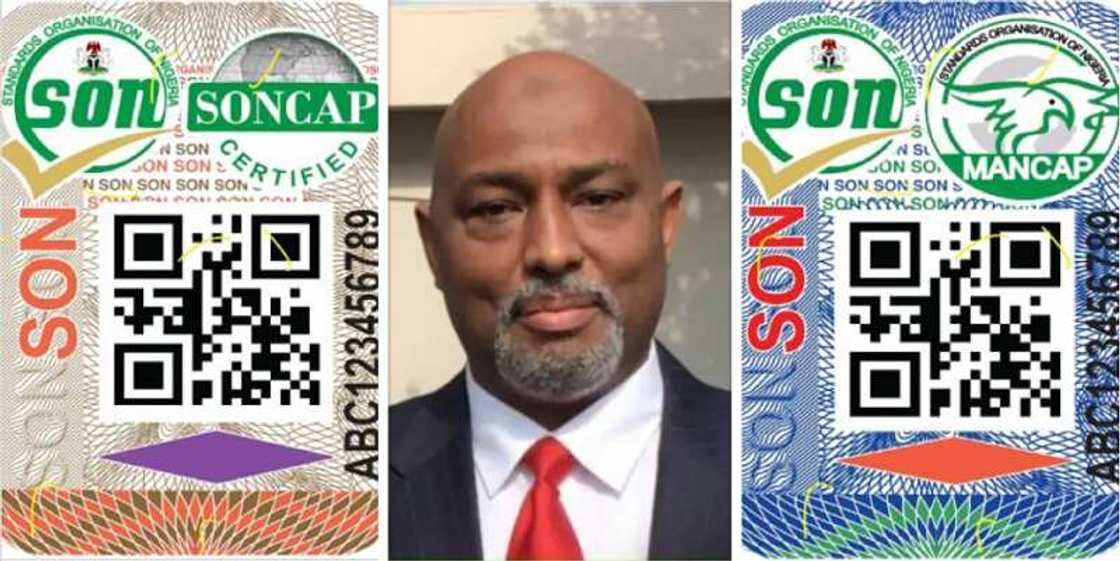
SON's Product Authentication Mark (PAM) already uses product-specific stickers with security features and QR codes. The system allows consumers to verify certified products and helps SON track them.
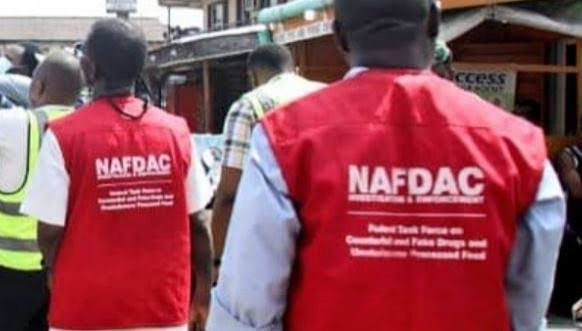
That existing system is relevant as Nigerians deal with renewed concerns over suspected fake and substandard products. NAFDAC said it received 225 complaints about suspected counterfeit products in August, although it stressed that complaints and social media claims must still be investigated before a product can be confirmed as counterfeit.
The proposed Halal mark would use a similar digital approach for a different purpose. Instead of checking a product's general authentication status, an overseas buyer would be able to scan the mark and, according to Sheriff, trace the Halal certification back to the factory where the product was made.
The government has not yet published the full details of what information the scan will return.
The Certificate Has to Be Recognised Abroad
A Nigerian certificate does not automatically become acceptable in every country.
Saudi Arabia, for example, requires Halal documentation for certain imported foods. Its food regulator says meat, poultry and their products require Halal slaughter certificates from recognised Halal certification bodies.

That is why accreditation and recognition matter alongside the QR code. Nigeria can create a digital way to verify its certificate, but the certification still has to meet the rules of the country receiving the product.
Nigeria says it is studying Halal systems in Malaysia and Indonesia while developing its own. Malaysia already has a national Halal certification system with online applications and a public system for checking Halal status.
Capacity-development activities are planned for November, with the framework expected before the end of 2026.
The details of what sits behind the QR code, and how those certificates will be recognised in the markets Nigerian exporters are targeting, are still being worked out.