Nigeria Is Building Digital Free Zones. What Changes for Tech Businesses?
Nigeria’s digital free zones could give technology and service businesses a more favourable environment to operate from Nigeria and serve global markets. Their value will depend on the tax, banking, regulatory and operational rules the government puts in place.
Nigeria has spent years trying to make it easier for technology companies to build from here and sell beyond the country.
Now the government is trying a more specific route: digital free zones, where companies can operate under a different set of tax, regulatory and business rules.
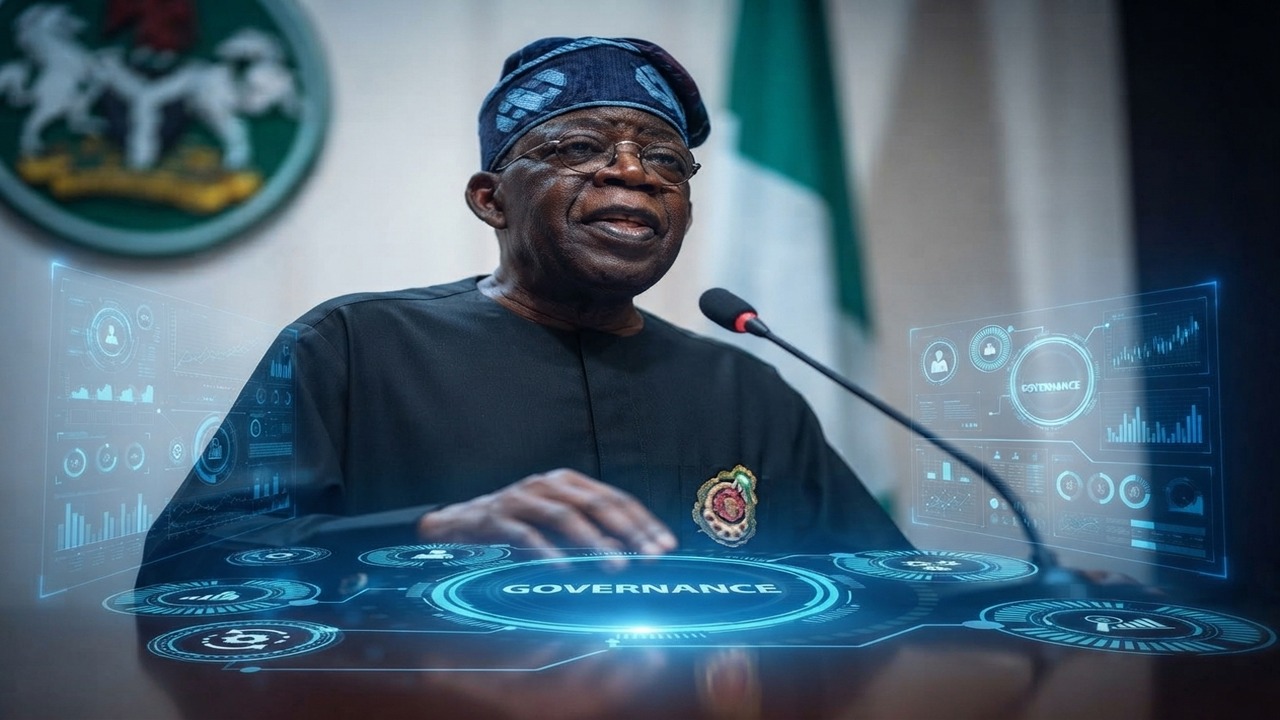
On September 18, 2026, President Bola Tinubu directed the Presidential Steering Committee on Digital Free Zones to produce a 180-day roadmap for the full launch of the initiative.
The government says it wants Nigerian technology, finance and service companies to raise capital internationally, serve global markets and keep their businesses and intellectual property in Nigeria.
The idea isn't entirely theoretical as Itana, which the government describes as Nigeria's first Digital Free Zone, is already operating in Lagos under a NEPZA licence.
So, beyond the name, what actually changes for a company inside one?
The rules and incentives
Nigeria's existing free-zone system gives qualifying businesses a different set of conditions from companies operating in the regular customs territory.
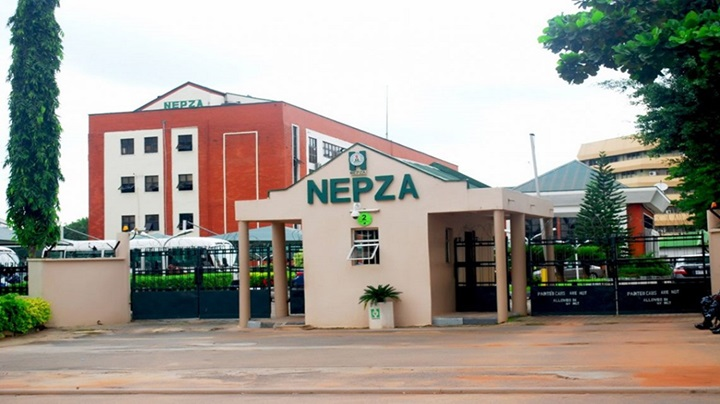
NEPZA lists full repatriation of capital, profits and dividends, tax exemptions, 100% foreign ownership, immigration waivers and one-stop approvals among its incentives. Its current investment information also provides for duty-free importation of qualifying materials and equipment under the relevant free-zone rules.
The proposed digital version is being built around taxation, banking, regulation, immigration, arbitration and government digitisation. The national framework is still being developed, so these areas will have to be defined for digital businesses under the final rules.
Itana shows what this can look like
Itana currently markets its Digital Free Zone to technology, financial-service and other service-based companies.Its website says qualifying activities can access 0% corporate income tax, no VAT on free-zone transactions and tax-free dividend repatriation. It also offers multi-currency banking, digital incorporation support and no expatriate-quota requirement.
Itana says more than 100 companies have been incorporated through the zone. That's the company's own figure, so it doesn't tell us how much economic activity those businesses have generated.
Latest Tech News
Decode Africa's Digital Transformation
From Startups to Fintech Hubs - We Cover It All.
Itana also lists 100% foreign ownership as a benefit. Foreign investors can already own companies outright in many sectors of the Nigerian economy, so that alone isn't a unique selling point.
Its own FAQ also notes that activities carried out outside the zone can attract the relevant tax and customs obligations.
Nigeria already has a Startup Act
Nigeria already has the Nigeria Startup Act, signed into law in 2022. A labelled startup can access tax and fiscal incentives, the Startup Investment Seed Fund, regulatory sandboxes and a government support structure for technology-enabled businesses.
The Act also provides for foreign investors to repatriate dividends and profits through authorised channels, subject to its conditions.
So a technology founder doesn't need a digital free zone simply to qualify for government support or tax incentives.

The difference is the operating environment. The Startup Act supports technology-enabled startups, while a free zone gives an eligible business a special legal and commercial setting covering issues such as taxation, repatriation, ownership, immigration and approvals.
That could matter to a company that has grown beyond the early startup stage, or to an international business looking for a Nigerian base from which to serve other markets. But the government still has to spell out how the national digital-free-zone regime will work alongside existing laws and incentives.
Beyond the free zone
A favourable tax arrangement won't fix a poor internet connection, and a simplified incorporation process won't build the fibre a digital company needs to operate.
Project BRIDGE is designed to deploy at least 90,000 kilometres of fibre optic infrastructureacross Nigeria as a national connectivity backbone. The Federal Ministry of Communications, Innovation and Digital Economy says the project is being developed through a public-private partnership.
Tinubu's 180-day deadline puts the government's roadmap around mid-March 2027. By then, the useful thing to look for won't simply be another announcement about digital free zones.
It will be the actual rules: who qualifies, which incentives apply, how the tax regime works under the new tax laws, how banking and repatriation will operate, and how easily a company can use the zone while serving customers outside it.
That will tell us what Nigeria's digital free zones actually change.