Nigeria Depends Heavily on Nurses but Still Creates the Exact Conditions That Push Them Out
Nurse help, nurse help… in many Nigerian communities, nurses are the first point of contact for urgent care, yet they continue to work under pressure, poor conditions, and growing shortages that push many out of the system.
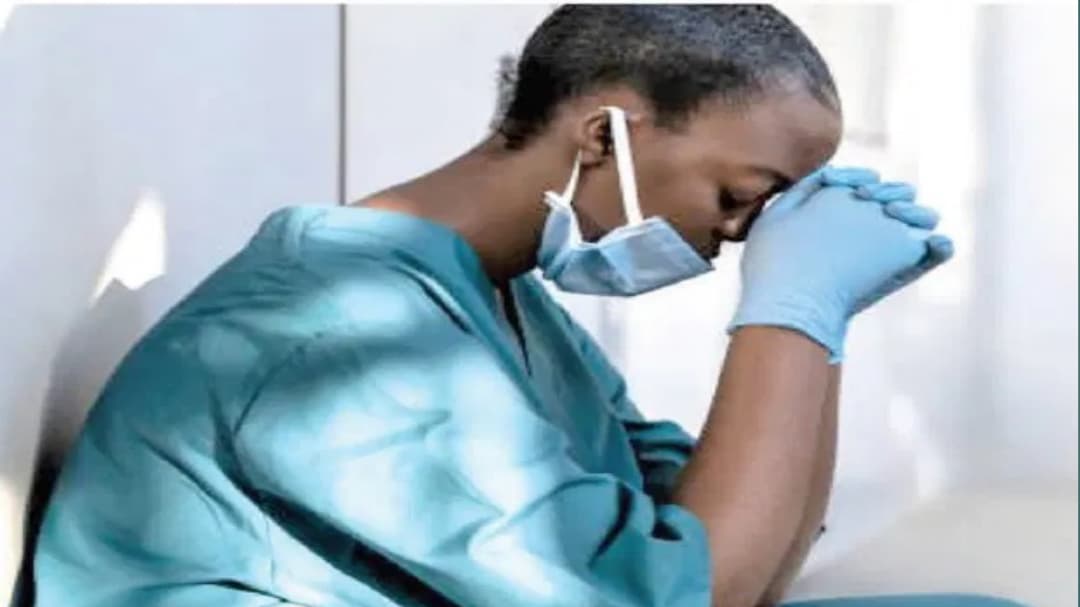
There is always that one trusted nurse. The person neighbours call when a child suddenly develops a fever at night. The one relatives phone before rushing to the hospital.
In many homes, the first medical advice people receive does not come from a doctor, it often comes from a nurse. Before a patient reaches a consulting room, a nurse may have already checked vital signs, identified warning signs, dressed a wound, monitored a pregnancy, or advised urgent care.
This everyday reality says a lot about how healthcare works in Nigeria. Nurses are not simply support staff in the background. In many clinics, maternity wards, emergency units, and primary healthcare centres, they are often the first and most consistent point of contact for patients.
For many patients, a doctor may be the final authority, but a nurse is often the first reassurance. Yet despite how central they are to the system, Nigeria continues to lose thousands of nurses to exhaustion, poor working conditions, and migration.
When the system leans too heavily on one profession

The problem is not simply that nurses do a lot. It is that the health system increasingly depends on them to absorb problems created elsewhere.
Nigeria continues to struggle with overcrowded wards, long waiting times, delayed care, and overstretched facilities. Families frequently rely on personal connections to nurses because formal healthcare pathways can feel slow, expensive, or inaccessible.
Nigeria's nurse and midwife density remains low at about 1.6 per 1,000 people, far below what is needed for a population of over 200 million. At the same time, global demand for nurses is rising.
According to theWHO's State of the World's Nursing 2025 report, while the global nursing workforce grew from 27.9 million in 2018 to 29.8 million in 2023, there is still a shortage of millions worldwide. This international demand has turned Nigerian nurses into highly sought-after workers.
That should be an advantage but instead, it has become a warning sign.
Migration is a symptom, not the problem
It is easy to reduce nurse migration to a simple "brain drain" conversation, but migration is not the real issue, it is the result of deeper failures. Nurses are leaving because many feel overworked, underpaid, and unsupported.
Long shifts, unsafe nurse-to-patient ratios, unpaid or poorly paid overtime, workplace stress, and limited career progression have become familiar complaints across the profession.
In 2025,nurses in Nigerian public hospitals launched a warning strike over pay, recruitment concerns, and working conditions. Around the same period, the Nursing and Midwifery Council of Nigeria reported thatover 42,000 Nigerian nurses had left for opportunities abroad within just a few years.
This should not be surprising, a worker repeatedly exposed to exhaustion without adequate reward will eventually look elsewhere. Migration is often framed as abandonment, but in reality, it is usually a decision made after years of professional strain.
Training more nurses is not enough
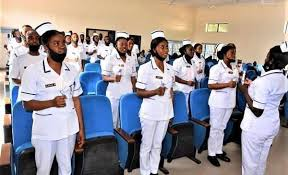

Government efforts to expand nursing education are often presented as proof of progress. Nursing and midwifery enrolment reportedly increased significantly between 2023 and 2025, while thousands of frontline workers were retrained and additional health workers recruited.
These steps matter, but they do not solve the larger problem.
Training more nurses without improving retention only strengthens the migration pipeline. A country can produce more nurses every year, but if working conditions remain poor, those newly trained professionals simply become part of the next wave preparing to leave.
Recruitment numbers mean little if hospitals remain understaffed, career growth remains uncertain, and burnout continues to define the profession.
Nigeria does not only need nursing schools, it needs a system that gives trained professionals a reason to build long-term careers at home.
Praise cannot replace reform
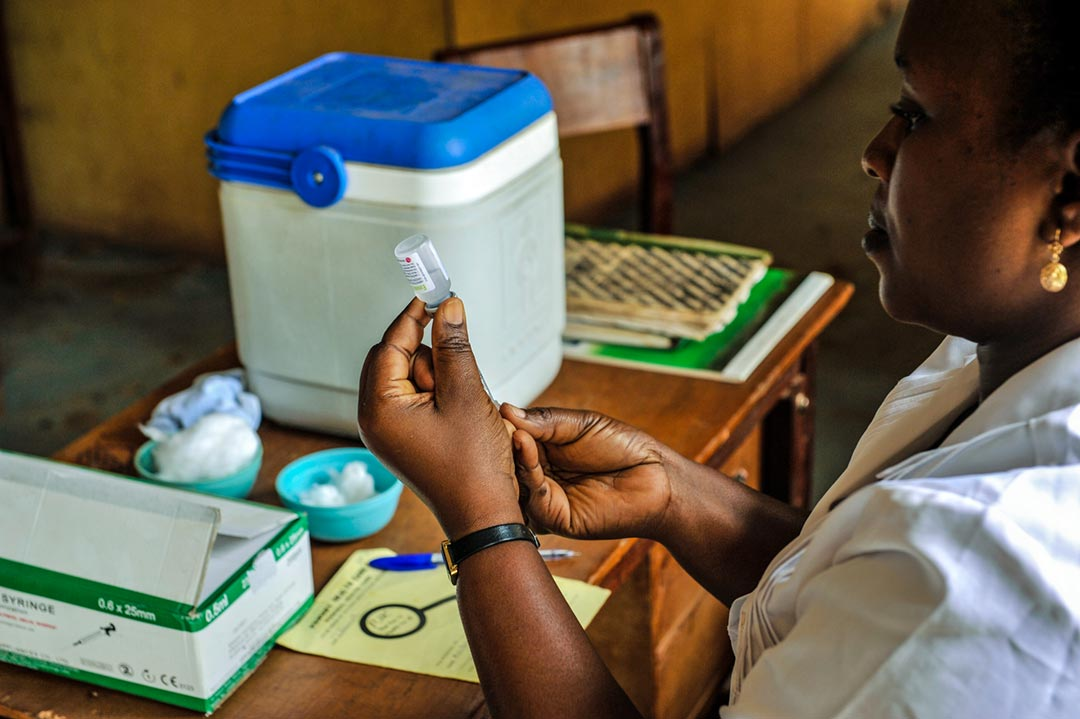
Every year, International Nurses Day arrives with tributes, thank-you messages, and public praise. Recognition matters, but it cannot replace reform. A healthcare system cannot keep depending on sacrifice as if it is an unlimited resource.
Praise does not reduce workload nor can hashtags solve staffing shortages. If Nigeria wants to retain more nurses, the conversation has to move beyond celebration into policy.
That means better pay, safer staffing ratios, stronger mental health support, improved equipment, clearer career progression, and more serious investment in primary healthcare and hospital staffing. Training more nurses is useful, but without retention plans, it only widens the pipeline for future migration.
A country that already knows their value
Nigeria does not need convincing that nurses matter.
Their importance is already visible in everyday life, in maternity wards, clinic waiting areas, emergency units, and the countless phone calls families make when something suddenly goes wrong.
The country already trusts nurses with some of its most urgent and vulnerable moments.
The real question is whether Nigeria is prepared to treat them as essential professionals, not emergency backups for a healthcare system constantly under pressure.