Netflix's Ed Gein Saga Sparks Debate and Chills Viewers with Hunnam's Creepy Portrayal
Netflix's 'Monster: The Ed Gein Story' faces significant criticism for its controversial portrayal of the notorious serial killer, blending fact with fiction and attempting to humanize him. The series also draws scrutiny for its problematic depiction of women, though lead actor Charlie Hunnam's dedication to accurately capturing Gein's distinct voice has been noted.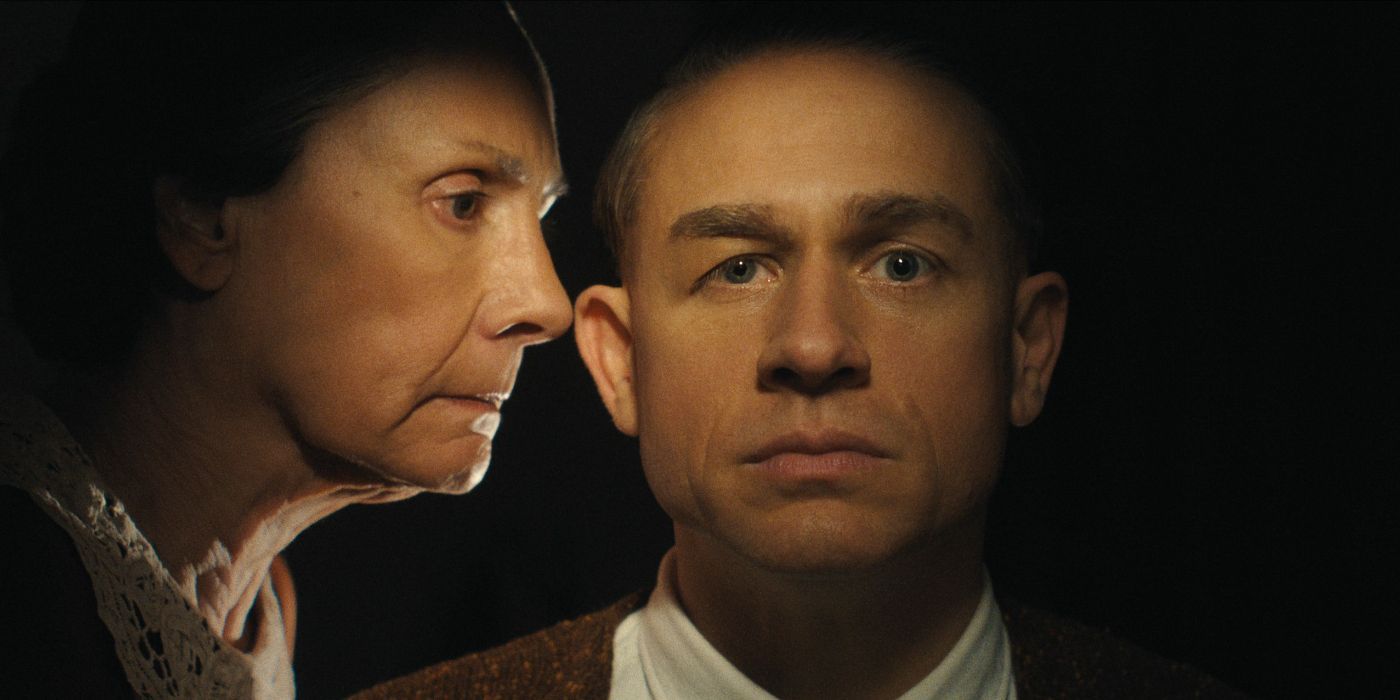
Netflix's 'Monster: The Ed Gein Story,' the third season in Ryan Murphy's 'Monster' anthology, has drawn significant criticism for its controversial and often factually inaccurate portrayal of the notorious serial killer, Ed Gein. While Gein's gruesome crimes inspired iconic horror films such as 'Psycho,' 'Texas Chainsaw Massacre,' and the character of Buffalo Bill in 'The Silence of the Lambs,' Murphy's series is accused of blending truth and fiction to an extent that glorifies the killer and misrepresents historical facts, much like previous installments in the 'Monster' series.
The show, starring Charlie Hunnam as Ed Gein, aims to humanize the killer, depicting him as a soft-spoken, repressed farm boy who is more a victim of his abusive, zealously religious mother, Augusta (Laurie Metcalf), and mental illness than a cold-blooded murderer. This sympathetic portrayal is achieved through narrative choices that consistently attempt to elicit viewer empathy, often featuring Gein's lamentations about feeling like a