Music Genres That Were Once Criminalized or Considered Dangerous
From jazz clubs raided in Harlem to Afrobeat concerts attacked by soldiers, music has always been criminalized when it moves people. Read about the genres that threatened authority, challenged power, and refused to be silenced.
Whenever music is accused of being dangerous, there is usually evidence somewhere in the background. Court records. Police memos. Government bans. Raided venues. Confiscated records. Arrested musicians.
The claim that music has been treated as a threat is not symbolic. It is historical fact.
Across different countries and political systems, authorities have responded to certain sounds the same way they respond to unrest. With surveillance. With censorship. With force.
The pattern is consistent. Music becomes threatening when it mobilizes people faster than institutions can control them.
Jazz and the American Moral Panic That Turned into Policy
In the early 1900s, jazz was officially treated as a social danger in several US cities.
In 1922, the city of New Orleans attempted to restrict jazz performances through licensing laws that targeted clubs known for playing the music.
Chicago and New York followed with zoning rules and police raids on jazz venues, particularly those owned or frequented by Black communities.
Religious leaders publicly described jazz as “the devil’s music.” Newspapers associated it with crime, sexual deviance, and racial mixing. The panic escalated enough that some schools and public halls banned jazz dancing outright.
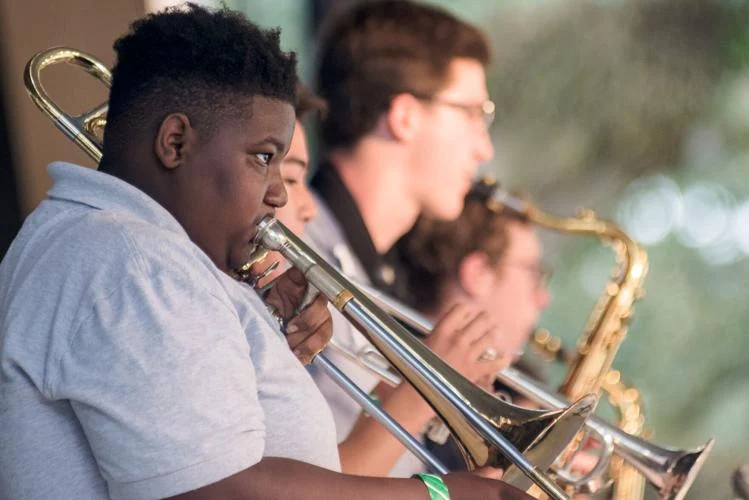
In 1926, the New York City Police Department regularly shut down Harlem jazz clubs under morality laws, despite no specific crimes being committed. The issue was not legality. It was visibility. Jazz created interracial social spaces at a time when segregation was still enforced.
The music itself was never illegal nationwide, but its performance was aggressively policed, especially when it disrupted racial and social boundaries.
Rock Music and State Censorship Across Continents
Rock music faced formal bans and legal restrictions in multiple countries.
In the Soviet Union, Western rock was classified as ideological sabotage. Bands were denied permits, concerts were shut down, and musicians were interrogated by state security.
Lyrics were censored for “anti-Soviet sentiment,” even when they were abstract or apolitical.
In East Germany, rock musicians were required to register with the state. Unapproved performances could lead to arrests or job loss. Records were confiscated at borders. Listening to certain bands was considered evidence of Western influence.
In the United States, rock faced moral regulation rather than direct bans. In the 1950s, Elvis Presley was restricted to waist-up television appearances because his dancing was deemed sexually dangerous. Several radio stations refused to play rock records under pressure from religious groups.
In South Africa under apartheid, rock music associated with anti-apartheid messaging was censored. Songs were banned from radio. Artists were monitored by the state broadcaster.
The consistent fear was not volume. It was rebellion.
Hip Hop, Policing, and the Courtroom
Hip hop is one of the few music genres whose lyrics have been repeatedly used as legal evidence.
In the United States, prosecutors have cited rap lyrics in criminal trials for decades. According to a 2019 report by the American Civil Liberties Union, rap lyrics were disproportionately used against Black defendants, often stripped of context and treated as confessions.

In New York City during the 1990s, police departments kept files on hip hop artists. Concerts were labeled “high risk.”
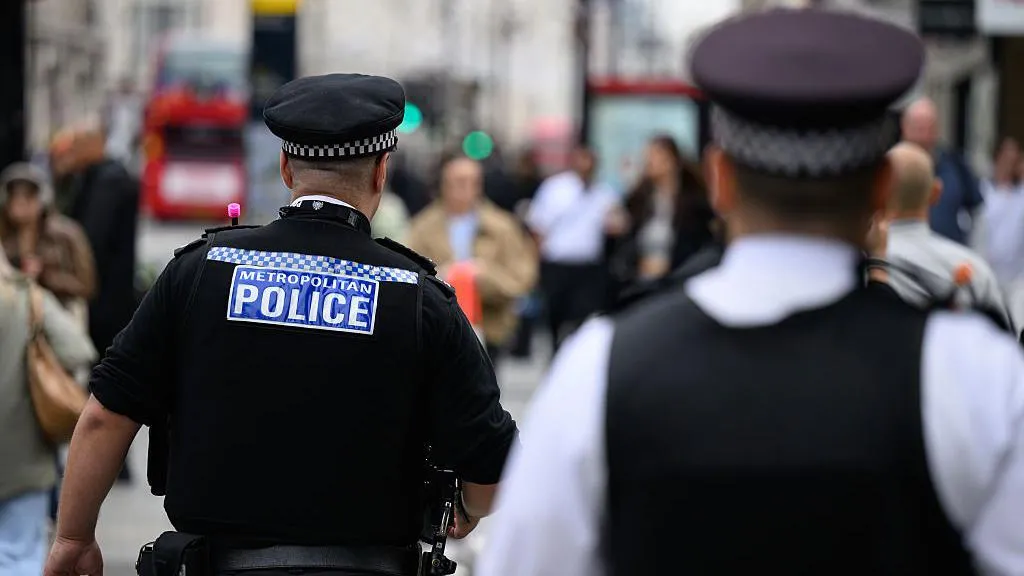
Promoters were required to pay for extra police presence or face cancellation. Some venues stopped hosting rap shows entirely due to pressure from law enforcement.
In the UK, drill music faced formal restrictions. London’s Metropolitan Police issued Criminal Behaviour Orders banning specific artists from performing certain songs or even mentioning certain words. Videos were removed from YouTube at police request.
These actions were not applied to other violent or explicit music genres at the same scale.
Hip hop was criminalized because it documented lived realities the state was uncomfortable acknowledging.
Afrobeat and Direct Confrontation with Military Power
Afrobeat’s criminalization was explicit and violent.
In Nigeria during the 1970s, Afrobeat musician Fela Anikulapo Kuti was repeatedly arrested, beaten, and imprisoned. He was named the most persecuted muscian in history as he was said to have been arrested more than 200 times.
His music openly criticized military rulers, corruption, police brutality, and foreign exploitation.
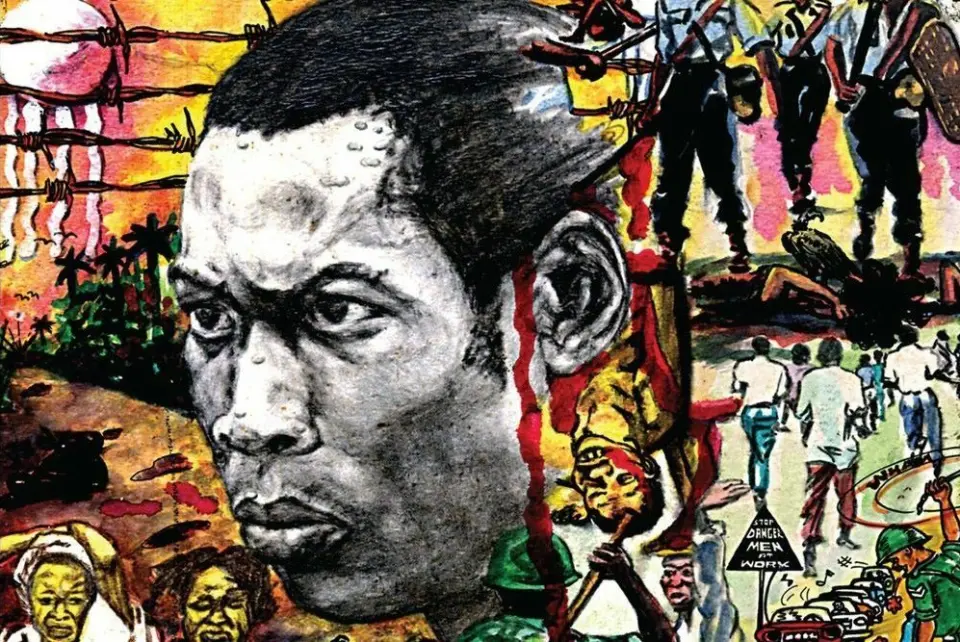
In 1977, Nigerian soldiers raided his compound, the Kalakuta Republic. It was burned to the ground. His mother was thrown from a second story window and later died from her injuries. The attack was widely understood as retaliation for his music and political influence.
In response to the 1977 attack, Fela carried his mother's coffin to the Dodan Barracks, the residence of then-Head of State Olusegun Obasanjo, and released the defiant albums Unknown Soldier and Coffin for Head of State.
His songs were banned from state radio. Performance venues were monitored. He was charged with crimes ranging from currency smuggling to public disorder, charges widely regarded as politically motivated.
Afrobeat was not subtly threatening. It was treated as an enemy of the state because it mobilized dissent openly.
What Else?
These are not stories about offended sensibilities. They are stories about power reacting to influence.
Jazz disrupted racial order, rock challenged obedience, hip hop on the other hand, exposed structural violence, while afrobeat named and confronted authority.
Each genre forced people to gather, listen, and recognize shared conditions. That recognition is what states fear most.
Music does not overthrow governments by itself. But it prepares people emotionally for change. It builds solidarity before organization. It gives language to frustration before action.
That is why authorities often respond early and aggressively.
Music becomes criminalized when it moves faster than control.
The Evidence Leaves a Clear Pattern
Across decades and borders, governments have tried the same solution. Silence the sound. Monitor the artists. Control the spaces. Criminalize the culture.
None of it worked.
Jazz is now institutionalized, rock is archived, hip hop dominates global charts, and afrobeat has crossed borders and generations.
The bans expired, while the regimes have changed but the music survived.
History shows that when power feels secure, music is allowed to exist. When power feels threatened, music becomes dangerous.
Not because it is loud.
But because people listen together.