MTN’s $6.2 Billion Deal In Buying IHS And The Africa’s Digital Infrastructure Game
MTN Group moves to acquire full ownership of IHS Towers in a $6.2 billion deal, reshaping Africa’s telecom infrastructure strategy and digital future.
For over a decade, Africa’s largest telecom operators have been following a familiar playbook and that is selling towers, freeing up capital, reducing balance sheet pressure, and focusing on customer growth.
Infrastructure is usually separated from service delivery, assets are normally monetised. And leasebacks are more or less a standard.
Now, all of this modus operandi for telecom operators is being rewritten by a strategic move by MTN Group.
MTN Group is moving to take full ownership of IHS Towers in a deal that values the tower operator at approximately $6.2 billion.
The transaction, structured as a cash merger at $8.50 per share, would increase MTN’s stake from about 24.7% to 100% and take IHS private, pending shareholder and regulatory approvals, including delisting from the New York Stock Exchange.
At first glance, it looks like a standard acquisition but in reality, it signals something bigger: a recalibration of how telecom operators in emerging markets think about control, capital efficiency, and digital sovereignty.
In a continent where connectivity is infrastructure, and infrastructure is power, owning the towers is no longer just an operational detail, it is strategic leverage.
Reversing the Tower-Offload Era: Why MTN Is Buying Back What It Sold
To understand the magnitude of this move, context matters and it's important to break it down.
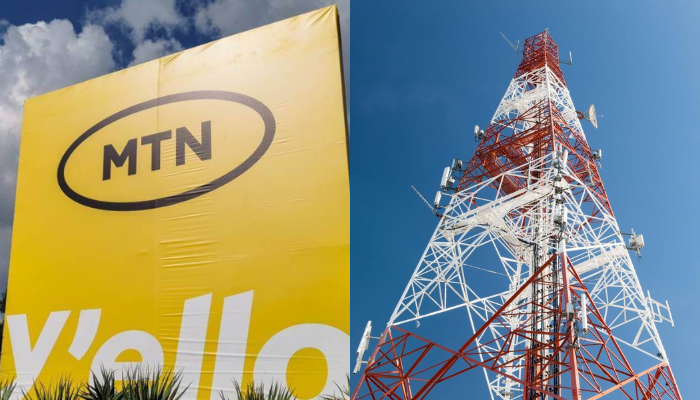
In 2014, MTN sold most of its tower assets across several African markets to IHS in what was considered a landmark infrastructure transaction. The logic was clear back then: tower companies specialise in infrastructure, telecom operators focus on customers and asset-light models were in vogue globally.
Over the past years IHS grew into one of the world’s largest independent tower companies, operating nearly 29,000 high-quality towers across Africa, serving multiple mobile network operators in key MTN markets. The model worked — for a time.
But the economics of infrastructure have shifted over time and different strategies are sprang up over time.
Higher global interest rates, currency volatility in emerging markets, and pressure on telecom margins have forced operators to rethink long-term cost structures. Lease payments to tower companies, once viewed as manageable operating expenses, now represent recurring outflows that compound over time.
Latest Tech News
Decode Africa's Digital Transformation
From Startups to Fintech Hubs - We Cover It All.
By reintegrating IHS, MTN would internalise tower lease margins it currently pays, gain direct control over third-party revenues from other operators using those towers, and improve cost predictability.
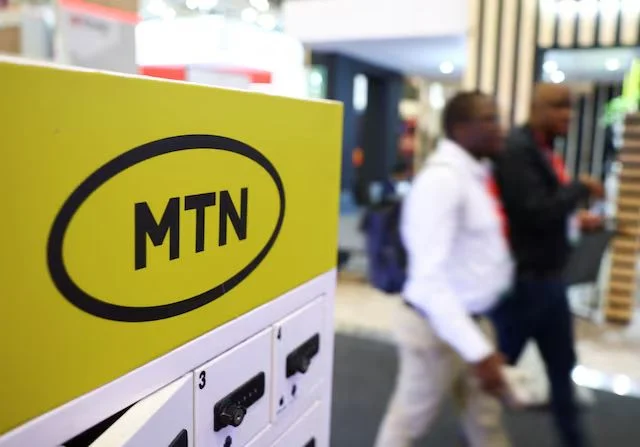
MTN Group President and CEO Ralph Mupita described the deal as a “pivotal step” to strengthen the company’s financial and strategic position in a future where digital infrastructure becomes even more central to Africa’s growth.
Financially, the structure is calculated:
Total valuation: ~$6.2 billion
Cash consideration: ~$2.2 billion for the remaining stake
Funding: ~$1.1 billion from IHS’s own balance sheet plus MTN liquidity and debt
No new equity issuance required
Expected to be accretive to net income and cash flow
For IHS shareholders, the $8.50 per share offer represents a 9.7% premium to the 30-day volume-weighted average price before MTN’s cautionary announcement.
Long-term shareholder Wendel has already pledged support, effectively securing about 40% of the required two-thirds shareholder approval threshold.
Strategically, the move follows IHS’s disposal of its Latin American assets, narrowing its focus primarily to Africa, aligning neatly with MTN’s geographic footprint.
This is not simply consolidation. It is infrastructure reclamation and regaining control of the market in total.
Imagine this scenario, MTN being a restaurant, but the kitchen is being owned by someone else, in the case IHS Towers and MTN wants to buy the kitchen and gain control of the full operation of the whole restaurant.
The Bigger Picture: Africa’s Digital Future and Control of Critical Assets
Latest Tech News
Decode Africa's Digital Transformation
From Startups to Fintech Hubs - We Cover It All.
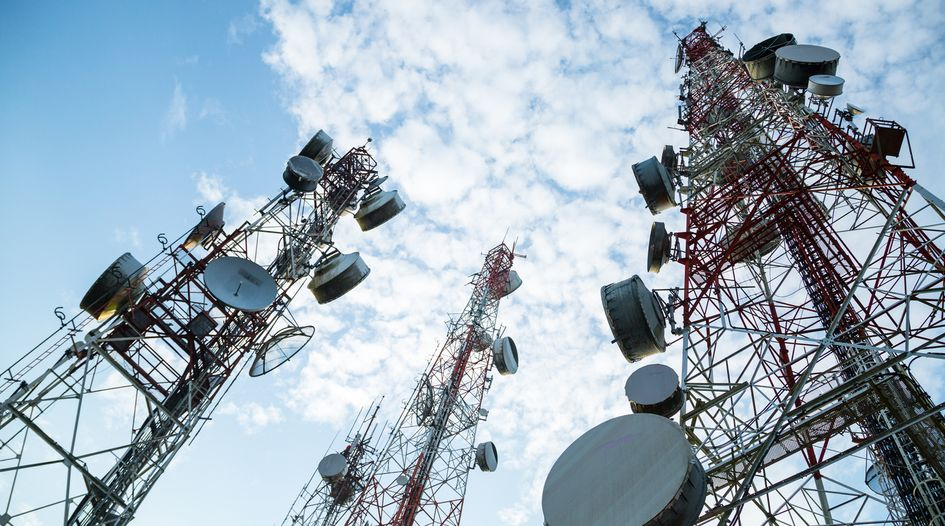
Telecom towers may appear mundane, steel structures holding antennas, but they are foundational to 4G expansion, 5G rollout, fintech growth, streaming adoption, cloud penetration, and AI-driven services.
Owning towers means controlling deployment speed, pricing flexibility, and partnership leverage.
Across Africa, mobile connectivity remains the backbone of digital inclusion, with fixed broadband penetration still relatively low in many markets, mobile networks carry disproportionate responsibility for economic participation: mobile money, e-commerce, e-health, digital governance.
In this environment, infrastructure ownership becomes more than accounting, it actually becomes policy alignment.
MTN’s reintegration strategy positions it as both service provider and infrastructure gatekeeper across key markets. That dual role strengthens its ability to partner with governments on national broadband plans and digital transformation initiatives.
It also creates Africa’s largest integrated tower platform under a single telecom operator’s control.
Globally, infrastructure cycles tend to move in waves. The first wave was monetisation, the next wave would definitely be strategic consolidation, particularly in markets where long-term growth outweighs short-term capital relief.
The deal also signals renewed investor interest in telecom infrastructure after months of valuation pressure. IHS shares dropped slightly following the announcement, but the premium offer gives investors immediate liquidity in a volatile macro environment.
For MTN, the risk lies in short-term leverage increase. But the long-term thesis is clear: infrastructure margins retained internally can outweigh financing costs over time.

The broader implication? African telecom giants are beginning to behave less like asset sellers and more like infrastructure architects.
Conclusion: A Tower Is Never Just a Tower
This transaction marks a quiet but significant turning point in Africa’s telecom evolution.
A decade ago, selling towers symbolised financial discipline and global integration. Today, buying them back represents strategic confidence and long-term positioning.
When fully approved, MTN will control nearly 29,000 towers across its core markets, not through lease agreements, but through ownership.
Latest Tech News
Decode Africa's Digital Transformation
From Startups to Fintech Hubs - We Cover It All.
That shift changes the economics of network expansion, the negotiation dynamics with competitors, and the company’s influence in digital infrastructure planning.
As data consumption rises, fintech ecosystems expand, and AI-driven services demand denser networks, control over physical infrastructure becomes increasingly decisive.
In the language of telecom finance, this is a $6.2 billion acquisition., in the language of continental development, it is a bet on infrastructure as sovereignty.
And in Africa’s next phase of digital growth, the companies that own the steel may ultimately shape the signal and provide the terms and conditions in its usage.