More Deals, No Money? Why Africa’s Startup “Exits” Are Not Paying Off
Africa’s startup ecosystem is seeing more exits than ever, but many investors aren’t getting real returns. This is why that could slow future growth.
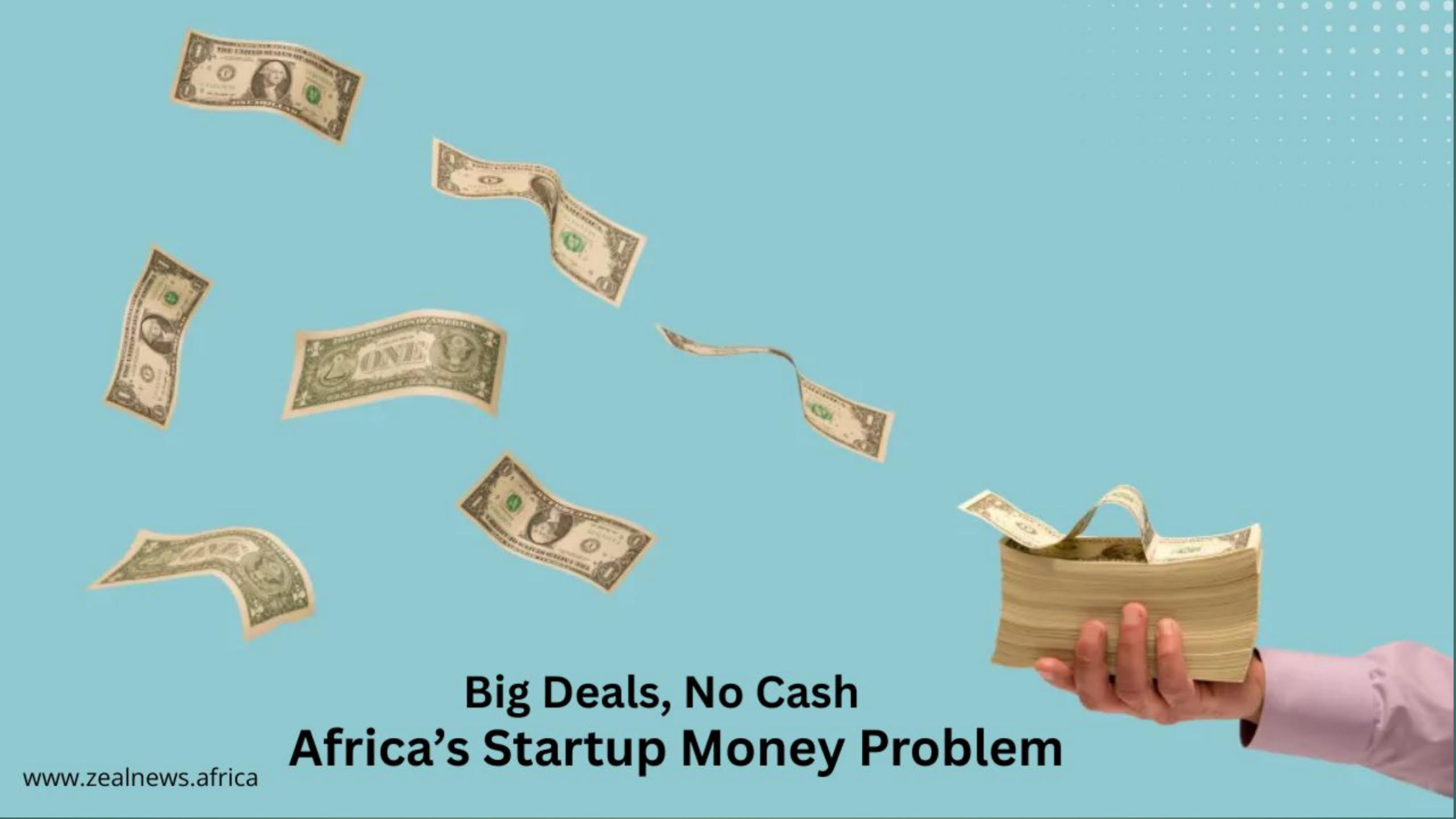
Everyone’s celebrating the rise in startup deals across Africa.
New acquisitions, fresh announcements, more “exits” than ever before and it all sounds like progress.
But the question nobody is really asking: if all these deals are happening, why aren’t investors actually getting paid?
Because that’s what an exit is supposed to do. It’s when investors finally get their money back (and ideally, make a profit). That return is what fuels the next wave of startups and it’s how the ecosystem sustains itself.
Right now, that cycle is starting to look shaky.
Africa’s tech space isn’t short on activity. In fact, the number ofmergers and acquisitions has grown significantly in recent years.
To understand what’s missing, think back to 2020, when Stripe acquired Paystack for over $200 million.
That deal wasn’t just big, it paid out. Investors got a mix of cash and stock, meaning they could actually take money off the table. Early backers didn’t just celebrate; they reinvested.
That single moment boosted confidence in African startups and opened the door for more funding across the continent.
Fast forward to now, and the story has changed.
In 2025 alone, Africa recorded 67 mergers and acquisitions—a 72% jump from the previous year. On paper, that sounds like progress, but most of these deals are structured differently.
Instead of cash, they’re “all-stock.” That means investors are paid in shares of the acquiring company, not money they can actually use.
At first glance, it still looks like a win. But when you dig deeper, it’s not that simple.
The Illusion of “Big Wins”

Take Flutterwave’s acquisition of Mono in early 2026.
The deal was reportedly worth between $25 million and $40 million. Mono had raised about $17.5 million, so headlines suggested investors made up to 20x returns.
Sounds impressive, right?
But those returns exist mostly on paper.

Investors were paid in Flutterwave shares, not cash.
And Flutterwave itself hasn’t had a clear liquidity event. Its valuation dropped from about $3 billion in 2022 to roughly half that in secondary markets.
So the actual value of those shares? Uncertain.
In simple terms, investors didn’t really “exit.” They just moved their money from one locked box to another.
The same pattern shows up in Moniepoint’s acquisition of Orda’s Nigerian operations.
Orda had raised $4.5 million, but the deal terms weren’t disclosed which often signals that returns were modest at best.
For some investors, this could mean getting back what they put in… or even less, once you factor in time.
And that’s a big deal. Venture capital isn’t just about getting your money back, it’s about making enough profit to justify the risk. If that’s not happening, investors start asking hard questions.
Why This Could Slow Everything Down
The real issue is that these kinds of exits don’t recycle capital.
When investors get paid in cash, they can immediately fund new startups.
That’s how ecosystems grow.
But when they’re holding shares in private companies with no clear way to sell, that money is basically stuck.
Now zoom out.
About 80% of venture capital in Africa comes from foreign investors.
These investors answer to big institutions—pension funds, endowments, and others who care about one thing: real returns.
So if exits keep happening without real payouts, confidence starts to drop. And when confidence drops, funding slows. It’s that simple.
Even industry insiders are already adjusting expectations.
Instead of billion-dollar IPOs, the next decade will likely see more modest acquisitions, maybe $50 million to $250 million, which is fine.
But the structure of those deals matters more than the size.
A $100 million cash deal is far more useful than a $300 million all-stock deal that nobody can cash out. This doesn’t mean all-stock deals are bad. In many cases, they’re the only option, especially since most startups don’t have huge cash reserves.
And yes, acquisitions like Flutterwave-Mono or Moniepoint-Orda can make strategic sense for the companies involved.
But strategy for companies doesn’t equal returns for investors.
And that’s the disconnect.
If Africa’s tech ecosystem keeps celebrating deal volume without focusing on actual value, it risks building hype without sustainability.
Because at the end of the day, startups don’t just need exits, they need exits that pay.
Until that changes, the ecosystem may look active on the surface, but underneath, the engine that drives real growth, reinvested capital could start to slow down.