Mental Health in African Homes: Breaking the Silence
In many African homes, emotional pain hides behind chores and silence. This powerful piece unpacks the cultural, religious, and generational roots of emotional repression—and how young Africans are breaking the silence around mental health, one conversation at a time.
Written By: Eric Namso
In many African households, emotional battles are fought quietly—masked by laughter, masked by chores, masked by silence. The typical African home is often rich in culture but poor in the vocabulary of vulnerability.
Emotions are rarely discussed, and mental health is still misunderstood as either a Western-made illness or spiritual affliction.
In a recent Substack article, the author paints a vivid picture of how “discipline,” “hard love,” and unspoken rules shape a generation’s emotional development.
The African home, while nurturing in certain aspects, is often steeped in silence around emotional distress. Crying is weakness, depression is laziness, and therapy is taboo. But this silence is costing us—our youth, our families, our futures.
A Cultural Wall of Silence

Source: pinterest
Traditionally, African societies place high value on resilience, strength, and perseverance. These virtues are taught early—boys are told to “man up,” girls to “endure.”
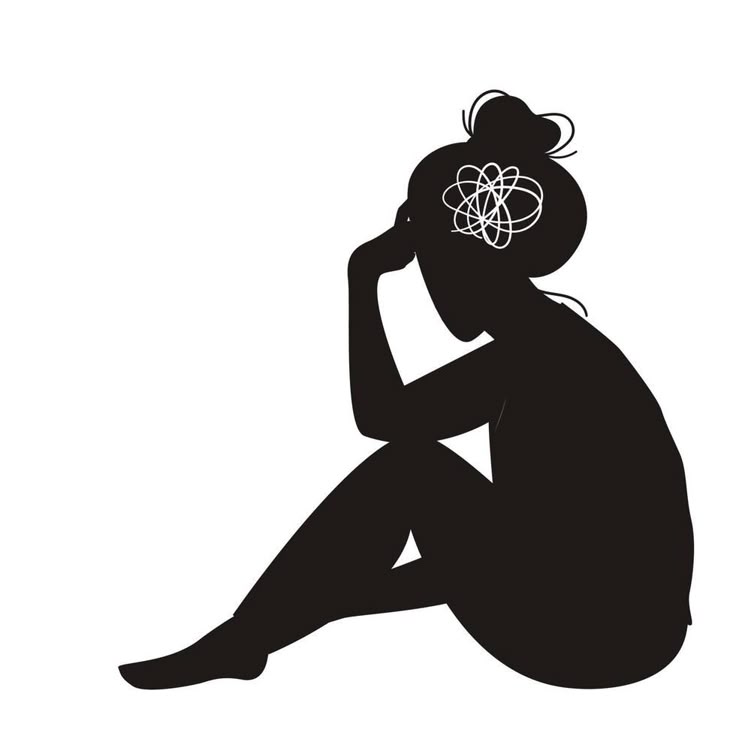
Emotional expression is rarely encouraged. While resilience is important, emotional repression isn't strength—it’s survival in silence.
READ ALSO:Beyond Pills and Prescriptions: Africa’s Quiet Revolution in Mental Wellness
Mental health challenges like anxiety, depression, and trauma manifest in behavioural patterns—unexplained anger, isolation, sudden withdrawal. Yet these signs are dismissed or misinterpreted.
A child skipping meals might be seen as stubborn. A woman avoiding conversation may be labelled disrespectful. Rarely do we pause to ask: what’s really going on?
Generational Trauma, Passed Down Quietly

Source: Pinterest.
The emotional repression in many homes is not accidental. It’s inherited—built on histories of colonisation, war, poverty, and broken dreams.
Our parents, raised in hardship, passed on the only model of survival they knew: toughness. Love was shown through food on the table, not hugs. Conversations were functional, not emotional. And therapy? Unheard of.
This generational trauma has created what psychologists call a "culture of silence"—where hurt is swallowed, not spoken. But silence is not healing; it is compounding.
And the cost shows up in dysfunctional relationships, poor conflict resolution, and undiagnosed psychological issues.

Changing Perceptions Among African Youth

Source: Pinterest
Thankfully, a cultural shift is beginning. Many African youth are unlearning this inherited silence. Conversations on mental health are emerging online—from TikTok reels to X threads.
Influencers are opening up about anxiety, burnout, and therapy. Young Africans are naming what their parents didn’t have words for.
Across Nigeria, Ghana, Kenya, and South Africa, we’re seeing grassroots movements and wellness communities rise.
Platforms like Mentally Aware Nigeria Initiative(MANI) and She Writes Women provide mental health advocacy and counselling support for those who cannot afford traditional therapy.
The Role of Religion and Misinformation
Another silent barrier to mental health is how religious beliefs are sometimes used to dismiss psychological distress. Depression is seen as a lack of faith. Suicidal thoughts? A demonic attack.
While spirituality plays a powerful role in healing, we must draw a line between spiritual care and medical neglect.
There’s room for both God and a therapist. Both prayer and medication. Healing is layered—and our people deserve access to every tool available.
Where Faith Can Help: Bridging Belief and Mental Health
In Nigeria, where over 90% of the population identifies with a religion, faith is deeply embedded in how people understand suffering, healing, and illness.
Unfortunately, this influence is often double-edged. In many churches and mosques, mental health struggles are either dismissed as a spiritual weakness or outright blamed on demonic forces.
But this narrative is slowly evolving.
According to the Christian Mental Health Initiative, more pastors and religious leaders are beginning to embrace the importance of mental health awareness and psychological care.
The initiative provides training for clergy and church workers to recognise signs of emotional distress and refer affected individuals to professional help, rather than defaulting to prayer alone.
This shift is crucial, as many Nigerians are more likely to turn to their spiritual leaders than to psychologists. When faith institutions open their doors to mental health conversations, stigma begins to break.
When sermons include messages about depression, therapy, and support, believers begin to see that emotional pain is not a sin or curse, but a valid human experience.
Healing can—and should—include both prayer and professional care.
Family: The First Point of Change
In many African homes, family is often positioned as the ultimate support system. But when it comes to mental health, that same family structure can either nurture recovery—or unknowingly deepen the wound.
The Serene Haven Mental Health Centre emphasises that emotional recovery is not just about professional therapy or medication: it’s also about the everyday environment in which a person lives. The tone of conversations, the amount of patience shown, and the willingness of relatives to listen without judgement all shape a person’s healing journey.
Sadly, in African homes where mental illness is still misunderstood, families often push silence over support. A child showing symptoms of anxiety may be told to “stop being dramatic.” A depressed sibling may be scolded for laziness. In worst cases, individuals are isolated, mocked, or forced to hide their struggles out of shame.
But recovery thrives in safe spaces. Families who take the time to learn, unlearn, and show up—consistently and compassionately—can significantly improve the mental health outcomes of their loved ones.
It starts with small shifts: not dismissing unusual behaviour, not using spiritual guilt as a weapon, and not making fun of someone for “acting different.”
In a continent where formal mental health support is still scarce, the family may just be the most important clinic we have.
READ ALSO: The Therapy Stigma: Why Many Africans Still Don’t Trust Mental Health Services
To truly break the silence, we must start with the family. Parents and guardians must learn to listen—to truly listen. Instead of saying, “What do you know about depression?” ask, “How can I help you feel better?” Emotional intelligence must be taught in the home, not just at school.
Even basic changes can help: asking children how their day went, acknowledging their feelings, validating their struggles. These small gestures build emotional safety—a key foundation for mental wellness.
Education, Access, and Professional Support
Another critical solution is awareness and access. We must decentralise mental healthcare from elite cities and hospitals. Communities should have local counsellors. Schools should teach emotional resilience. Churches and mosques should create space for therapy, not just deliverance.
It’s also time for governments to invest in mental health infrastructure. As it stands, most African countries allocate less than 1% of their health budgets to mental health. That has to change.
More hospitals need psychiatric units. More universities need trained psychologists. And more awareness campaigns need to reach rural areas.
Breaking the Cycle: The Way Forward

Source: Pinterest
Mental health isn’t a Western concept—it’s a human one. African children are struggling with depression. African men are dealing with anxiety. African women are overwhelmed by emotional burdens they’re taught to carry silently. It’s time to break the chain.
Young people must continue to speak. Parents must begin to listen. Schools must include mental health education. Workplaces must support employee wellbeing. Communities must drop the shame.
Conclusion
In the end, breaking the silence is not just about speaking—it’s about being heard. And healing begins when the African home becomes not just a place of strength, but also of softness.