Interning At Apple Was the Easy Part. Here's What 16-Year-Old Belusochim Ugochukwu Wants To Do Next
16-year-old Nigerian robotics prodigy Belusochim Ugochukwu tells ZealNews Africa what really happened behind his Apple internship, from childhood failures to what he intends to do next.

Eleanor Roosevelt once said that the future belongs to those who believe in the beauty of their dreams, and watching how Belusochim Ugochukwu landed at Apple, it is clear he believed in his dreams, and so did everyone standing quietly behind him.
At sixteen,Belusochim Ugochukwu walked into Apple’s offices, surrounded by engineers twice and even thrice his age, and thought, “Damn, I made it this far. I’m actually here.” It sounds like the kind of line that closes a story. For him, it was barely the middle of one.
Say the words “16-year-old Nigerian who interned at Apple” enough times and the headline starts doing all the talking.
Sixteen, Nigerian, Robotics, and Artificial Intelligence. Apple.
Four words. One company. Behind those words is a teenager who loves nature, plays music, hangs out with his friends, and once learned a lesson in resourcefulness from something as unglamorous as an almost-empty bottle of liquid soap.
ZealNews Africa sat down with Belusochim to ask about the parts of his journey that rarely make it to the headline, and what came back was less about a company logo and more about a mindset that was already fully formed long before Apple ever called his name or onboarded him.
How awesome is it that Apple doesn’t take interns younger than 18 years old but accepted Belusochim Ugochukwu at SIXTEEN YEARS!!!
Long Before Apple, Nigeria Was Already Teaching Him How To Build
Belusochim's obsession with robotics did not start in a lab abroad. He said it started after a robotics competition in Ogun State, where his team built a robot designed to catch balls and pick up cylinders.
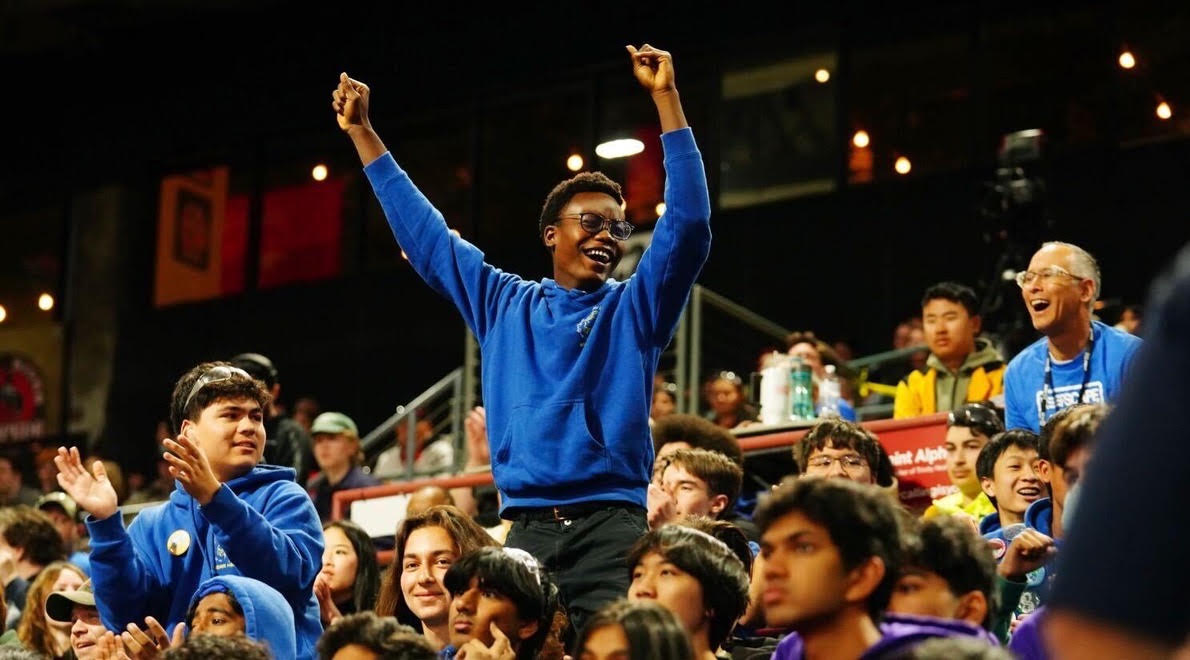
Something about watching an idea in his head turn into a machine that actually worked changed how he saw the whole field. He carried that instinct into a school project, helping build an e-learning platform that pulled digital textbooks into one accessible system.
His school liked it enough to adopt it, and today it runs across Deeper Life High School campuses in all 36 states in Nigeria.
But he was clear about what usually gets left out of his story. “What got him to where he is today was the persistence behind those projects,” he explained, describing competitions he lost, prototypes that refused to cooperate, and sleepless nights spent doubting whether any of it would work.
He said the failures matter just as much as the internship, because they were what actually built him.
That scarcity mindset traces back to something very Nigerian: watching his mother stretch an almost-finished bottle of liquid soap with a splash of water, insisting there was “still something inside.” His experience in boarding school also added discipline and patience.
Being the last child of Engr. Ugochukwu and Akudo Ogwumike from Ubommiri in Mbaitoli Local Government Area of Imo State might have been a whole different experience.
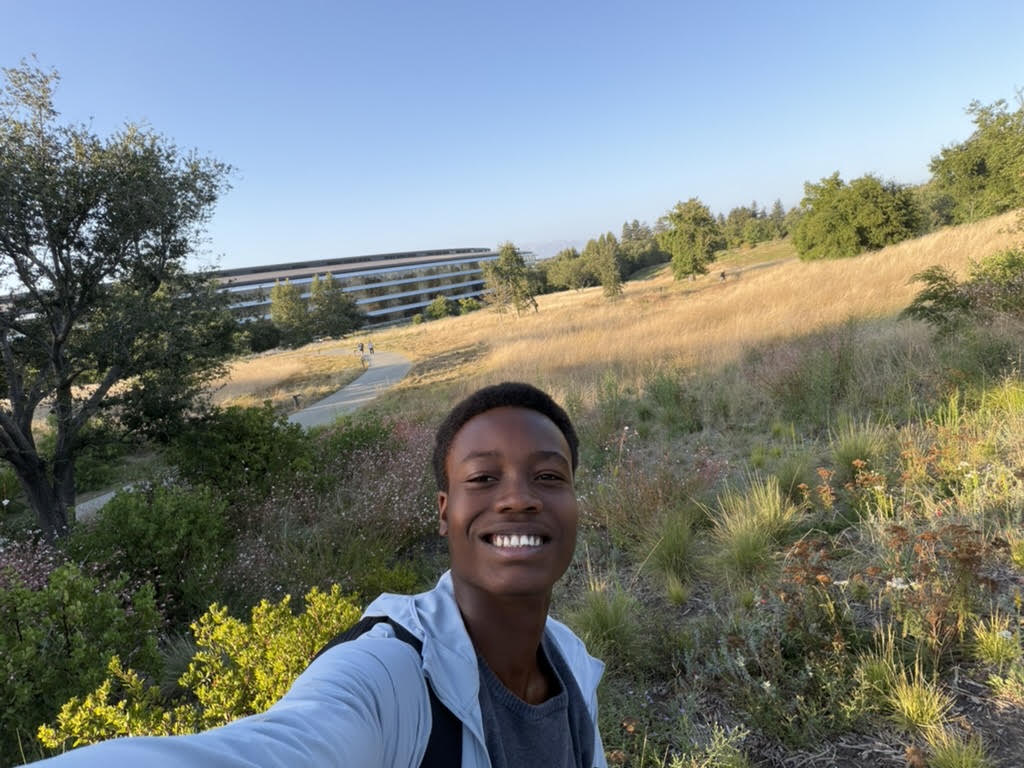
When asked what resource actually changed his life the most, he didn’t point to equipment or laboratories. He pointed to people, specifically the network he built through his church, which opened doors, events, and opportunities he could not have found on his own.
“Slope is better than intercept,” he told us, meaning where you start matters far less than the direction you keep moving in.
Inside Apple, His Age Opened Doors And Closed A Few Others
After his interview with Apple, Belusochim waited three weeks in silence before following up with the recruiter himself. When the acceptance email finally arrived, he saw it while walking to the dining area at his school. His mother heard first, then his brother, who had been a huge part of the journey getting him there.
What followed was the strange business of actually showing up: an intern barely out of his mid-teens, working alongside engineers old enough to be his professors, and being called a “prodigy” the moment his interviewer learned his age.
Being sixteen at Apple came with contradictions. During the interview, he said he wasn't invited to the after-work happy hours, the informal gatherings where colleagues unwound over food and drinks. But inside the actual work, he said nobody lowered the bar for him.
Apple, in his words, hires people it trusts to be intelligent, confident, and competent, and once he was in the building, that trust extended to him too; his age didn't reduce his responsibilities.

His project sat insideApple 2030, the company's plan to go fully carbon neutral, where he worked on the disassembly side: robots that could identify and sort recoverable materials from old iPhones headed for recycling.
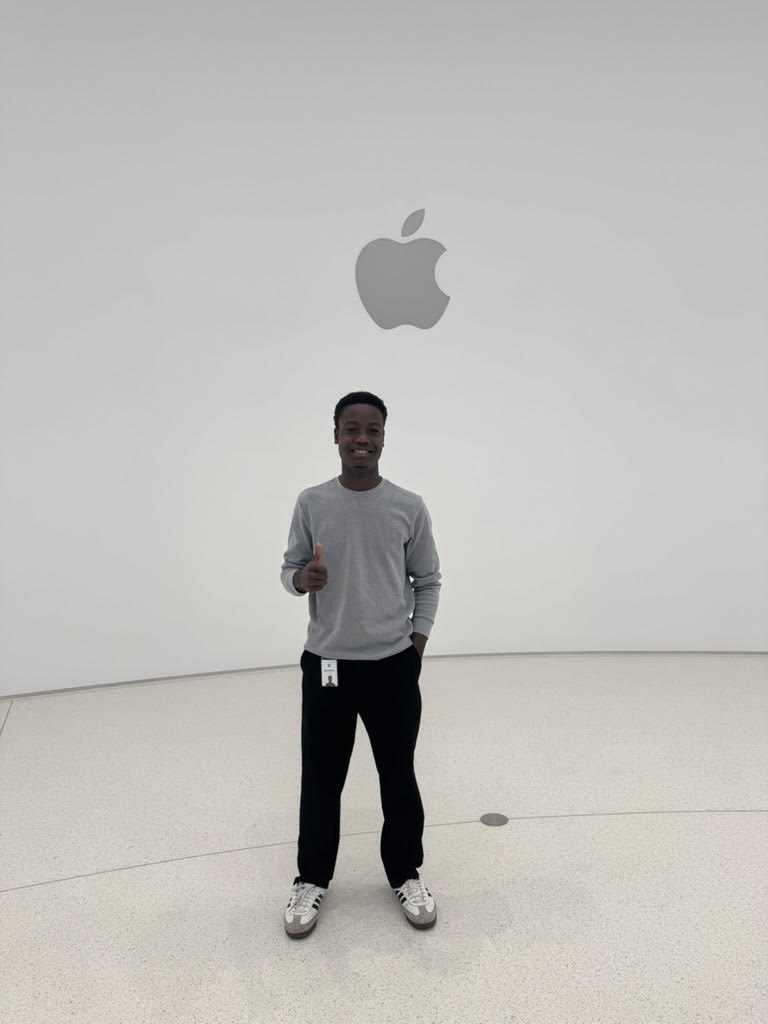
He put it simply: he was “teaching robots how to take apart old iPhones and find the useful materials inside them.”
Belusochim's work sits alongside Apple's own recycling robotics program. Apple's robot Daisy, based in Austin, Texas, can disassemble old iPhones into parts in seconds as part of the company's push toward its Apple 2030 goal of full carbon neutrality across its supply chain, reducing greenhouse gas emissions by 75% compared with 2015 before balancing the rest.
Apple's Advanced Recovery Centers now use projector-based AR video systems to guide technicians through disassembly in real time, the kind of systems the computer vision work Belusochim describes feeds into.
The lesson that stayed with him longest, though, had nothing to do with code. During a talk with interns, according to him, Tim Cook told the room that “one plus one is not equal to two,” and that the right team can multiply what any one person could do alone. Belusochim also walked away with a quieter rule for himself: don’t bend your principles just to fit somewhere impressive.
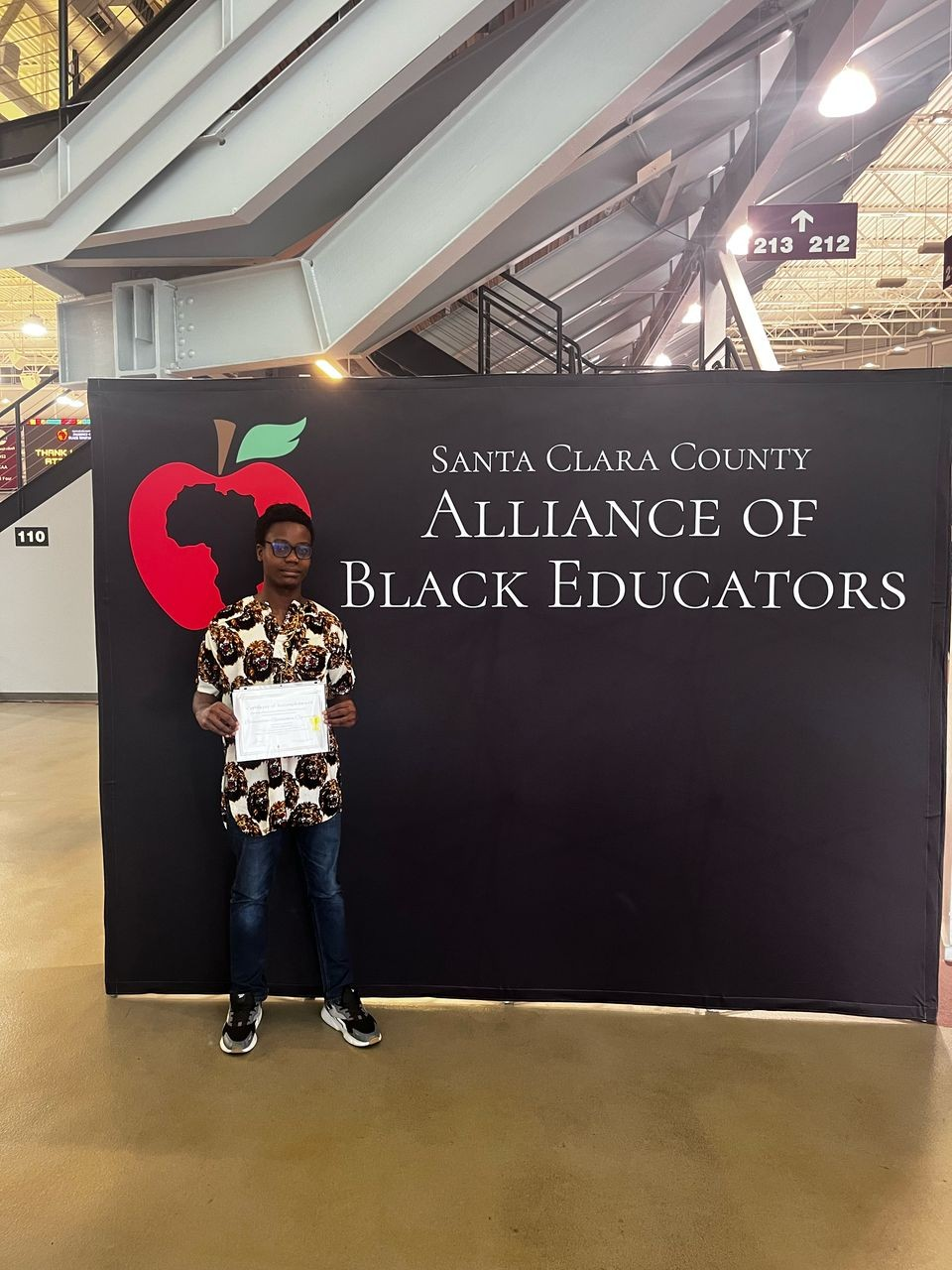
He also received an award for academic excellence from The ALLIANCE OF BLACK EDUCATORS in California.
The Chair, The Hackathon, And What Curiosity Looks Like Up Close
That comfort with being the youngest in the room was not entirely new to him. He said he had already taken classes alongside people in their twenties before the internship, so the age gap at Apple was not really unfamiliar, even if walking into the building made it feel more real than it ever had before.
That instinct to just start building shows up in his best-known side project, too. At an Embodied AI Hackathon, his team of four was handed a loose brief: build something very cool.
They had a chair that could roll and a set of leftover robotic arms lying around, so they strapped the arms to the chair and built a robotic wheelchair. He calls it a relatively minimal project, but it says something about how he works: hand him a problem, a few friends, and a weekend, and he will probably start building.
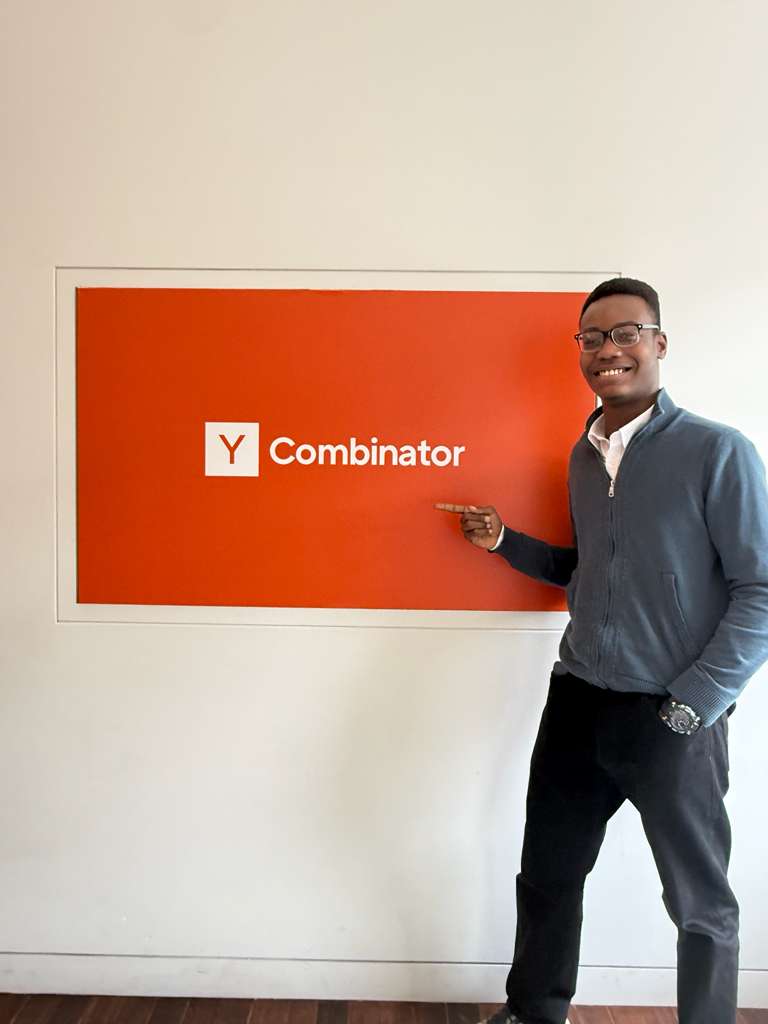
He also carries a clear sense of why the environmental side of his Apple work mattered to him personally. He said climate change is a real problem, and that companies producing technology also carry a responsibility to reduce the environmental impact of what they make, which is part of why recovering materials from old devices, rather than mining new ones, felt worth his time.
Ask him what he would be doing if robotics and AI were not the plan, and the answer is not a different career path. He said he would probably still be following his curiosity: attending hackathons, working on different projects with friends, experimenting with new ideas, and exploring whatever interested him at the time.
Whether it is robotics, AI, or something else entirely, the constant in his story has always been the same appetite to keep learning, building, and figuring things out for himself.
Apple Was Never Supposed To Be The Whole Story
Ask Belusochim if he feels pressure to top Apple, and he waves the question off almost immediately. Chasing something “bigger” than his last achievement, he says, is a good way to lose sight of what he actually cares about.
What he cares about now is memory: how robots might learn to hold on to what’s useful from experience and let go of what isn’t, the same way humans do. He wants that research to eventually help people with disabilities, freeing up time currently lost to household chores.
It’s also why a robotic wheelchair, cobbled together at a hackathon from a rolling chair and spare robotic arms, remains one of his favourite builds, alongside Pathwise AI, a class scheduling app he made for himself and his friends after moving to the US.
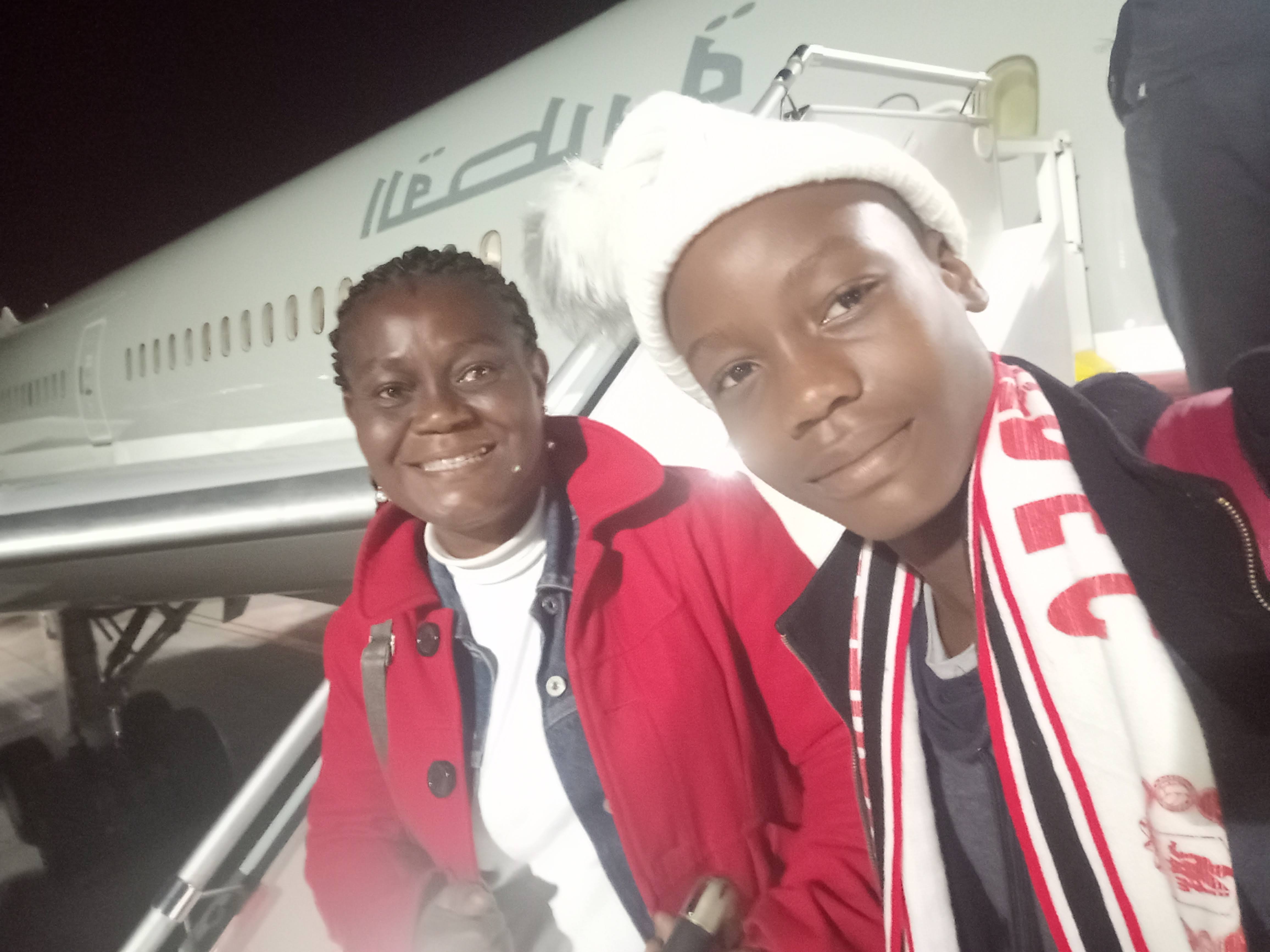
His advice to teenagers without labs or funding is almost stubbornly simple: find a real problem near you, build something for it, and put the work online rather than waiting for permission. And to the parents raising the next generation of builders, his message is just as direct: stop deciding a child’s future at a family meeting, and let curiosity lead instead.
By twenty-five, he doesn’t just want to have built impressive things. He wants to have helped build the kind of ecosystem that makes the next Belusochim possible, without needing an Apple internship to prove it.
Apple gave Belusochim Ugochukwu a headline. What he’s building next is a whole sentence Nigeria hasn’t finished writing yet.