Inherited Hustles: When Parents Project Their Unfulfilled Dreams on Children
Inherited hustles are shaping African youth. Read how parents pressure their children to pursue ‘prestige’ careers clashing with their dreams, the mental health cost, and how African youth are redefining success on their own terms.

Introduction
When Chuka was ten, his father placed a gleaming stethoscope in his hands and declared, “This is your destiny. You will be the doctor this family never had.” Chuka nodded, not because he wanted it, but because children in his Nigerian home knew that nodding was safer than questioning. Years later, while his heart beat in rhythm with the drums of music he secretly played in his room, he wore the white coat his father had dreamed of. Each applause he got from saving a life felt muted compared to the roar of the crowd he imagined whenever he strummed his guitar.
Chuka’s story although a fiction story isn’t just his, it is Africa’s story. Across the continent, countless children live out the unfinished dreams of their parents, caught in a silent tug-of-war between obedience and self-discovery. In the bustling streets of Lagos, Nairobi, or Accra, one story often repeats itself: a young African child with a burning dream, perhaps to play football, paint canvases, design software, or write songs, only to be told by their parents: “That’s not a real profession. You must become a doctor, lawyer, or engineer.”
This is not just parental advice. It is generational projection, parents mapping their unfulfilled ambitions onto their children, believing they are protecting them from poverty, hardship, or shame. But at what cost?
Across Africa, this inherited hustle has produced both stories of rebellion, youth who fought back to carve their own destinies, and stories of regret, youth who abandoned passions for parental approval, only to live with quiet dissatisfaction. In this tension lies a fundamental African question: is obedience a virtue, or a prison?
The Weight of Dreams Not Lived
Many African parents came of age in times of scarcity, political instability, or limited career options. For them, survival was tied to “noble professions” like medicine, law, or engineering, jobs that guaranteed financial security and social respect.
So, when a father insists his son study law, even if the boy dreams of music, it is often less about control and more about memory, of hunger, missed opportunities, or the humiliation of poverty.
But this protective instinct has unintended consequences. Children internalize their parents’ unfulfilled dreams, not their own desires. A girl who loves art may end up in a hospital ward; a boy who dreams of football may find himself in a courtroom, resentful and uninspired and here lies the contradiction: parents claim obedience is love, but sometimes obedience becomes erasure, the silencing of a child’s authentic self.
Protection, Love, or Control?
In African culture, parental authority carries near-sacred weight. The proverb says: “What an elder sees sitting down, a child cannot see standing up.” Parents use this wisdom to argue that their choices are rooted in foresight, not domination.

But there is a thin line between love and control.
Protection: Parents want to shield children from failure, poverty, or ridicule.
Love: They desire to see their children respected and financially secure.
Control: Yet, by dismissing alternative paths, like football, music, or tech, they limit children to choices that may not reflect modern realities.
Today, African economies are evolving. Tech founders, athletes, and artists are building empires that rival traditional professions. Yet many parents still measure success by a narrow metric of “prestige” careers, inadvertently stifling innovation and passion.

Stories of Obedience and Rebellion
Real lives illustrate this cultural struggle.
Obedience & Regret: Across the continent you would see stories of adults who had big dreams but were forced to be something else by their parents, with many often wishing they actually fought for their dream.”
Rebellion & Fulfillment: Contrast this with music stars like Burna Boy or Tiwa Savage, who pursued music despite parental resistance. Their eventual success not only validated their choices but softened parental opposition. Many “rebellious” African creatives, athletes, and entrepreneurs now use their platforms to thank their parents, ironically showing that love survived rebellion.
This duality shows the African dilemma: rebellion risks breaking family bonds, while obedience risks breaking the self.
The African Youth Reframe Success
Today’s generation is quietly rewriting the rules. Unlike their parents, who were defined by stability, youth are driven by impact, creativity, and autonomy. Social media has amplified this, young Africans can now monetize art, music, or even coding from their bedrooms.
But this doesn’t mean rejecting parental wisdom entirely. Instead, it calls for balance. Some youth adopt hybrid approaches, studying law while writing music, or pursuing medicine while running startups. This duality reflects an evolving African narrative: success doesn’t have to follow one rigid template.
What the Data and Psychology Say
Psychologists call it parental projection, when parents project their own lost opportunities and emotional pain onto children. Studies show this can lead to anxiety, low self-esteem, and identity crises.
A study found that children who pursued careers under parental pressure reported higher dissatisfaction and burnout rates than those who followed their passions.
In Africa, while data is sparse, anecdotal evidence and small-scale studies (such as the 2021 University of Lagos report on parental influence in career choice) confirm similar patterns: children pushed into “prestige” careers often struggle with motivation and later career shifts.
This confirms what many African youth already know intuitively: inherited hustles come at a mental health cost.
Lessons from Rebels Who Won
History is rich with Africans who defied parental expectations and redefined success.
Chimamanda Ngozi Adichie: Wanted to study medicine to please her parents but switched to writing. Today, she is one of the most influential African authors globally.
Jay-Jay Okocha: His parents worried about football as a “lowly” pursuit, but his decision to rebel brought him global fame and national pride.
These stories highlight a pattern: the stubborn few who rebel, risk failure, and persist often succeed—and even reconcile with their parents later. But not everyone has the courage or resources to rebel. For many, obedience remains the path of least resistance.
Rethinking Parenting in Africa
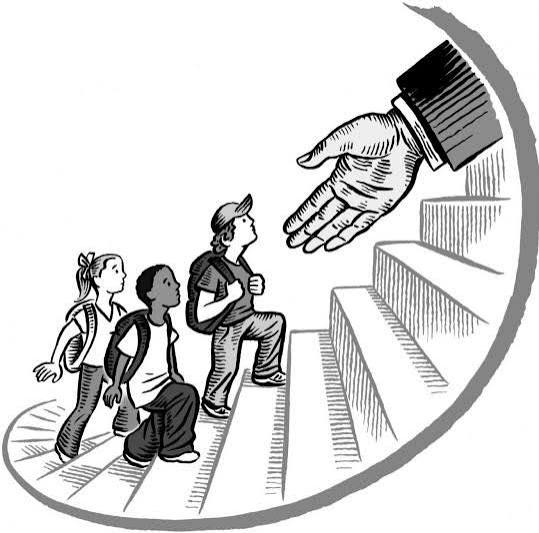
Parenting in Africa must evolve with the times. While love and protection remain valid motivations, projecting dreams can rob children of authentic growth. Instead:
Dialogue Over Dictation: Parents must listen, not just instruct. A conversation about career choices can be more valuable than ultimatums.
Exposure Over Restriction: Instead of dismissing football or music, parents should expose children to both passion and practicality. Let them test waters while keeping options open.
Support Systems: Parents can encourage children to combine dreams with backup plans—bridging passion with stability. Parenting should not mean clipping wings but guiding flight.
The Future of African Dreams
The African youth are proving daily that dreams once dismissed as “frivolous” can sustain families, build industries, and inspire nations. From tech startups in Nairobi to Afrobeats in Lagos, from Nollywood in Nigeria to athletics in Kenya, non-traditional careers are shaping Africa’s global reputation.
The key lesson? Obedience doesn’t always equal success. Rebellion doesn’t always equal disrespect. True success is when children and parents find a middle ground where passion meets purpose. At its heart, this is not a war between parents and children but a negotiation between past fears and future possibilities. Parents, shaped by scarcity, want security. Children, shaped by new opportunities, want authenticity.
The challenge for Africa is not to reject parental wisdom but to balance it with youthful creativity. Because the next generation of leaders, whether doctors or dancers, lawyers or lyricists, must not carry dreams that aren’t theirs.
For Africa to thrive, its youth must be allowed to dream their own dreams, not inherit unfinished hustles.