Ato Forson Defends IMF Targets, Vows Ghana Will Stay the Course on Fiscal Discipline
Ghana’s Finance Minister Ato Forson vows strict fiscal discipline, saying meeting IMF targets is essential to economic recovery and avoiding another crisis.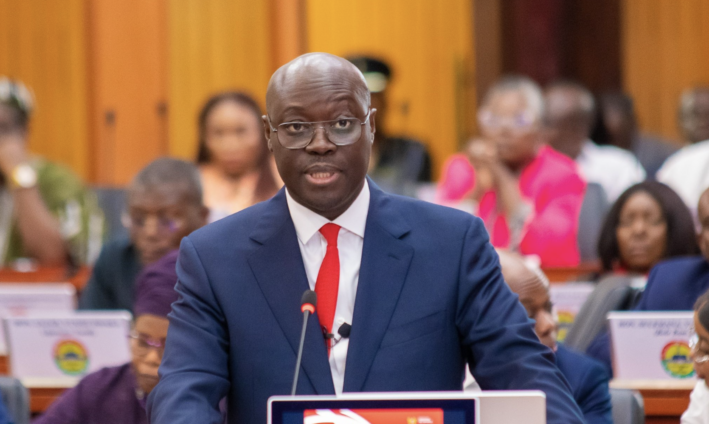
Ghana's Finance Minister, Dr. Cassiel Ato Forson, has issued a resolute declaration that the government will uphold stringent fiscal discipline, rejecting any notion of abandoning it for political expediency.
Speaking on Joy News’ PM Express following the presentation of the 2026 Mid-Year Budget Review to Parliament, Dr. Forson vehemently defended the administration's cautious spending, emphasizing its critical role in ensuring Ghana's successful exit from the International Monetary Fund (IMF) programme and preventing a return to a devastating economic crisis that previously necessitated painful debt restructuring.
Dr. Forson clarified that the stringent fiscal targets currently being pursued by his administration were not self-imposed but were direct inheritances from the agreement signed between the previous Akufo-Addo administration and the IMF.
He detailed how the New Patriotic Party (NPP) government committed Ghana to an IMF program, securing a $3 billion loan and agreeing to achieve a primary balance target of 1.5% of Gross Domestic Product (GDP).
“The NPP committed Ghana into an IMF program, signed an agreement with the IMF and borrowed $3 billion from them, and committed us, this government, that we would do 1.5% of GDP,” he stated, adding that by the time the NPP left office, three-quarters of the $3 billion had already been spent.
The Finance Minister underscored that international obligations transcend political changes, asserting that the IMF engages with governments and countries, not political parties.
He stressed his responsibility to fulfill the 1.5% GDP target: “IMF does not deal with political parties; they deal with government and countries. I have a responsibility to achieve 1.5% of GDP. Are you telling me that I should default on the promises that the Government of Ghana has taken a loan from the IMF? Certainly not.”
He maintained that meeting these programme conditions has been pivotal in restoring confidence in Ghana’s economic recovery efforts, enabling the IMF to confidently inform its board that Ghana has met all conditionalities for the loan, paving the way for its exit from the programme.
Regarding the country's fiscal performance, Dr. Forson expressed confidence that Ghana is firmly on track to meet, and potentially exceed, the end-of-year target. He revealed that a primary surplus of 0.9% of GDP had already been achieved by mid-year.
He projected that annualizing this performance would result in 1.8% of GDP, providing an additional 0.3% fiscal space for spending by year-end while still comfortably meeting the 1.5% target. He reiterated that this target was a conditionality of the IMF program, not an arbitrary goal set by the current government.
Dr. Forson strongly refuted criticisms suggesting that the government's fiscal gains were merely a result of withholding expenditure.
When questioned whether the gains were “all because you are not spending,” he pushed back, asking, “Oh no, but do you want me to spend and derail the IMF program? Is that what they want me to do?” He argued that abandoning fiscal discipline would nullify the progress made, risking a return to financial distress, another economic crisis, and potentially further