If Africa Was Counting 25,000 Years Ago, What Else Did We Know About Health?
Long before modern medicine, Africans were innovating in surgery, vaccination, and healing—so why is that history still ignored today?
There is a bone sitting in a museum in Brussels, Belgium. It is small, barely 10 centimetres long, dark brown and carved from the fibula of a baboon.
It was pulled from the banks of Lake Edward in the Democratic Republic of Congo, buried under layers of volcanic ash for roughly 25,000 years.
When scientists finally studied it, they found something nobody in Europe was ready to accept: evidence that people in central Africa were already doing mathematics.
They were doing prime numbers, lunar cycle tracking, base-12 counting and in the Stone Age at that.
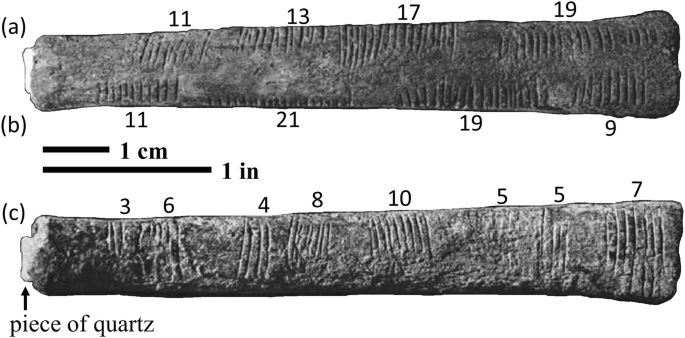
The artefact is called the Ishango Bone and it is widely considered one of the oldest mathematical tools in human history.
But there is a question that does not get asked enough; if we were this sophisticated with numbers 25,000 years ago, what did we know about the body?
We Were Writing Medical Textbooks Before Greece Was Founded
Let's start with Egypt, because Egypt is in Africa, no matter how many history curricula try to float it into the Middle East.
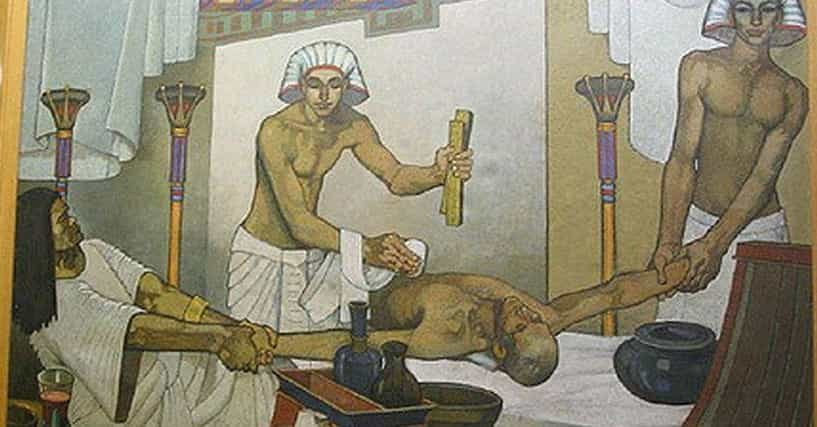
The earliest known surgery was performed in Egypt around 2750 BC. That is not a small thing.
That is organised, deliberate, anatomical intervention millennia before anyone was calling themselves a physician in Europe.
The Ebers Papyrus, dated around 1550 BC, is one of the oldest known medical works in existence.
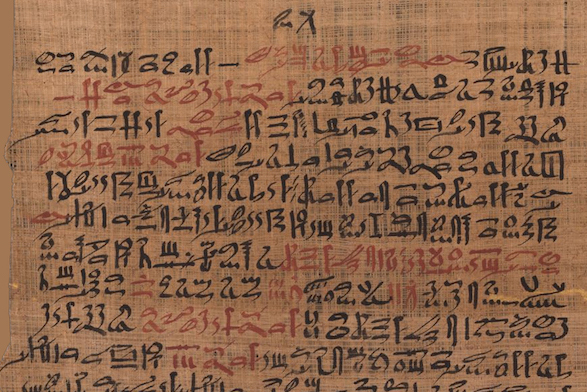
It contains over 700 prescriptions and remedies for ailments ranging across almost every area of the body and it includes a surprisingly accurate description of the circulatory system — noting the existence of blood vessels throughout the body and the heart's function as the centre of blood supply.
They knew the heart was a pump. They documented tumours.
They diagnosed and treated dental problems including caries, abscesses, gum inflammation, jaw dislocation and performed dental surgeries.
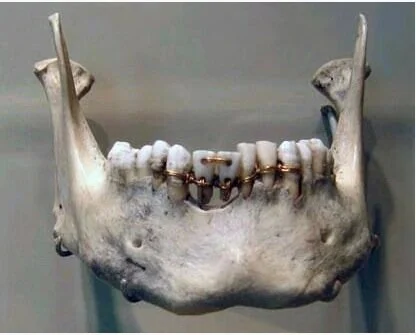
One mummy was found with two teeth joined by a piece of golden wire. And we all know what that is.
The Rest of Africa Was Not Sitting Still Either
History
Rewind the Stories that Made Africa, Africa
A Journey Through Time, Narrated with Insight.
Egypt tends to get all the credit when people talk about ancient African medicine, but the rest of the continent was equally active.
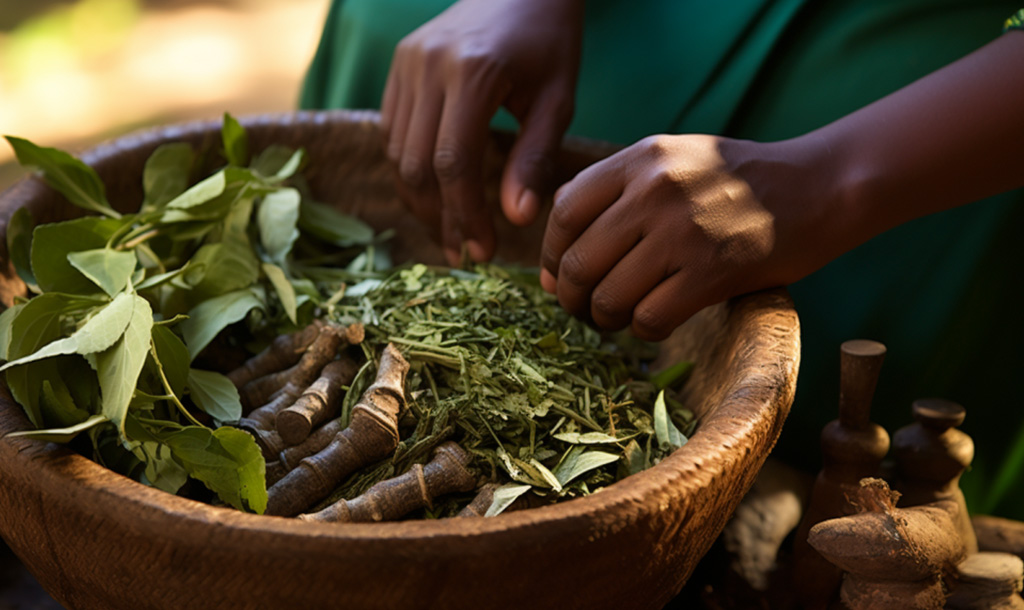
Evidence of the use of traditional African medicine can be traced back to the Stone Age, with tribes using herbs and other implements to provide cures that had been passed down orally for generations.
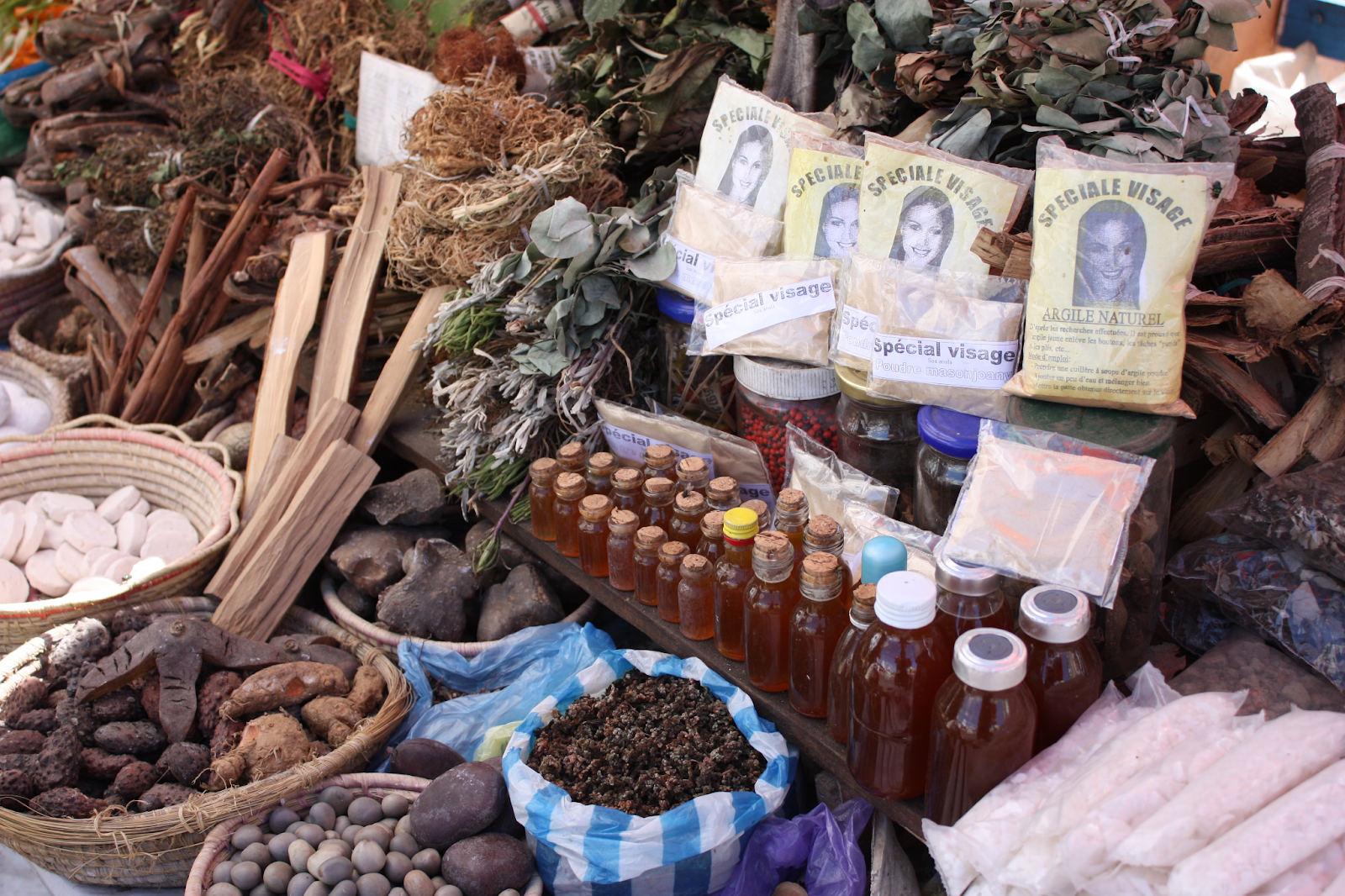
Nearly 4,000 medicinal plants have been documentedfor their various pharmacological activities across Africa.
Traditional healers in Nigeria were known by specific titles depending on their ethnic group — Babalawo and Oniseegun among the Yoruba, Dibia among the Igbo, Boka among the Hausa — each representing a specialisation, a lineage, a body of knowledge passed down with precision.
We Invented Vaccination
This might be the most under-told story in medical history.

When Edward Jenner is credited with creating the smallpox vaccine in 1796, the world nods along. What the world tends to skip is what happened 75 years earlier, in 1721, when a smallpox epidemic broke out in Boston.
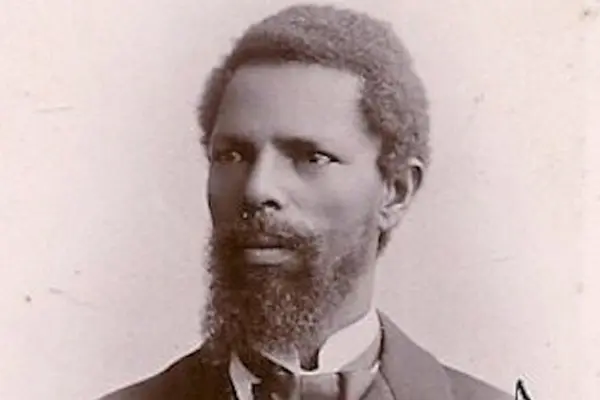
A minister named Cotton Mather found out that his enslaved African man, Onesimus, likely from the Akan people of West Africa, already knew how to stop smallpox from killing an entire population.
Onesimus introduced Mather to the principle and procedure of variolation, a method of inoculation that had long been practised in Africa among sub-Saharan people, and which laid the foundation for the development of vaccines.
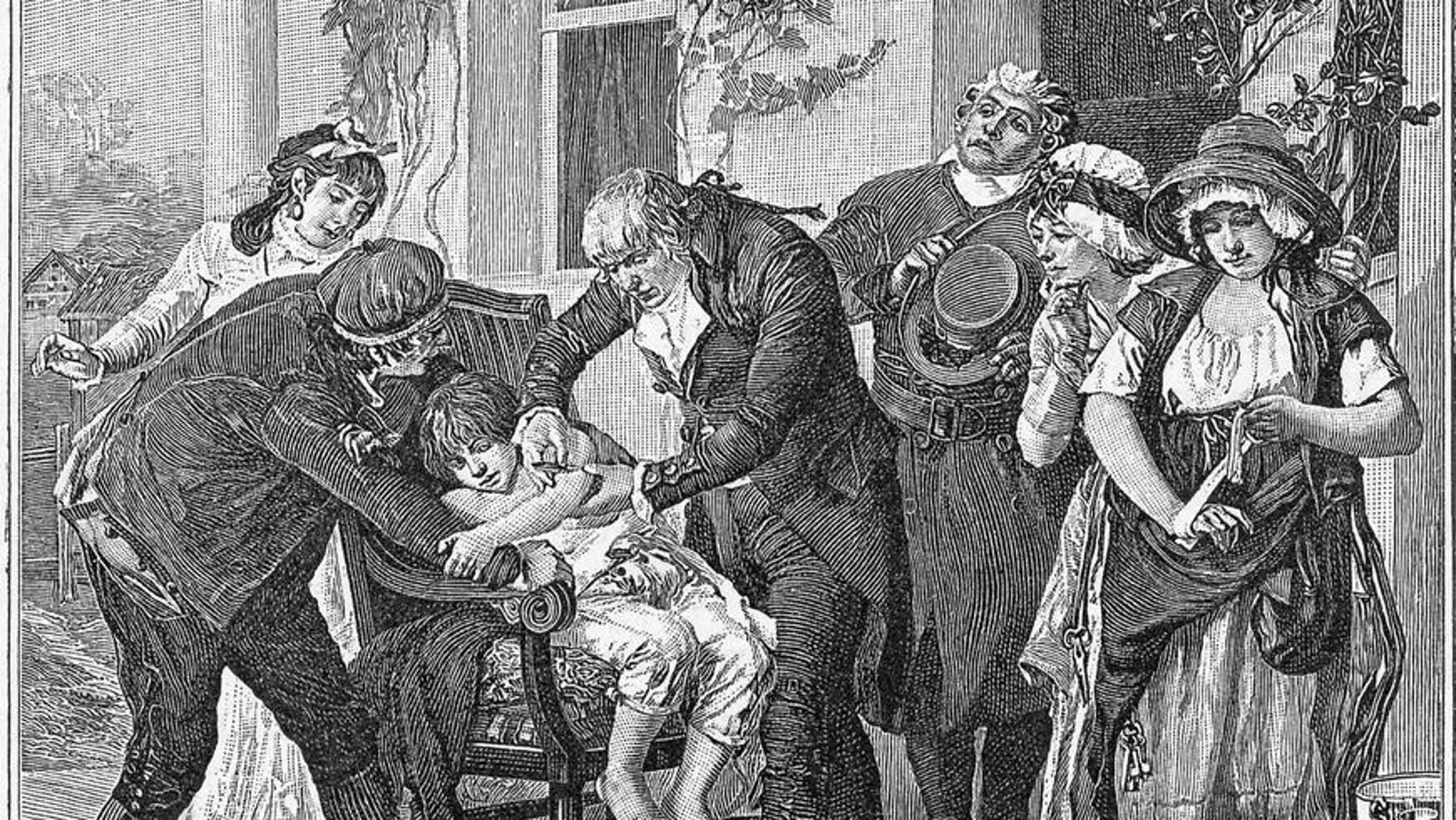
The method involved deliberately introducing a small amount of smallpox material into a healthy person's skin, triggering a mild infection that then created immunity.
A French geographer writing in 1773 stated that many West Africans had been practising smallpox inoculation since time immemorial and that the transatlantic slave trade violently dispersed these West African communities throughout the Americas, where they continued and shared their medical practices, including with their enslavers.
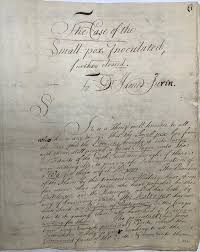
They were not learning from Europeans. Europeans were learning from them, then erasing the source.
Why This Matters Right Now
In 2026, Nigeria is still having debates about whether traditional medicine deserves integration into the formal healthcare system.
There are young doctors who roll their eyes at the mention of herbal treatments. There are policymakers who require Western validation before they will acknowledge what grandmothers in Kogi State have known for generations.
Herbal medicine was once termed primitive by Western medicine, but through scientific investigation there is now a better understanding of its therapeutic activities and many pharmaceuticals have been modelled on phytochemicals derived from it.
History
Rewind the Stories that Made Africa, Africa
A Journey Through Time, Narrated with Insight.
In other words, the pharmaceutical industry has spent billions of dollars reproducing what African healers already had, then selling it back to Africa at prices nobody can afford.
The Ishango Bone does not prove everything. But it proves the premise.
A continent that was tracking prime numbers and lunar cycles 25,000 years ago was not incapable of understanding the human body.
We were not waiting for someone to come and teach us about medicine. We were already the teachers.
The bone is sitting in Brussels. The knowledge it points to belongs to us.