How Nigerian Food Culture Is Evolving in Diaspora Homes
Nigerians in the diaspora are reimagining their relationship with food as they grapple with loneliness, culture shock, high prices, and the longing for home. Here's how their food culture is adapting—without losing its soul.
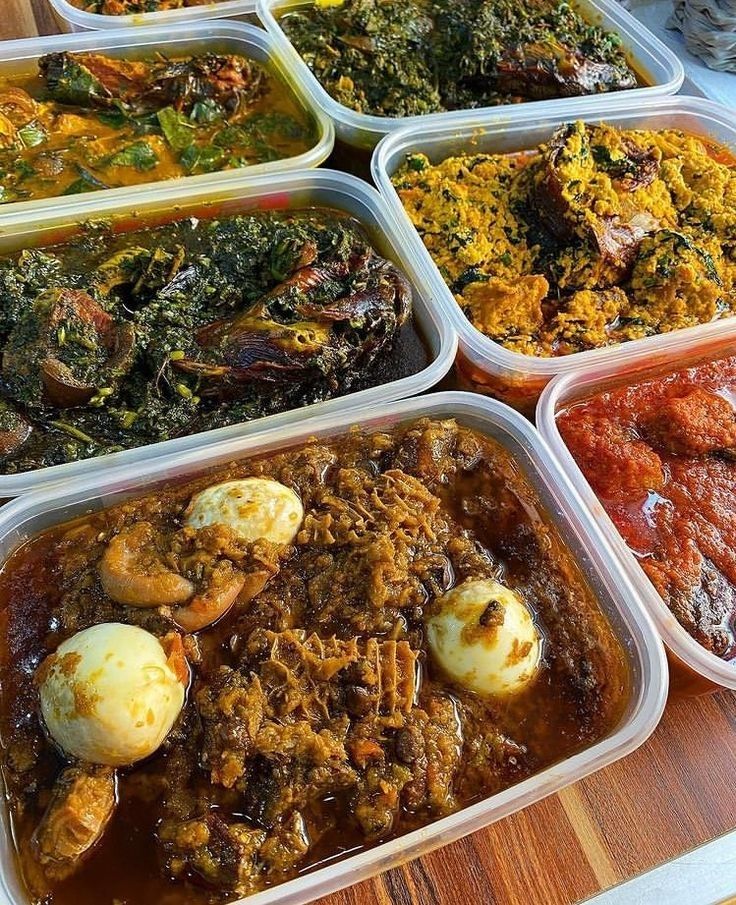
Written By: Adeola Lawal
A Culinary Identity That Travels
Nigeria has a rich and varied culture that dates from time immemorial. From brilliantly-hued aso oke to lavish parties and intricate dances—but most of all, the food.
Nigerian cuisine has always been populated with starchy foods, flavorful stews and soups, and the very popular jollof rice. To supplement those, roadside stalls offer hot puff-puff, fresh hot bread and butter or Bama, and bottles of cold zobo and Lacasera.
Communal Eating Shapes Nigerian Culture
Food is an integral part of gatherings in Nigeria. There are many different kinds of food at every major gathering, ranging from soups to rice, small chops, and fruit salads.
Nigerians have been known to say that if food runs out at your wedding, it isn’t worth the effort put into attending—and sometimes they mean it.
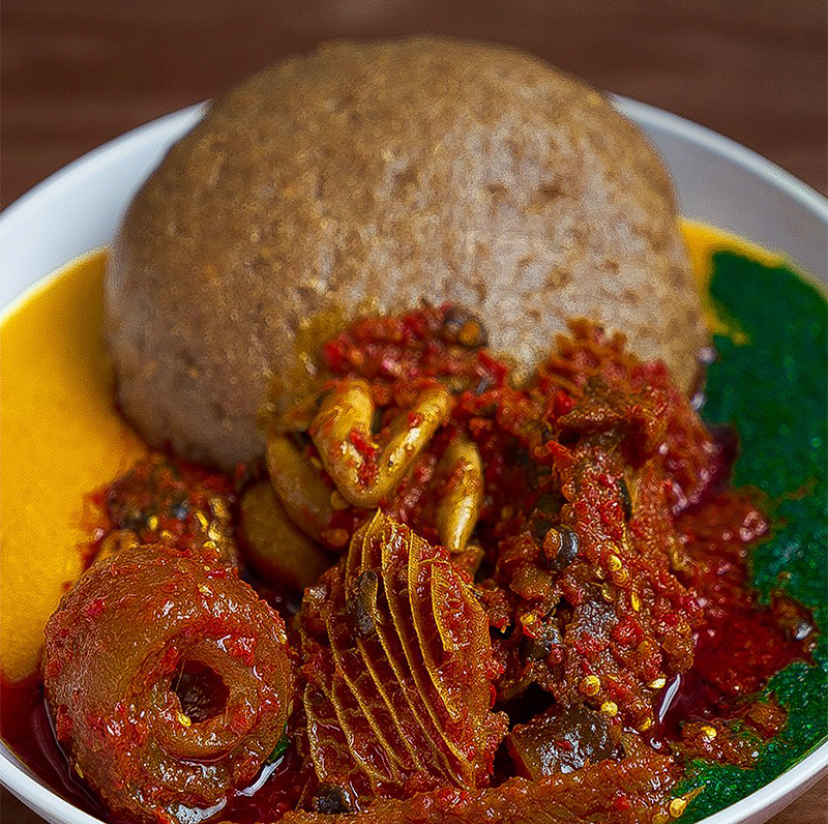
Nigeria has a communal attitude to food. People rarely prepare meals for just one serving. Meals are prepared with large groups in mind, be it a family (or families), or a group of friends.
Even individuals living alone often cook in large batches meant to last for days or even weeks.
This ensures that there is always something to eat: a little rice and stew, or some leftover eba and soup. There is always food at home.
In Nigeria, sharing food is a way to show love and support. A mother will make pot after pot of catfish pepper soup for her postpartum daughter. A friend will send over a platter of small chops when her best friend gets a new job.
At weddings, close friends will bring their own caterers with big coolers of food to supplement the couple’s efforts.
Culture Shocks in the Diaspora
Diaspora Connect
Stay Connected to Home
From Lagos to London, Accra to Atlanta - We Cover It All.
When Nigerians move to foreign countries, one of the major culture shocks—amongst others—is the difference in food culture. From unfamiliar flavor palettes to different attitudes toward food-sharing, the adaptation can be jarring.
In the first few weeks after their move, many Nigerians complain about the weather, the interpersonal dynamics, but mostly—the food.
Since many Nigerians move to the diaspora alone, they find it challenging to adapt. While in Nigeria, there is a food stall or a snack vendor at every turn, that’s not the case in many diaspora cities.
Food is not as accessible, and even when it is, it’s often so unfamiliar that many find it hard to stomach.
There are no roadside bukas to buy rice and meat from. No hawkers to sell buns, gala, and walnuts. The culture shock is massive. Many Nigerians report either dramatic weight loss or weight gain as they try to get a grip on their new reality.

Even a simple visit to the African store can bring sticker shock. The cost of importing raw Nigerian food into these foreign cities directly impacts the prices of items, making them too expensive for many of the intended customers.
Common food items like yam, stockfish, and groundnuts cost significantly more than expected. Many have to forgo the foods they would prefer to eat and settle for basic meals like bread, eggs, noodles, pasta, and chicken.
Creative Substitutions and Diaspora Innovations
Even then, many Nigerian foods are simply unavailable in different parts of the diaspora because they are difficult to transport. In a bid to create familiar culinary experiences, many Nigerians learn to substitute quickly.
In lieu of crayfish—a popular condiment used to prepare Nigerian soups—they reach for fish or shrimp. Orange potatoes instead of yams for asaro. A liberal sprinkling of yaji to add flavor to basic dishes.
Although many metropolitan cities boast Nigerian restaurants, not all of these places serve food that meets Nigerian taste standards. It might not be flavorful enough, spicy enough, or it may just be bland.
Some of these places prey on their customers’ desire for homemade Nigerian food, offering barely palatable meals at astronomical prices.
Bridging the Gap: Food, Business, and Belonging
On the flip side, some Nigerian entrepreneurs have set up restaurants in these faraway places and serve food so flavorful that Nigerians can’t help but flock in.
One of these restaurant chains, Enish, has branches across the United Kingdom and Dubai, offering authentic Nigerian dishes like jollof rice, isiewu, asaro, goat meat pepper soup, and much more.
Diaspora Connect
Stay Connected to Home
From Lagos to London, Accra to Atlanta - We Cover It All.
Even though restaurants like Enish serve good food, many people still cannot afford to subscribe to their meals long-term because they cost more than the average earner can comfortably spend.
These individuals may choose to partake in such meals once or twice a month, as a treat.

Photo Credit: Google, Enish
Others who prefer cooking their own food sometimes experience discrimination from locals, who claim the food has a strong aroma or looks unappetizing.
These remarks, often racist in undertone, can lead to isolation or bullying, especially at work.
In a bid to be as inoffensive as possible, many Nigerians avoid bringing their own food to work or shared spaces, spending more than they can afford on “acceptable” food.
Others avoid cooking entirely, feeling it's impractical to cook elaborate meals for just themselves.
Cooking in Nigerian culture is deeply social, so preparing meals just to eat alone can feel like a heavy emotional task.
A New Kind of Community: Buffets, Events, and Packaged Solutions
Despite the challenges Nigerians face while sourcing good food in the diaspora, there’s a bright side. The lack of access to comfort foods is now sparking new forms of community.
Many individuals and food chains now host affordable buffet-style meals that encourage communal eating and mingle sessions.
These are helping diaspora communities rediscover a healthy, shared relationship to food.
Another alternative for Nigerians in the diaspora is microwaveable meals. Businesses like Adun prepare and package Nigerian dishes, distributing them to local grocery stores. Adun also sells flavor boosters, like chili oil, to help elevate even the simplest dish.
Conclusion: Nigerians in the Diaspora Are Adapting to a More Solitary Food Culture
Despite all the limitations, there are several avenues helping bridge the divide between the familiar and unfamiliar realities of food in Nigeria and the diaspora.
Diaspora Connect
Stay Connected to Home
From Lagos to London, Accra to Atlanta - We Cover It All.
Moving to foreign cities causes a significant shift in diaspora homes, whether due to cash flow, access, or isolation.
But proper planning, communal alternatives, and innovative businesses are creating new ways for Nigerians abroad to stay rooted in flavor and memory, one spicy bite at a time.
Written By: Adeola Lawal