How Much Is Lagos Losing to the Floods?
Lagos floods every year, and the government warns residents before it happens. However, Nigeria loses trillions to flooding, and Lagos seem to carry the heaviest share. How much does Lagos lose to flooding?
HOW MUCH IS LAGOS LOSING TO THE FLOODS?
Lagos does not lose money to floods once a year. It loses money every time the sky opens, and nobody in government has bothered to add up the real bill.
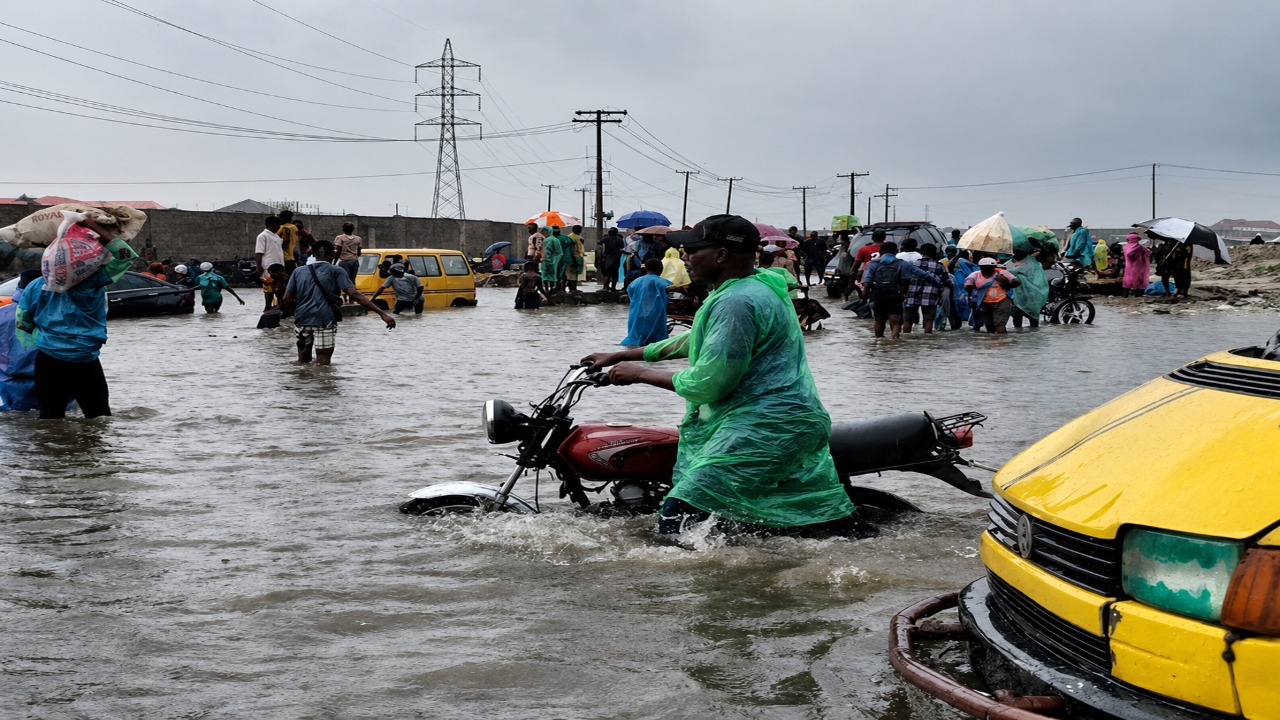
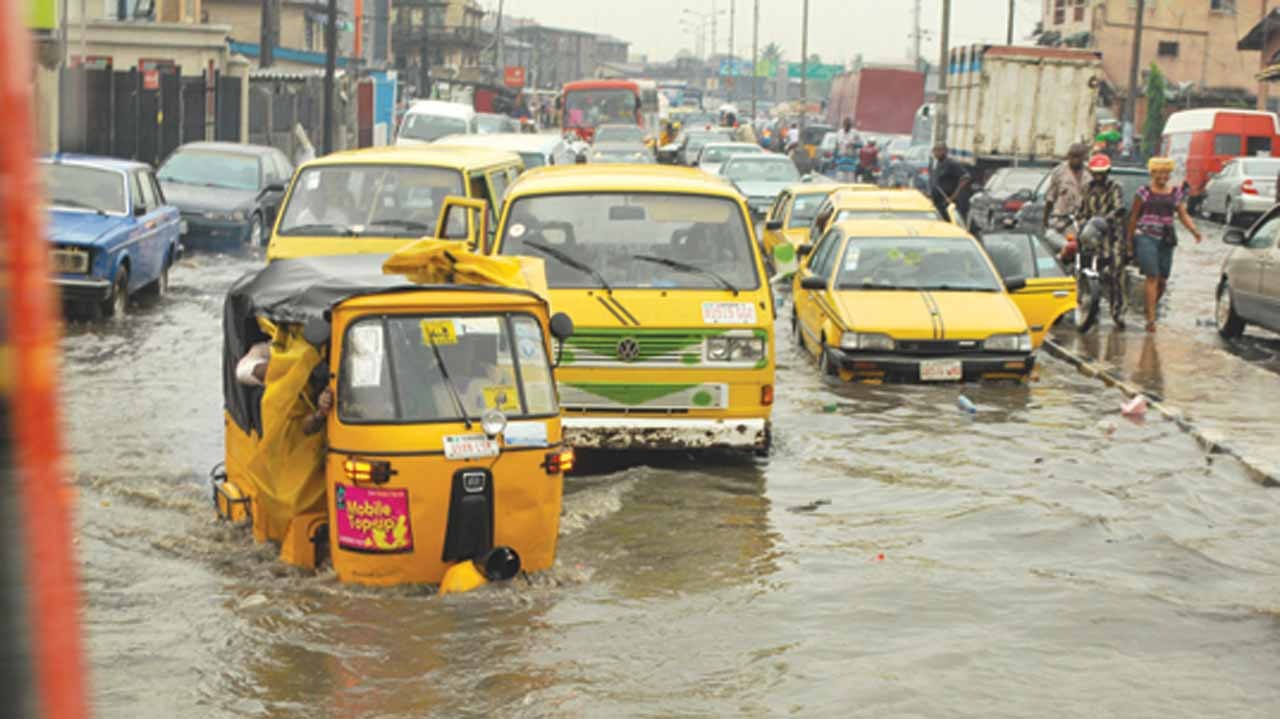
The scenes are the same each rainy season. Okada riders push their bikes through brown water on the approach roads to Third Mainland Bridge. A trader in Balogun market watches her fabric soak through a nylon bag she thought was waterproof. A Bolt driver adds ₦3,000 to a fare because the road to Lekki Phase 1 has turned into a canal.
Everyone treats this as weather, instead of accepting that it is actually an economic event, and the cost of everything is larger than the viral videos suggest. What gets lost in the noise of another flooded Third Mainland approach is that this same disruption repeats itself, street for street, almost every June.
What the Government Warned Before It Happened
Lagos State issued flood alerts between June 14 and June 21 last month. The message named specific places: Apapa, Eti-Osa, Lekki, Ikorodu, Surulere, and Ikeja. Residents were told flash floods were likely, water levels would rise, and they should prepare. This wasn't a vague seasonal caution. It named streets people actually live and work on.
The flooding happened anyway, in most of the same places the warning listed. That's worth sitting with for a second. A government agency correctly predicted where the water would go, and the water still went there, and people still lost things they couldn't get back.
Ikeja is not a swamp. Surulere is not built on a floodplain nobody thought to check. These are areas with roads, drainage channels, and decades of urban planning documents sitting in state archives.
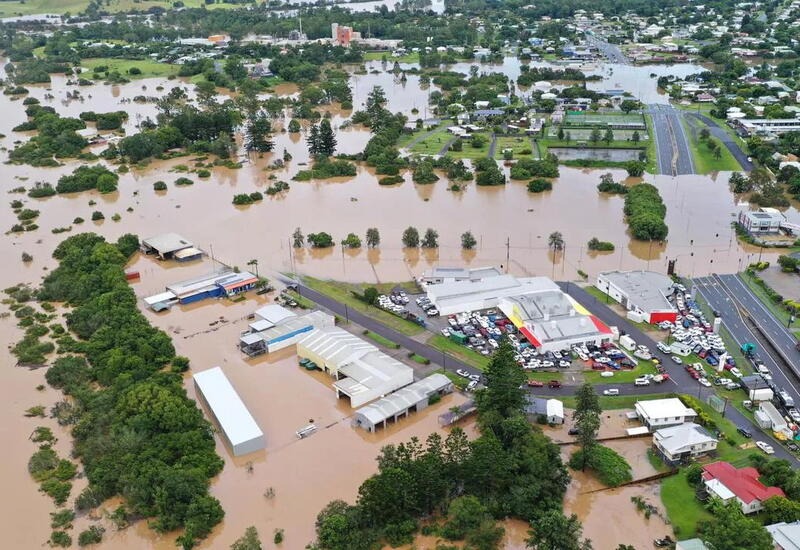
The prediction working and the outcome still happening at the same time tells you the problem isn't information. Lagos knows where the water is going. It just hasn't built anything that stops the water once it arrives.
Where the Naira Actually Goes
Business Day cited NiMet figures putting Lagos's 2025 flood losses above ₦200 billion. That's one year. Three years before that, in 2022, the state lost ₦100 billion in transport costs alone, from roads and vehicles damaged by flooding.
The Guardian's reporting puts Nigeria's total flood losses at roughly ₦13 trillion over recent years, and Lagos carries a disproportionate share of that because so many people live close together on land that sits low against the coast.
Say those numbers out loud and they sound abstract, the kind of figure that shows up in a budget document and gets skimmed past. Break it down and it stops being abstract. ₦200 billion is enough to build several general hospitals.
It's close to what entire state governments allocate for a year of roads, schools, and public works combined. Lagos spent that amount, in a single year, mopping up after rain.
Nobody collects the losses that don't show up in a transport ministry's spreadsheet. A tailor in Ikorodu whose sewing machines sat underwater for six hours doesn't file that loss anywhere officially. Neither does a mechanic in Surulere whose workshop floods twice in the same month, or a courier who can't complete deliveries because Apapa's access roads have become impassable.
Flood insurance barely exists for businesses like these in Nigeria, so there's no claims process, no paper trail, no number that ends up in a NiMet report. Suppose every one of those small, uncounted losses got added to the ₦200 billion figure. The real total would almost certainly be higher, possibly by a wide margin, and nobody currently has the data to say by how much.
The Sickness That Comes After the Water
Floodwater in Lagos doesn't stay clean for long. It runs through blocked drainage channels and picks up whatever waste has been dumped into them, then sits in low points around the city for days.
Researchers studying flood resilience in Lagos have pointed to four consistent culprits: poor drainage infrastructure, rapid urban growth, indiscriminate waste disposal, and climate change.
All four feed each other. More people means more waste. More waste means more blocked drains. Blocked drains mean water has nowhere to go when the rain comes, so it sits, and standing water breeds mosquitoes and carries bacteria.
Cholera and typhoid outbreaks follow flooding seasons in Lagos with enough regularity that public health workers plan around it. Malaria cases climb too, tied directly to the mosquito breeding grounds that floodwater creates.

None of that shows up in the transport and infrastructure figures that make headlines. A family that spends three days at a clinic treating a child for typhoid doesn't get counted as a flood loss anywhere, even though the flood is exactly what put them there.
The Federal Ministry of Environment flagged Lagos this year as one of the states facing significant flood risk, and told residents in vulnerable areas to map out evacuation routes ahead of time and avoid settling in flood-prone zones. That's sound advice for anyone hearing it in time to act on it.
It's also, if you read it carefully, an admission from the federal government that getting out of the water's way is currently more realistic than stopping the water from coming.
Why the Same Places Flood Every Single Year
Lagos sits low against the Atlantic, and that geography was never going to make drainage easy. But plenty of coastal cities manage their water better than Lagos does, which means geography explains part of this story and not the whole of it.
The rest comes down to choices: what gets built on waterways, what gets enforced when someone dumps waste into a canal, and what gets funded before the rains start instead of after.
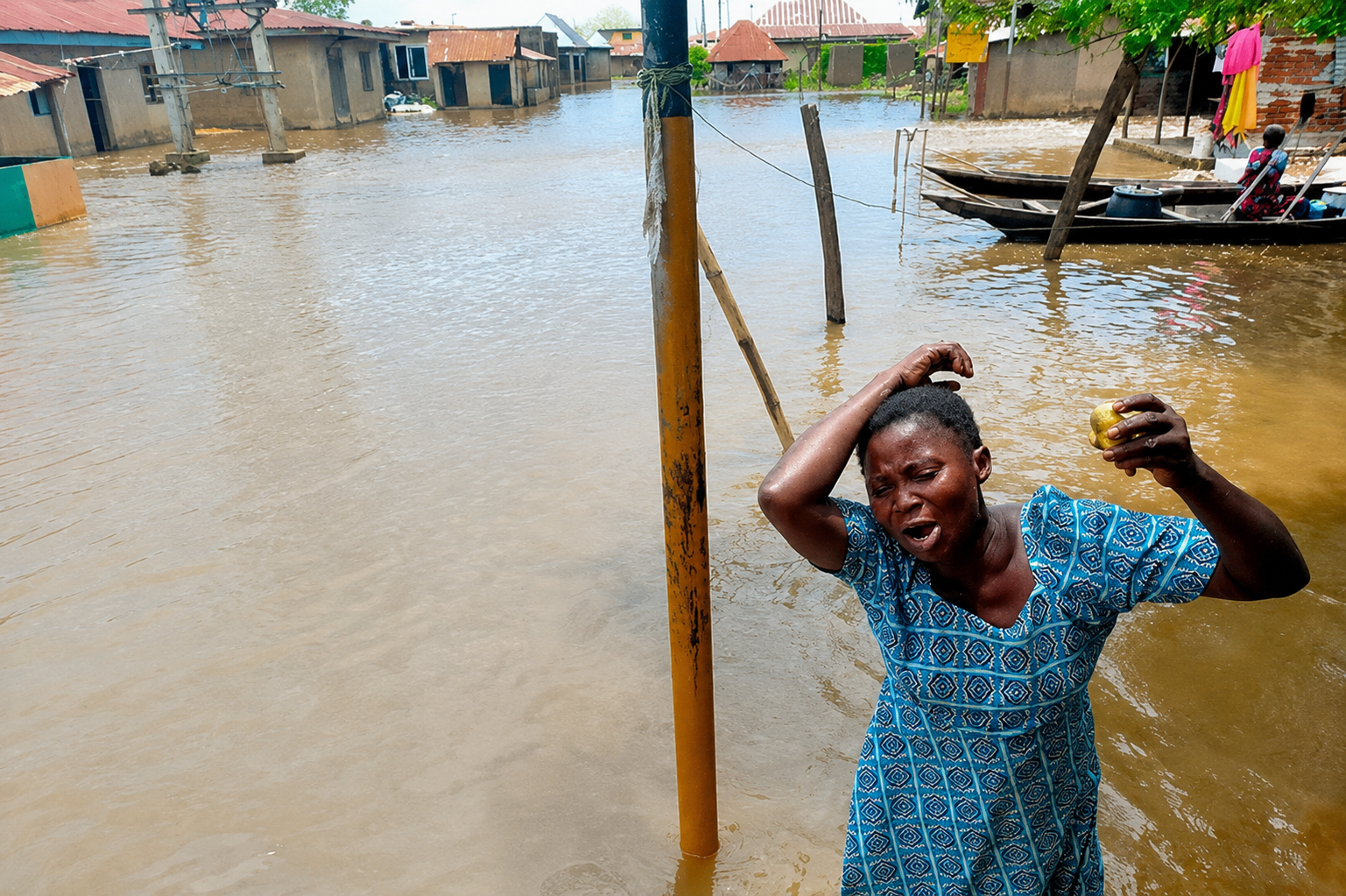
Ninety thousand residents get affected by flooding in Lagos every single year. In 2021 alone, 4,000 people had to be evacuated. Out of 136 port cities studied for population exposure to flooding under a 2005 climate scenario, Lagos ranked 30th.
Under a projected 2070s scenario, that ranking climbs to 15th. The city is also listed among the fifty most vulnerable in the world to extreme sea level events. Every one of those numbers points in the same direction, and none of them are getting better on their own.
Lagos will keep clearing drainage channels every year, and that work isn't worthless. But clearing a channel after it's already blocked is maintenance, not prevention, and maintenance alone hasn't stopped the same seven neighbourhoods from flooding on schedule.
The ₦13 trillion national figure will keep growing until something changes in how the city plans, builds, and enforces the rules around its own waterways. Until then, Lagos will keep paying for rain the way it always has: quietly, unevenly, and mostly in places nobody bothers to add up.