How Long Can We Keep Data Centres Running If Earth Keeps Paying the Bill?
Data centres power the digital world, but their water, energy and environmental costs raise a deeper question: how long can technological growth continue at Earth’s expense?
The next time you ask an AI tool a question. I want you to imagine a machine somewhere far away working to answer you. Behind the clean interface you see every day is a building packed with servers, running day and night, producing enormous heat and requiring enormous amounts of electricity, cooling, and, in some facilities, water.
A post by Mohamad Safa caught my attention because it gave this problem a phrase that is difficult to forget: “Global Water Bankruptcy.”
Safa, according to his post, said that the world is entering an era in which clean water could become increasingly scarce, priced and controlled, while data centres continue using water for cooling because it is often the cheapest option.
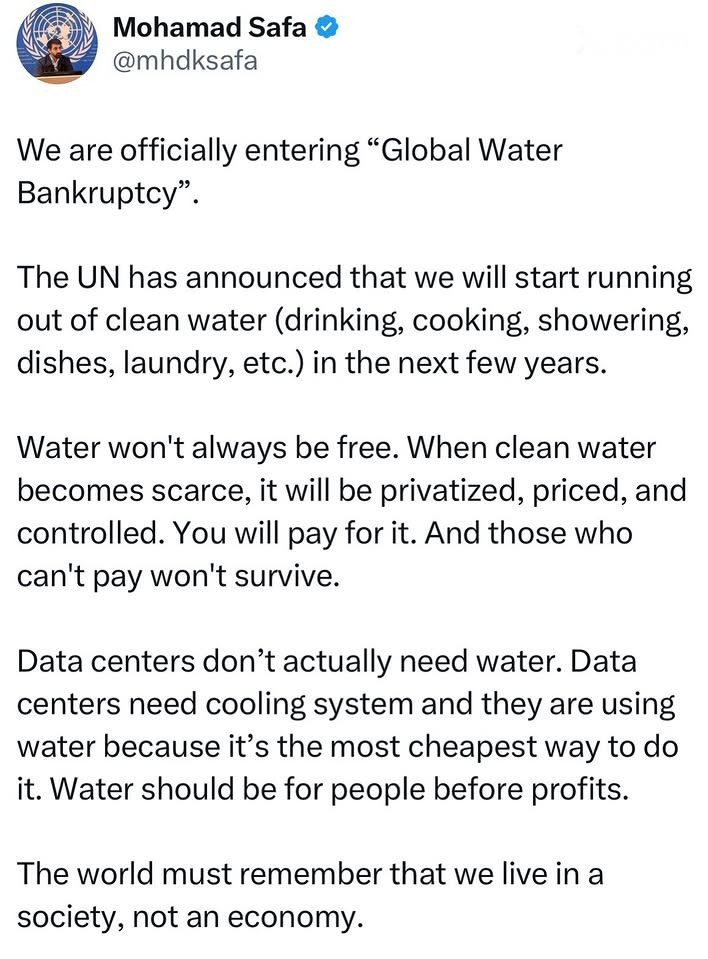
The United Nations has not announced that humanity will suddenly “run out” of clean water in the next few years. But the UN and United Nations University have repeatedly warned about worsening water stress, and a 2026 UNU-INWEH report itself, according to Scribd, uses “global water bankruptcy” to describe river basins and aquifers being pushed beyond sustainable limits.
So the question is not whether every data centre is draining the planet. It is whether our definition of technological progress has become too comfortable with costs that are paid somewhere else.
The cloud is physical, and someone lives beside it.
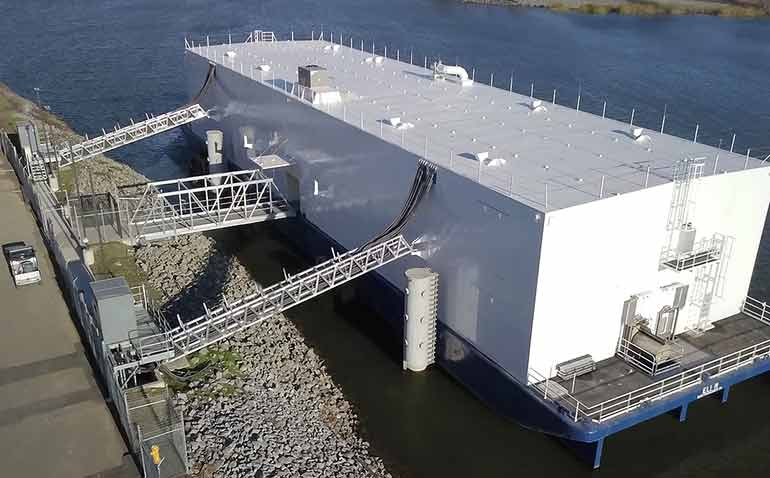
Look at Quincy, Washington, a small agricultural community in the United States. Microsoft says the city draws about 2.2 billion gallons of water from underground aquifers in a typical year, a volume it compares with the annual needs of about 30,000 people, despite Quincy having only about 8,200 residents.
Microsoft’s presence there shows the scale of the conversation. The company helped build a water-reuse facility that can recycle cooling water and says the project reduced its potable-water use in the region by 97 percent.
That complicates the easy story. Data centres are not automatically environmental villains, and companies are developing air cooling, recycled water and closed-loop liquid cooling systems. Microsoft says its newer AI-optimised designs can use zero water for cooling during operations.
But the fact that alternatives exist raises another question: why should fresh water remain the convenient option where it is cheaper?
Cooling is not a luxury for a data centre. Servers generate heat, and that heat must go somewhere. Evaporative cooling can be efficient because water removes heat effectively, but some of that water leaves the system as vapour.
In a water-stressed community, the question is no longer simply whether the technology works. It is whether the local water system can afford for it to work that way.
Electricity has its own bill.
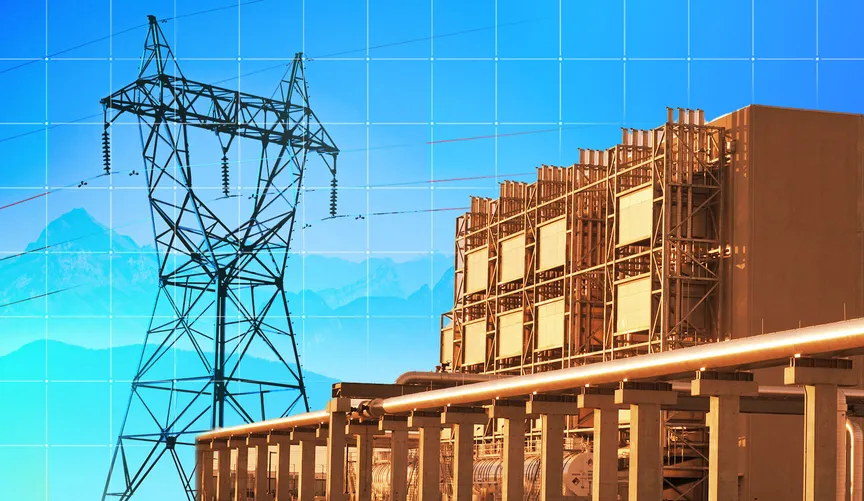
Water is only one part of the bargain.
The International Energy Agency estimates that data-centre electricity consumption could roughly double from 485 terawatt-hours in 2025 to about 950 TWh in 2030, with AI-focused facilities growing even faster.
Then there is the electricity required to produce that electricity, the land needed for new facilities, construction materials, backup generators, transmission infrastructure, and the hardware eventually replaced as servers become obsolete.
This is where the ethical question becomes uncomfortable.
The benefits of digital infrastructure are widely distributed, but its environmental costs are not.
The person generating an AI image in a wealthy city may never see the water source, electricity substation, farmland, or neighbourhood located beside the facility processing the request.
The people living there do.

They may also receive the noise, construction, pressure on infrastructure, and changes in land use, while the highest-value benefits- cloud contracts, AI services, investment returns, and intellectual property- may sit somewhere else.
That does not make data centres unnecessary. Hospitals, banks, governments, schools and businesses increasingly depend on them. The point is that “digital” should not become another word for “costless.”
Maybe the real question is what we are willing to spend
There is an easy temptation to frame this as technology versus the environment. That is too simple.
Humanity needs computing. It also needs water. It needs electricity, food, housing and functioning ecosystems. The challenge is deciding what happens when those needs compete in the same place.
A data centre can bring investment, taxes, infrastructure and jobs. It can also receive incentives from governments competing to attract the next big technology project. The public therefore deserves to know what it is giving up, not just what it is promised.
How much water will the facility use? Where will that water come from? What happens during drought? How much electricity will it consume? Who pays for new infrastructure? What happens to the land? What protections exist for nearby communities? And, most importantly, who gets to decide when the environmental cost has become too high?
The phrase “water bankruptcy” is useful precisely because bankruptcy is about living beyond your means. If a community repeatedly draws down an aquifer faster than nature can replenish it, technological efficiency alone does not solve the problem. A more efficient data centre can still be part of an unsustainable system if the system keeps adding demand.
Air cooling, reclaimed water and closed-loop systems already exist, and companies are investing in them. The harder part is making environmental restraint a condition of growth rather than an optional feature added after public concern begins.
Because the people making the next generation of technology will not necessarily be the people carrying the consequences of its resource use.
We keep calling the future digital, as if the future will live inside screens. It will not.
It will still need rivers, electricity, land, air and water.
The question is whether our technology will learn to live within those limits, or whether we will keep asking the Earth to make the sacrifice look invisible.