How 1970s Nigerian Newspapers Fought Against Military Censorship
In 1970s Nigeria, military regimes tightened censorship, but newspapers fought back with wit, coded language, and underground tactics. Discover how journalists kept the truth alive under dictatorship.
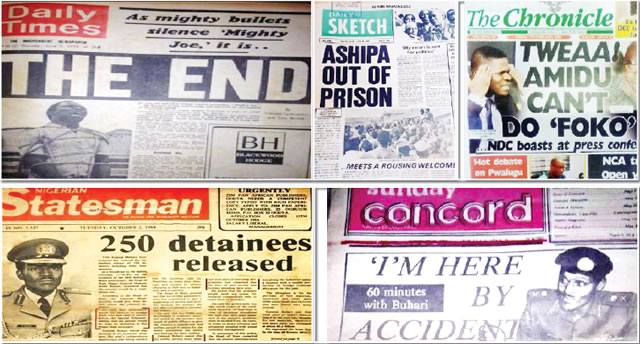
Photo Credit: Punch Newspaper

Picture a newsroom in Lagos, 1974. The clack of typewriter keys punctuates the thick, dusty air. A junior reporter rushes in, a statement in a brown envelope from a “reliable source” in hand. The editor scans it, brows furrowed. The story is explosive, allegations of corruption involving a top military officer.
But before the presses can roll, a phone call comes in from the Ministry of Information. A familiar voice, calm yet laced with menace, instructs: “Drop it. Or else.”
This was the daily reality of Nigerian journalists in the 1970s. This was a decade when military regimes tightened their grip on power and saw the press as both a threat and a tool. Yet, despite decrees, intimidation, and arrests, newspapers fought back, fiercely.
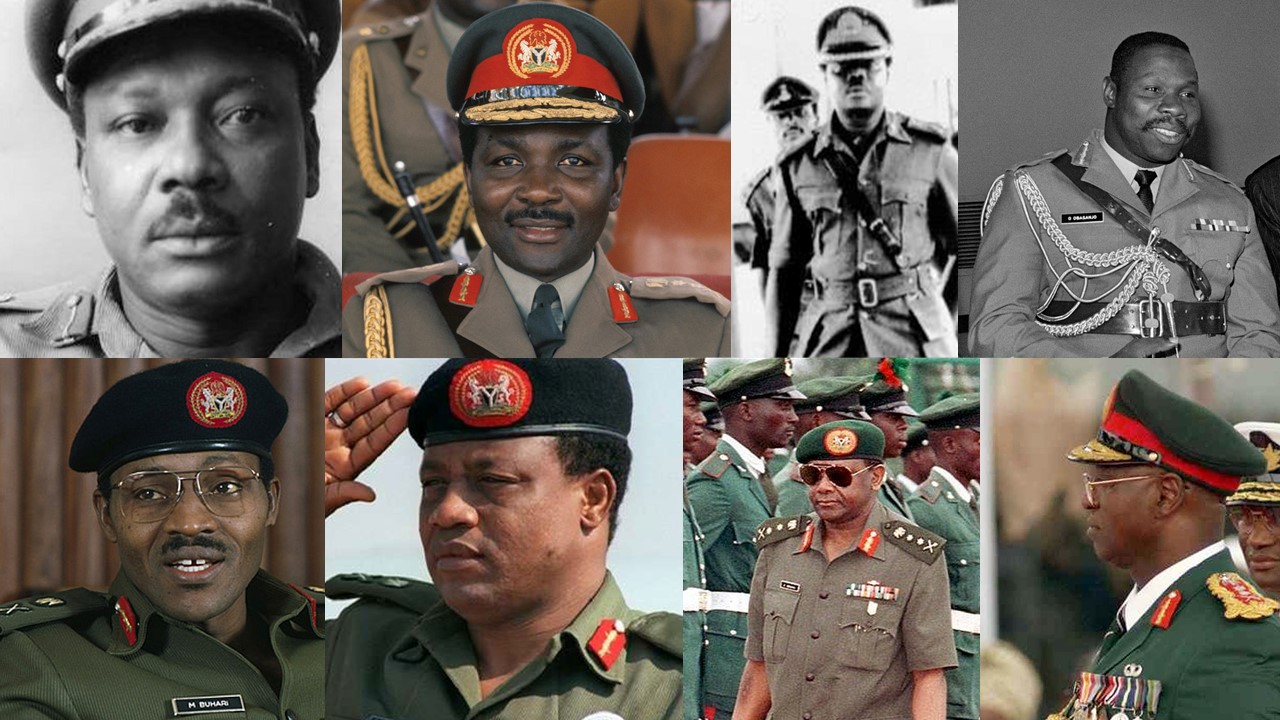
Photo Credit: Google
The Iron Grip of Military Rule
The Nigerian Civil War had ended in 1970, but the country’s political life was far from peaceful. General Yakubu Gowon’s government, and later the short but intense regimes of Murtala Mohammed and Olusegun Obasanjo, were determined to project strength and maintain order.
For the press, “order” often meant silence. A batch of decrees clipped the wings of journalists and the press, at large. Decree No. 11, for instance, protected public officers from “false accusations” which was just a vague phrase that conveniently protected them from any critical reporting.
Sedition laws could land a journalist in prison for stories deemed to “incite disaffection.” Detention without trial was a real and terrifying possibility.
Government-owned outlets like the Daily Times, which was once proudly independent, were increasingly assimilated. Ministries pushed for uniform narratives, particularly on issues of corruption, human rights abuses, or policy failures. In this climate, dissenting voices had to either submit, shut down, or get creative.
The Newspapers That Refused to Bow
History
Rewind the Stories that Made Africa, Africa
A Journey Through Time, Narrated with Insight.
Several papers became known for pushing the limits. The Nigerian Tribune, with its deep ties to southwestern political thought, continued to publish editorials that shook the military authoritarianism. The Punch, a relatively young publication then, adopted a lively, satirical style that disguised critique in humour.
In the north, the New Nigerian often walked a fine line, voicing concerns over governance while avoiding direct confrontation with power. And though the Guardian did not debut until the late 1970s, its founding vision was already brewing. A press that js guided by intellectual rigor and social responsibility.
What united these outlets was not just a desire to report the news, but to defend the right of Nigerians to hear it and that even means taking calculated risks.
Strategies of Resistance

1. Coded Language and Satire
Directly accusing a general of misconduct could earn a swift arrest. Instead, journalists mastered the art of implication. Editorials used fables, proverbs, and allegory which seemed harmless.
You would encounter stories about a “chief in the village” whose “yam barn was mysteriously full” after a poor harvest. Readers understood the subtext.
Political cartoons became weapons of subversion. A single image of a bloated soldier blocking a ballot box could say what 1,000 censored words could not.
2. Playing with Layout
Some editors developed a sly habit: placing a controversial piece next to harmless news. For example, a corruption exposé beside an article on yam prices, making it less likely to be flagged by censors skimming proofs.
Others crafted headlines with double meanings. On the surface, they complied while between the lines, they mocked.
A phrase like “New Era of Discipline” could refer both to the government’s slogan and to the rigid, joyless reality people faced.
3. Editorial Defiance
Certain journalists refused to be subtle at all. Opinion columns boldly criticized policy failures, sometimes using the safety of collective editorial boards to avoid singling out one writer for retaliation. The Nigerian Tribune, for instance, occasionally published fiery editorials that drew direct government warnings but rallied public sentiment.
History
Rewind the Stories that Made Africa, Africa
A Journey Through Time, Narrated with Insight.
4. Underground and Alternative Press
When the military clamped down hardest, shutting down presses or seizing entire editions, alternative networks sprang up. Leaflets and pamphlets circulated through campuses and markets.
These underground publications, often anonymous, could be blunt where mainstream outlets had to be clever. They were the unfiltered whispers of the street, amplified in print.
5. International Leaks
Some journalists quietly passed stories to foreign correspondents from the BBC, Reuters, and The Times of London. Once published abroad, these stories could make their way back into Nigeria to be read over radio, often beyond the reach of local censors.
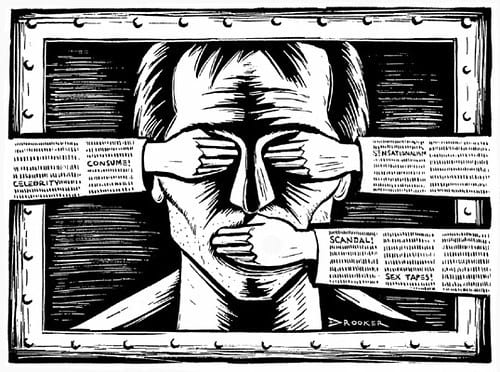
Photo Credit: Google
Flashpoints and Confrontations
The 1970s were dotted with high-profile clashes between the press and the military.
Journalists faced harassment, arrests, and detentions and sometimes for stories they had not even published, but had edited or approved. Newspapers were suspended for “security reasons,” a catch-all excuse that often meant they had embarrassed the wrong officer.
One infamous episode involved a paper that printed a seemingly harmless piece about food shortages. The government saw it as an insult to its “progress” narrative and ordered the presses stopped. The editors responded by reprinting the article in coded form the next week, tucked into a “letter from a concerned farmer.”
The Public Kept Listening
Despite the constant threats, these acts of resistance had an effect. Ordinary Nigerians learned to read between the lines, interpreting satire and metaphor as fluently as straight reporting.
The public grew more politically literate, understanding that silence in the papers often meant trouble behind the scenes.
History
Rewind the Stories that Made Africa, Africa
A Journey Through Time, Narrated with Insight.
In many ways, censorship sharpened the relationship between journalists and readers. It became a shared puzzle, a game of clues against the backdrop of oppression.
The Legacy of the 1970s Press
When Nigeria returned to civilian rule in 1979, the press had already been tempered by nearly a decade of military intimidation. This resilience would prove crucial during later crackdowns in the 1980s and 1990s, particularly under General Sani Abacha.
The strategies of the 1970s like coded writing, alternative publications, and international alliances, would resurface whenever press freedom came under threat again. The journalists of that era became mentors, teaching younger reporters that truth could survive even in the most hostile climates.
Lessons for Today
In an age when censorship often takes digital forms like blocking websites, flooding social media with propaganda, the lessons from the 1970s remain relevant.
The courage to question power, the creativity to evade suppression, and the solidarity between journalists and their audiences are still the lifeblood of free expression.
Modern reporters in Nigeria and across Africa can look back on this period as proof that even under the harshest regimes, the truth finds ways to leak through.