He Built a Wooden Electric Car at 17. Now He’s Building Homes to Fight Homelessness
After building a wooden electric car at 17, Ribal Zebian is now designing a modular home that can be assembled in a single day. The 18-year-old Western University engineering student plans to live in the prototype for a year to test whether it could help address Canada’s housing crisis and rising homelessness.
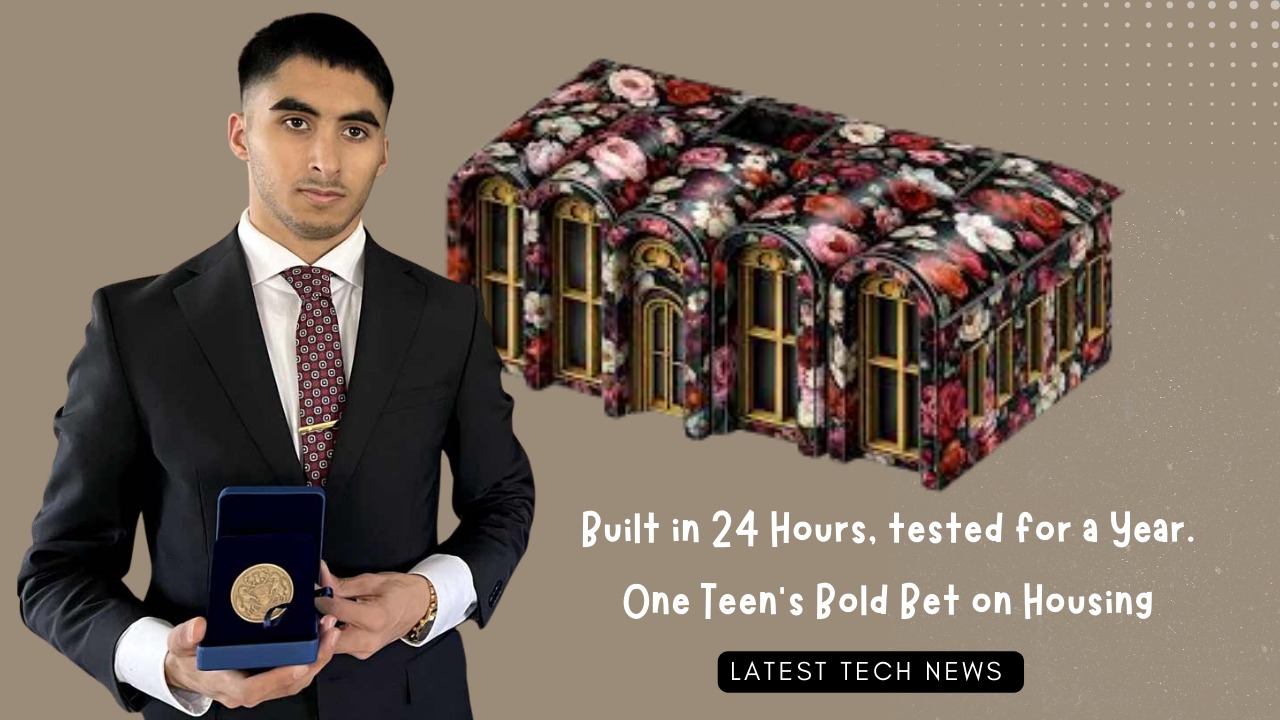
In a country where winter temperatures can plunge below −20°C and housing costs have surged beyond the reach of many young people, an 18-year-old engineering student is preparing to test a radical idea, by making it his permanent address.
In May 2026, Ribal Zebian, a first-year engineering student at Western University, will move into a modular housing unit he designed himself and live in it for a full year. Not as a publicity experiment. Not as a short-term sustainability challenge. But as his primary residence through all four Canadian seasons.
He believes faster, scalable, and dignified modular construction could become part of the solution to one of Canada’s most pressing social challenges: housing affordability and homelessness.
From Wooden Electric Car to Modular Housing
Zebian first gained national attention in 2025 when, at just 17 years old, he built an electric wooden, working model of a Mercedes G-Class SUV, which he subsequently donated to the London Children’s Museum.
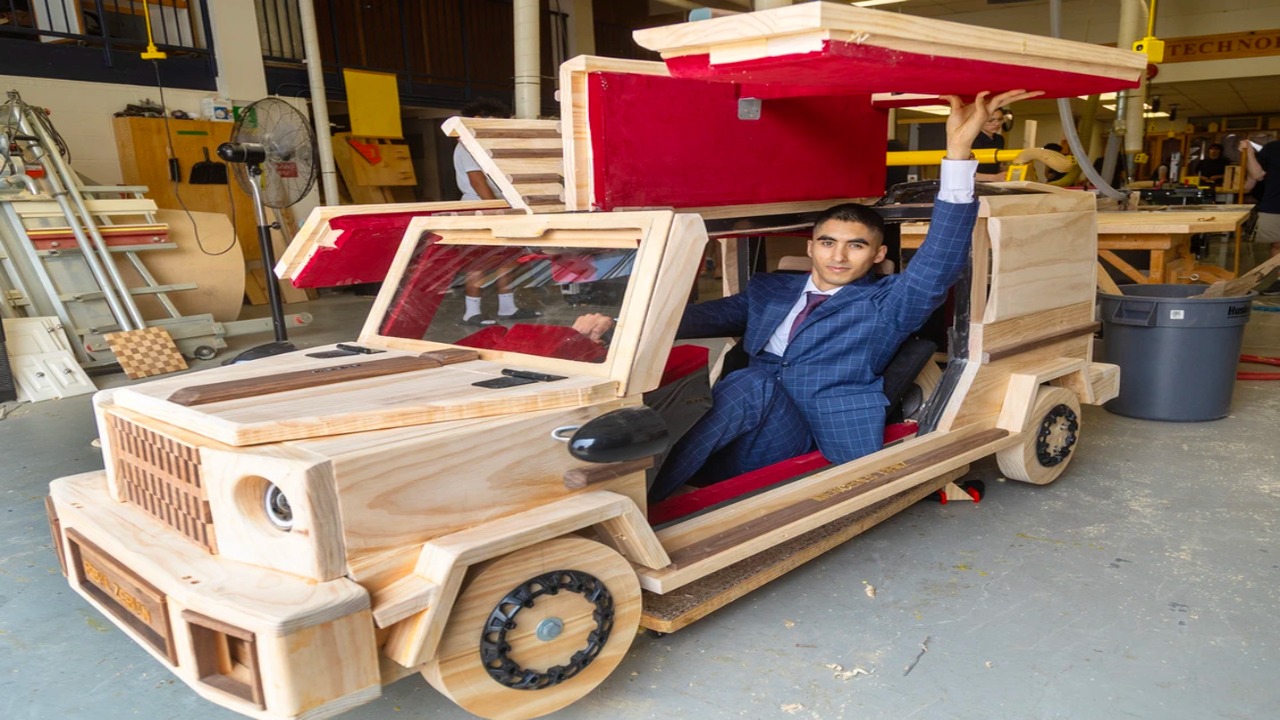
The project earned him a $120,000 scholarship and widespread media coverage across Ontario; including a governor’s medal.

More than a creative engineering stunt, the car demonstrated an early pattern: he does not stop at design sketches. He builds.
That project established two things about him.
First, he is willing to test unconventional materials in real-world conditions. Second, he is interested in practical sustainability, not theoretical design.
Now, his focus has shifted from transportation systems to shelter systems.
The Housing Crisis That Sparked the Idea
Zebian grew up in London, Ontario, a mid-sized Canadian city that has not been immune to the broader housing pressures affecting the country.
Across Canada, housing affordability has deteriorated sharply over the past decade. Home prices have risen faster than incomes in many regions, while rental vacancy rates have tightened.
In several Ontario municipalities, average rents have reached record highs, and emergency shelters report increasing demand.London itself has documented a rise in visible homelessness in recent years, mirroring trends seen in Toronto, Vancouver, and other urban centers.
The contrast is very very clear: vacant parcels of land exist alongside encampments and overburdened shelters.
For Zebian, the crisis was not abstract. It was visible. Rather than limiting his response to policy debates, he began asking a design question: What if homes could be built far faster, without sacrificing structural strength or architectural dignity?
Engineering a Faster Build
Latest Tech News
Decode Africa's Digital Transformation
From Startups to Fintech Hubs - We Cover It All.
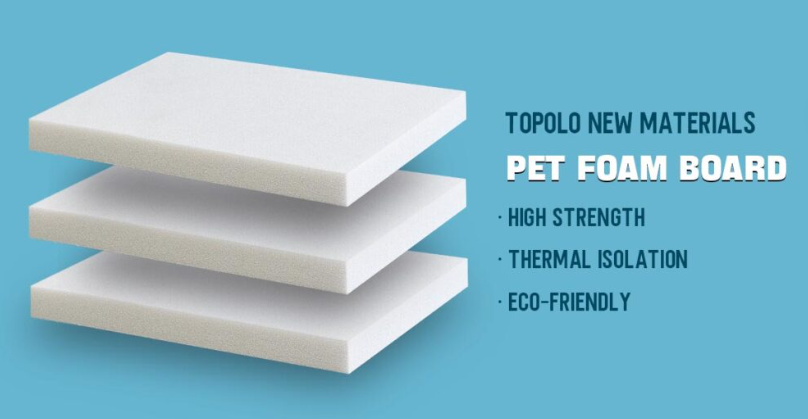
The modular housing prototype he has developed is built primarily from fiberglass panels and insulated PET (polyethylene terephthalate) foam cores.
Fiberglass offers several structural and manufacturing advantages:
It can be molded into complex shapes.
Once a mold is developed, identical units can be replicated efficiently.
It is resistant to moisture and corrosion.
It allows for lightweight but durable panel construction.
The use of PET foam as an insulated structural core replaces traditional wooden truss systems in parts of the design. PET foam is lightweight, offers thermal insulation, and can provide rigidity when sandwiched between composite layers.
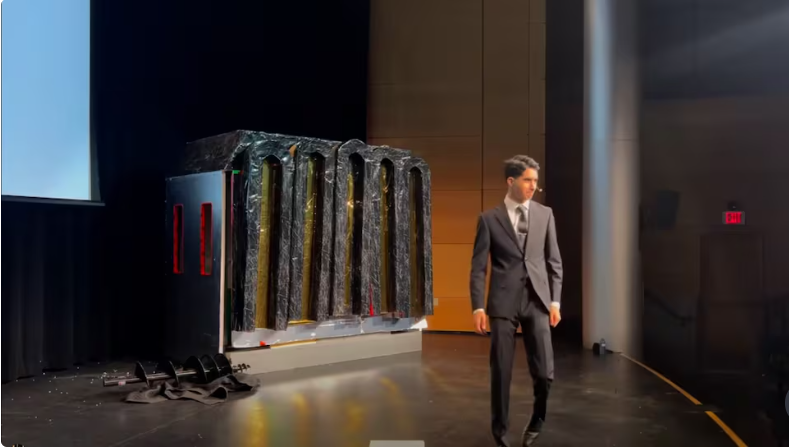
The engineering objective is ambitious: assemble a complete housing unit in a single day.
Speed matters in crisis response. Traditional home construction can take months and involves multiple subcontractors.
Modular construction, by contrast, allows components to be prefabricated and assembled rapidly on-site. If replicated at scale, such systems can significantly reduce labour time and exposure to weather delays.
However, Zebian has emphasized that efficiency must not produce uniform, uninspired structures. He has stated publicly that the homes should include architectural detail and customization options, an implicit critique of purely utilitarian emergency shelters.
In his view, dignity is part of durability.
Testing It the Hard Way: Living in It
Engineering models and simulations reveal performance data. Daily life reveals everything else.
Beginning in May 2026, Zebian plans to inhabit his prototype for twelve consecutive months. The test will expose the structure to:
Summer heat and humidity
Autumn rain and temperature swings
Winter snow loads and freezing conditions
Spring thaw cycles
Canadian winters are particularly unforgiving for new building materials. Insulation performance, condensation control, structural expansion and contraction, and energy efficiency all become visible under stress.
By living inside the structure — cooking, studying, sleeping, hosting visitors — Zebian intends to identify design flaws that might not appear during short-term testing.
Door seals, ventilation flow, storage layout, sound insulation, heating distribution, and long-term material wear all become measurable through habitation.
He has described this approach as optimization through immersion. Every inconvenience becomes data. Every adjustment becomes iteration.
At the end of the year, he plans to refine the design before presenting it to manufacturers and potential partners.
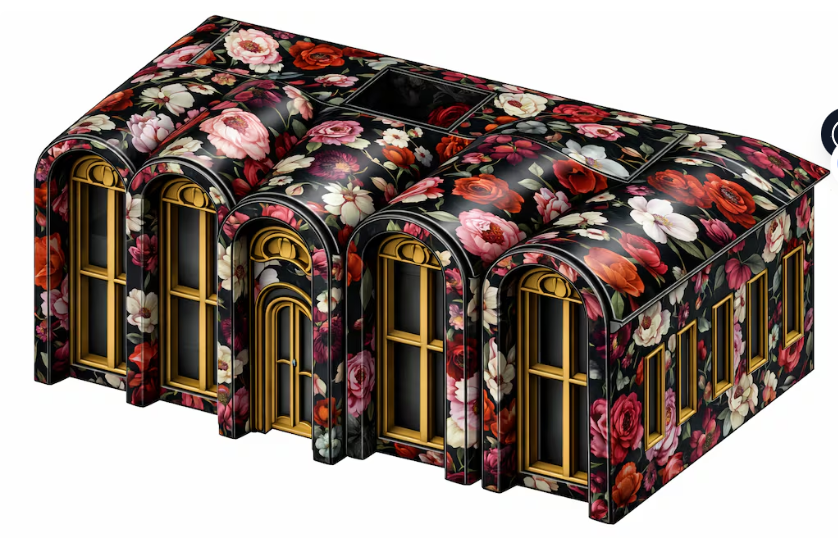
Modular Housing in a Broader Context
Zebian’s project fits within a growing global interest in modular and prefabricated housing. Governments and private developers across North America and Europe have explored factory-built housing as a way to:
Lower per-unit construction costs
Reduce build timelines
Minimize material waste
Improve quality control
However, scalability remains a challenge. Modular systems must meet building codes, zoning regulations, insulation standards, and fire safety requirements.
They must also integrate with existing infrastructure, including utilities and sewage systems.
Latest Tech News
Decode Africa's Digital Transformation
From Startups to Fintech Hubs - We Cover It All.
Zebian acknowledges that his prototype is not a comprehensive solution to homelessness. Structural inequality, zoning policy, land costs, and mental health services all intersect with housing insecurity. No single design can resolve these factors.
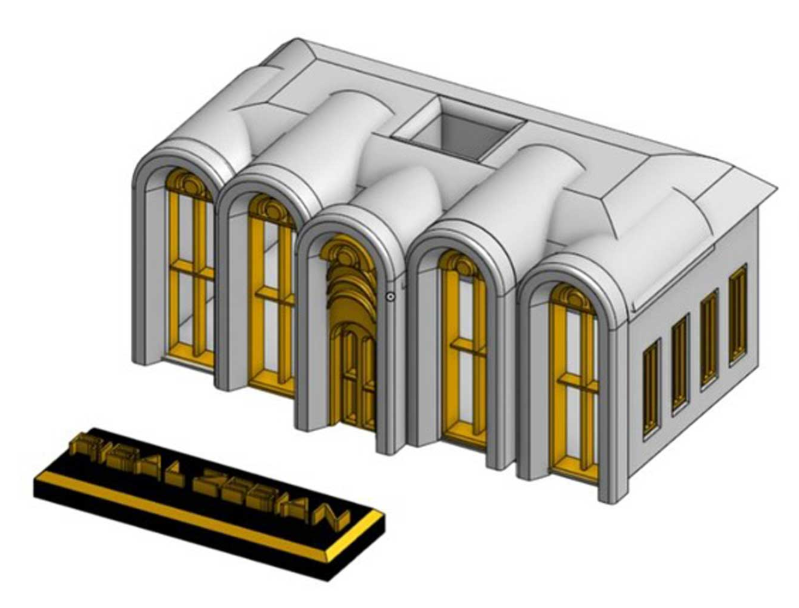
But affordable, rapidly deployable housing units could serve as transitional shelter or supplementary housing stock while long-term reforms unfold.
What Happens After the Year Ends?
If the structure withstands seasonal stress and daily use, Zebian plans to refine the prototype and pursue manufacturing pathways.
That could include partnerships with local builders, modular housing firms, or municipal pilot programs.
If weaknesses emerge, he will adjust the design accordingly.
Either outcome produces data. And in engineering, data is progress.
For now, the most significant element of the project is not fiberglass or foam insulation. It is commitment.
At 18, Ribal Zebian is about to turn a prototype into a lived reality. In a country searching for housing solutions, he has chosen to test one with his own address attached to it.