Have You Heard of The African Culture That Practiced Head Shaping?
An eye-opening article on African head-shaping traditions, examining their cultural meaning, historical context, and the evolving conversation around heritage and modern values.
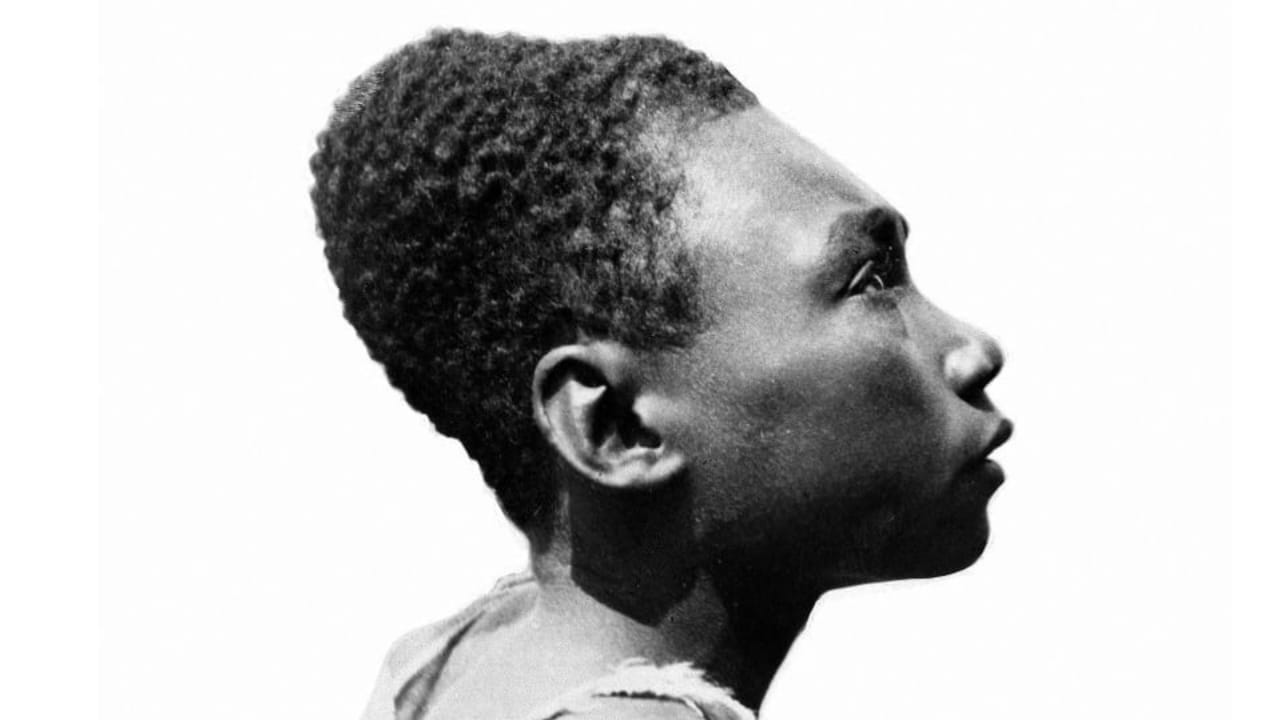
Culture has a way of surprising us, sometimes it comforts, sometimes it confuses, and other times it makes you pause mid-scroll, tilt your head, and ask, “Wait… why?” One such cultural practice that often sparks curiosity and sometimes controversy, is head shaping, a tradition that once existed in some parts of Africa.
Before you jump to conclusions or reach for judgment, it is important to remember this: culture is not created in a vacuum. Every tradition, no matter how strange it may appear today, was born out of meaning, belief, and the realities of a particular time and in thai case Head shaping was no exception.
The Human Head A Cultural Canvas?
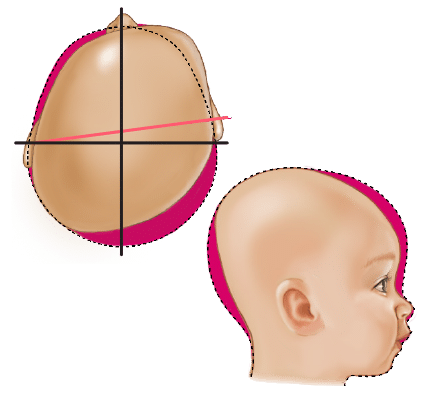
Head shaping, also known as cranial modification, involved gently molding the skull of an infant during early development to achieve a desired shape. This is done because a baby’s skull is soft and malleable in its early stages, allowing it to adapt to pressure over time.
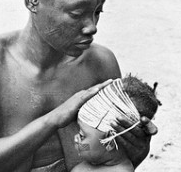
In these African communities, this practice symbolized beauty, nobility, identity, or social status. A shaped head is not seen as abnormal or cruel; it is admired. It marks belonging and a sense of identification. It communicated that the child came from a family that respected tradition and upheld communal values.
Much like scarification, tribal marks, or body adornment, head shaping functioned as a visual language. It told a story without words, to outsiders, it may look unusual, but within the community, it is a completely normal act—sometimes even prestigious.
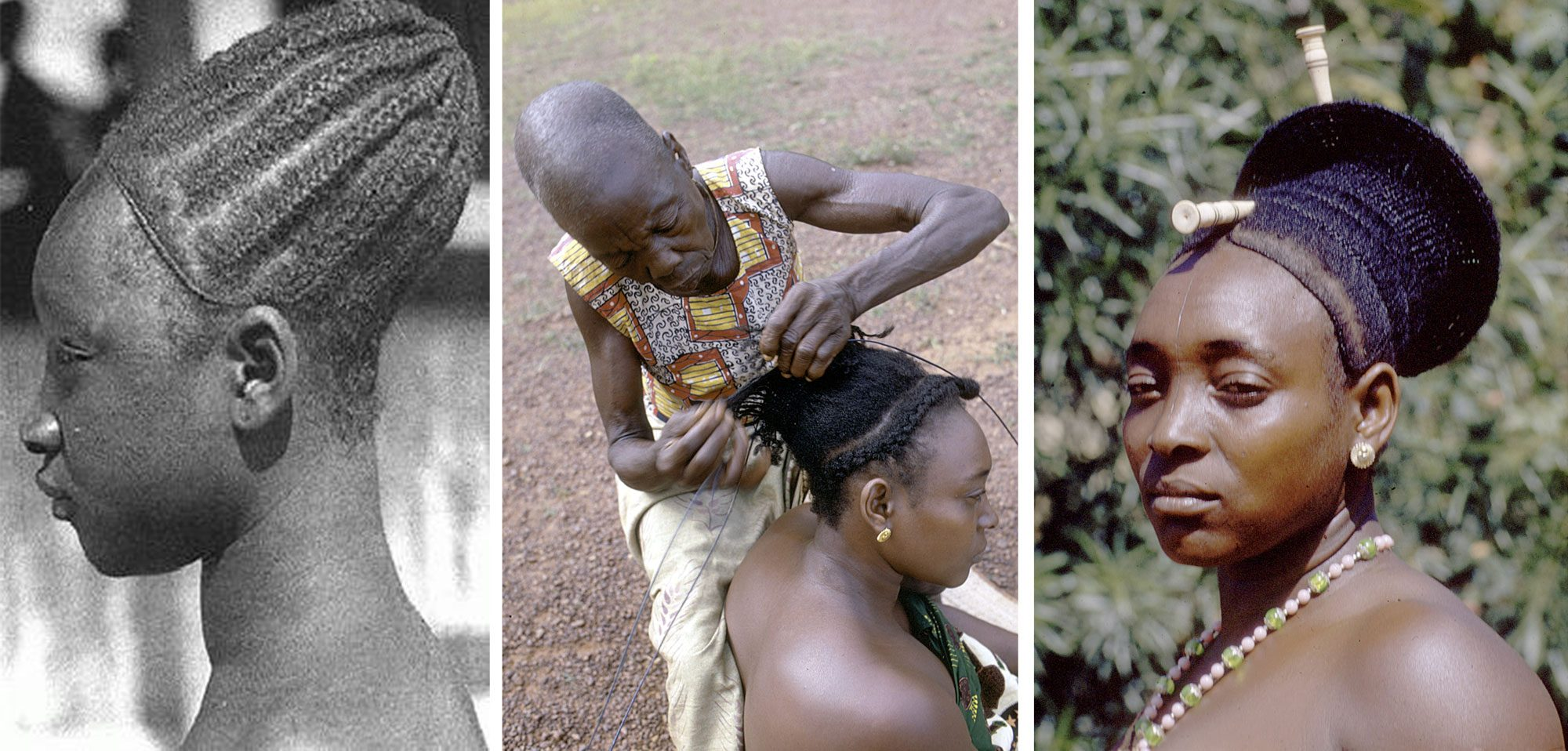
This practice was particularly peculiar to the Mangbetu people, a Central Sudanic ethnic group from the Democratic Republic of the Congo, living in the northeastern province of Haut-Uele. The practice was called Lipombo, which began dying out in the 1950s with the influence of westernization and because of this distinctive look, it is easy to recognize Mangbetu figures in African art.
And no, this wasn’t unique to Africa. Variations of the same practice existed among the ancient Maya, Inca, and even some European tribes. The difference is that African traditions often attract harsher scrutiny, especially when viewed through a modern or colonial lens.
Between Heritage and Modern Sensibilities
Culture
Read Between the Lines of African Society
Your Gateway to Africa's Untold Cultural Narratives.
Here is where the conversation becomes more layered, what once symbolized pride and identity can, in today’s world, raise ethical and emotional questions. Modern medicine emphasizes child autonomy, health, and long-term wellbeing, which naturally challenges traditions that alter the body before consent is possible.
This does not automatically mean the people who practiced head shaping were barbaric or uninformed. They acted within the knowledge systems available to them at the time. Many genuinely believed they were preparing their children for acceptance, admiration, and success within their society.
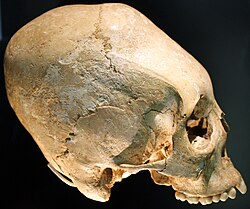
However, culture is not static. It evolves or at least, it should. Practices that once made sense can lose relevance as societies grow, interact, and gain new understanding. The discomfort many people feel today when seeing images of head shaping is not necessarily wrong; it reflects how far global values have shifted.

Still, there is a difference between critical reflection and outright mockery, laughing or ridiculing at cultural practices without context strips people of their humanity and reduces complex histories to viral shock content. Understanding does not require agreement, but it does demand empathy.
Interestingly, the debate around head shaping mirrors modern practices more than we care to admit. From cosmetic surgery to extreme beauty standards such as bbl and others pushed by social media, also the desire to alter the body in pursuit of acceptance has not disappeared, it has simply changed form and packaging.
So perhaps the real question is not “Why did they do this?” but “What are we doing today that future generations will question?”
Conclusion: Culture Should Be Examined, Not Erased
Head shaping is one of those cultural practices that forces us to confront an uncomfortable truth: tradition can be meaningful and problematic at the same time. Acknowledging this duality does not diminish culture or disregards it, it actually strengthens it.
Culture
Read Between the Lines of African Society
Your Gateway to Africa's Untold Cultural Narratives.
Africa’s history is rich, layered, and complex, not every tradition needs to survive unchanged, but every tradition deserves to be understood before it is dismissed. Progress does not come from erasure, it comes from reflection, dialogue, and thoughtful evolution.
If culture is truly the way of life of a people, then it must also have the flexibility to grow with them and sometimes, growth begins with asking difficult questions and questioning the ideology of any action, even when the answers make us uncomfortable.