Your Bolt Ride This Week Could Help a Vulnerable Child in Nigeria
Bolt’s “Rides That Care” campaign runs from May 27 to May 31, 2026, with the company donating from its own commission to SOS Children’s Villages Nigeria, at no extra cost to riders and no deductions from drivers. The initiative is showing what happens when social impact is embedded into everyday life.
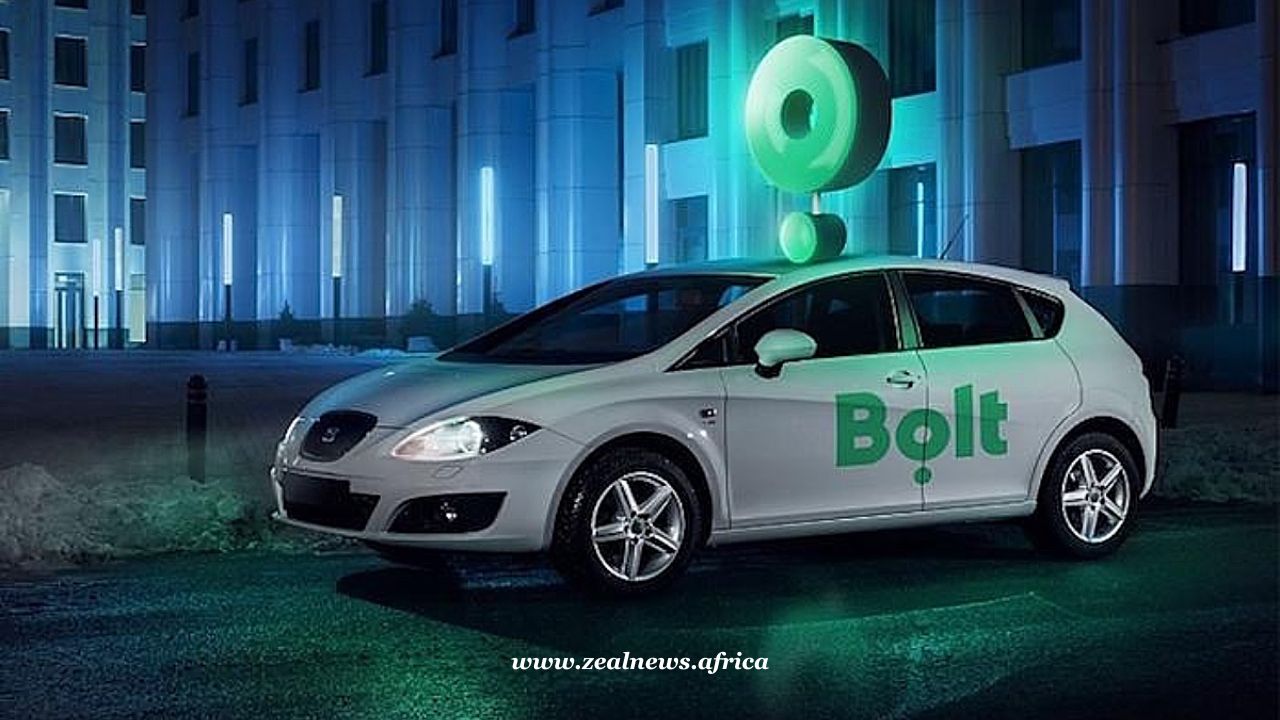
No extra cost. No separate donation. Just your regular commute fee doing something more.
Most people who open Bolt today are thinking about one thing: getting somewhere through the traffic with the shortest time possible and via the quickest route there is.
What they are probably not thinking about is that the ride they are about to book is also, quietly, contributing to the welfare of a child who has never met them and never will.
That is the idea behind Bolt's Rides That Care campaign, running from May 27 to May 31, 2026, in partnership with SOS Children's Villages Nigeria.
Every eligible completed ride on the platform during this five-day window generates a donation to SOS Children's Villages Nigeria, pulled from Bolt's own commission, not from rider fares or driver earnings.
The passenger books a ride, the ride happens and a child somewhere receives support with nobody having to do anything extra that their usual routine.
There is something worth sitting with because the most sustainable acts of giving are not the ones that require a dramatic decision, they are the ones embedded in things people are already doing.
The Mechanics of a Campaign That Does Not Ask Much
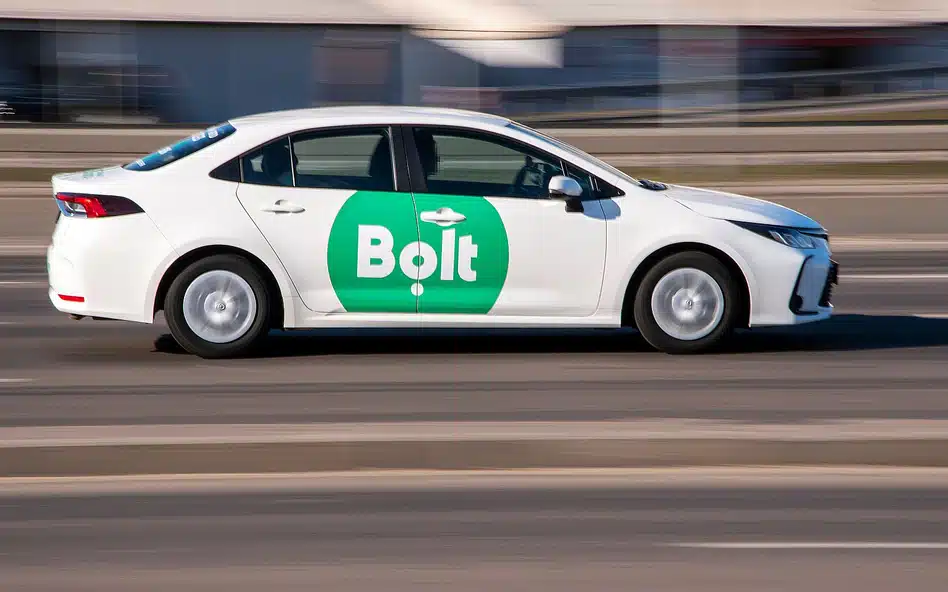
Bolt has built the Rides That Care initiative around a simple principle: remove the friction. Riders do not pay extra and fares remain exactly what they were before May 27.
Drivers are not penalised either, their earnings are untouched because the donation comes entirely from Bolt's own margin on each ride.
There is no special promo code, no charity checkout screen and no guilt trip campaign asking for donations. The contribution happens in the background, invisibly, across every eligible ride completed during the campaign period.
The beneficiary — SOS Children's Villages Nigeria — works specifically with children who have lost parental care or are at risk of losing it. Its focus areas are child care, family strengthening, and community support.
These are not emergency programmes, they are structural ones, designed to create stable conditions for children over time rather than respond to crisis after crisis. The funding from a campaign like this feeds into that longer arc.
The timing around Children's day is not incidental, observed every May 27, it is supposed to be a moment of collective reflection on how children in the country are faring.
Bolt's decision to run the campaign across that week attaches practical consequence to what usually remains a symbolic occasion.
You Are Already Part of It
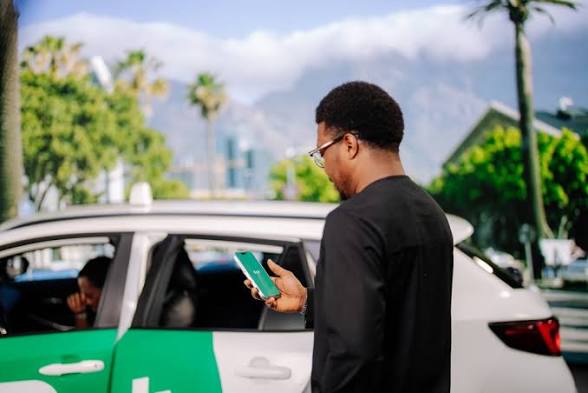
Here is what is easy to miss: the person booking a ride from Yaba to the Island in Lagos on a Wednesday morning is not a donor. They are not philanthropists, neither did they wake up and just decided to give to charity. They woke up and needed to get to work, go to an event or even visit a friend.
But by the time they arrive, through the Rides That Care campaign, they have participated in something that helps a child they will never know and might probably know of, if they come across the news.
That is the understated power of embedding social impact into ordinary behaviour. Most people want to do something good.
The gap between wanting and doing is usually effort, the form to fill out, the account to set up, the decision to make in a moment when life is already full of decisions.
Campaigns like Rides That Care close that gap entirely. The ordinary act becomes a charitable act and a normal daily commute of an average Nigerian becomes a contribution.

There is a version of this that every platform, every service, every business with a transaction volume could build.
A food delivery platform could round up order totals by fifty naira per delivery, donated to school feeding initiatives. A streaming service could allocate a fraction of monthly subscriptions toward digital access programmes for underserved communities.
A supermarket chain could attach a small contribution per basket to nutrition support for children in low-income households. A bank could dedicate a percentage of transaction fees on Children's Day to youth financial literacy programmes.
The infrastructure for all of this already exists in each of those businesses. What is missing is the decision to use it.
What This Should Prompt
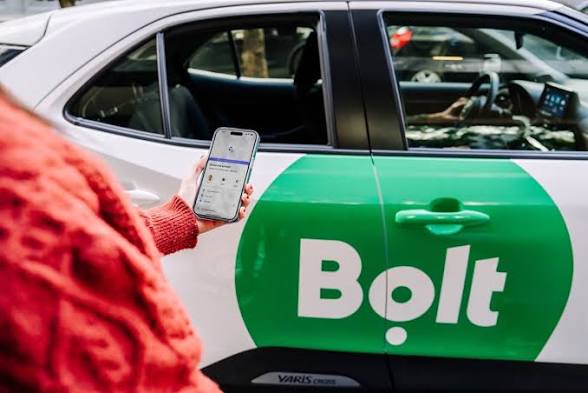
Bolt is a ride-hailing company. Its core product is movement. The Rides That Care campaign does not change that, it simply asks what else the movement can do when it is happening at scale across a country.
That question is worth every institution in Nigeria asking about its own operation this Children's Day, and beyond it.
Because the average Nigerian going about their day this week is not going to change the structural conditions that leave hundreds of thousands of children vulnerable.
But they can, without changing a single thing about how they move, be part of a system that does something about it.
That is not a small thing to offer. It is, in fact, the only kind of collective impact that scales.